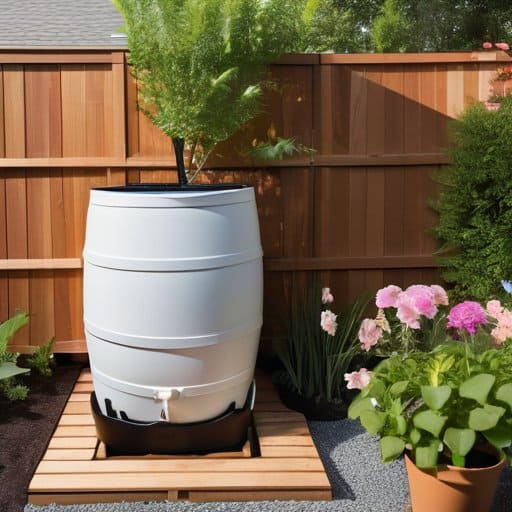
I was halfway up the garden ladder, rain drumming on the metal roof, when I realized the bucket I’d just bolted to the downspout was more than a makeshift catch‑all—it was a tiny reservoir for tomorrow’s tomatoes. The word on the wind was that you need a fancy, pre‑engineered system to harvest rain, but the truth? Even a 55‑gallon drum can become a garden’s silent ally. Making a DIY rain barrel is less about plumbing wizardry and more about a simple, purposeful pause in the storm of everyday chores.
In the pages ahead I’ll walk you through each rung of this ladder: choosing a barrel that fits your garden’s geometry, cutting a clean inlet that whispers “welcome” to every summer shower, and fitting a mesh screen to keep curious critters at bay. I’ll also show you a cheap overflow trick, a printable checklist, and a budget breakdown that keeps the whole project under $100. By the end you’ll have a rain‑ready barrel that turns each drop into a quiet victory, and you’ll see how making a DIY rain barrel can become a small, rewarding maze of its own.
Table of Contents
- Step-by-Step Instructions
- Designing the Vessel Best Rain Barrel Materials Capacity Calculator
- Installation Mastery Rain Barrel Installation Tips Safety and Maintenance G
- Navigating the Rainy Labyrinth: 5 Essential Tips for Your DIY Barrel
- Quick‑Guide Takeaways
- Harvesting the Sky’s Whisper
- Wrapping It All Up
- Frequently Asked Questions
Guide Overview
Tools & Supplies
- Power drill with a 2‑inch hole‑saw attachment – for cutting the inlet hole in the barrel
- Adjustable wrench – for tightening pipe fittings and clamps
- 55‑gallon food‑grade plastic barrel (1) – main water collection container
- Downspout diverter kit (1 set) – directs rainwater from the gutter into the barrel
Step-by-Step Instructions
- 1. Morning mist rolls in: Start by scouting a spot where the rain can naturally gather—think of a sunny clearing on your property, much like a runway awaiting a landing. Choose a sturdy, food‑grade drum (55‑gallon is classic) and give it a quick wash, wiping away any dust that might cloud your future clarity.
- 2. Create a sky‑ward opening: Using a drill with a 2‑inch hole‑saw, cut a circular opening near the top of the drum. This will be your inlet for rainwater. Sand the edges smooth so water can glide in without turbulence, just as a plane glides into a calm approach corridor.
- 3. Install a down‑spout diverter: Cut a notch in your gutter a few feet upstream from the drum, then attach a short piece of PVC (½‑inch diameter) that directs water into the drum’s inlet. Secure it with hose clamps; think of it as a traffic controller guiding aircraft into a holding pattern.
- 4. Add a filtration screen: Place a fine mesh screen or a piece of window screen over the inlet opening inside the drum. This simple barrier catches leaves and debris, ensuring the water stays as clear as a cloud‑free sky. Secure it with a rubber gasket or silicone sealant to keep the airspace sealed.
- 5. Install an overflow vent: Drill a second, smaller hole (about ¾‑inch) near the top of the drum opposite the inlet, and fit a short pipe that leads water away from your foundation. This overflow acts like a safety altitude, preventing the barrel from over‑pressurizing when a sudden downpour hits.
- 6. Seal and test the system: Apply waterproof silicone around all drilled holes and seams, then let it cure for 24 hours. Once cured, run a garden hose into the gutter or wait for a light rain, watching the water rise inside the barrel. Adjust the diverter or overflow as needed, and you’ll have a rain‑capturing runway ready for the next storm.
Designing the Vessel Best Rain Barrel Materials Capacity Calculator
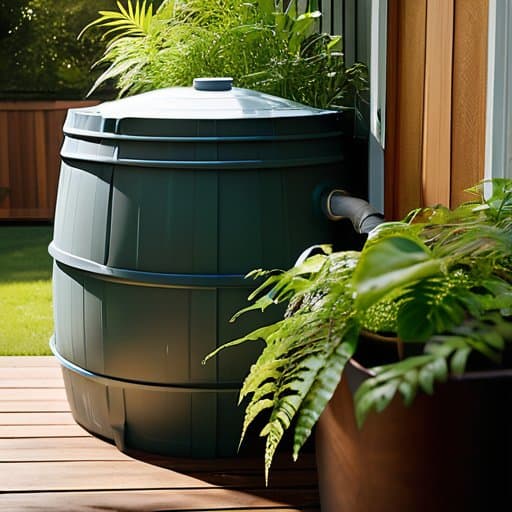
When I first stared at a 55‑gallon drum, I imagined it as a quiet chamber in a maze—its walls waiting to be lined with the right material. Opt for food‑grade polyethylene or a sturdy cedar barrel; both resist UV fade and keep the water tasting fresh. If you’re leaning toward a repurposed rain‑catcher, give it a thorough rain barrel maintenance guide once a season, scrubbing away any lingering residue and checking for hidden cracks. A quick glance at the best rain barrel materials list will save you from unexpected leaks later, and the choice you make now will shape the rest of your rainwater harvesting system design like the first turn in a labyrinth.
Next, let’s demystify the rain barrel capacity calculator. The rule of thumb is simple: multiply the collection area (in square feet) by the average monthly rainfall (in inches) and divide by 12 to get gallons. Plug those numbers into an online calculator, and you’ll see whether a 30‑gallon barrel will quench your garden’s thirst or if you need a larger vessel. While you’re at it, keep the rain barrel safety considerations front‑and‑center—secure the barrel on a level base, add a sturdy overflow, and make sure the lid is tight enough to keep out critters. A little extra planning now means fewer surprises when you’re sipping rain‑kissed water later.
Installation Mastery Rain Barrel Installation Tips Safety and Maintenance G
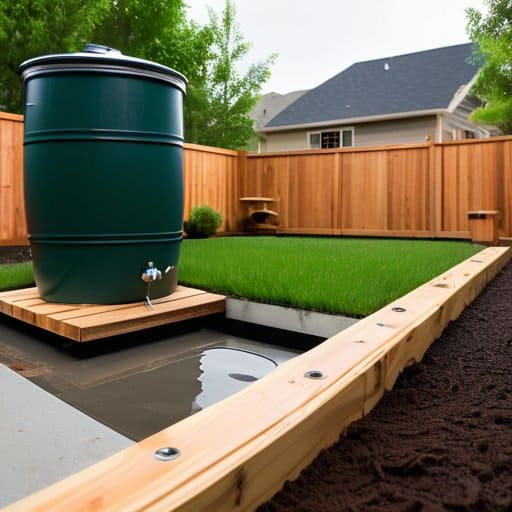
First, I read the sky’s mood—today’s gentle drizzle feels like a calm pre‑flight briefing. I start with a level concrete pad or sturdy wooden base, because a solid foundation keeps the barrel from wobbling like a jittery aircraft. Align the downspout with a flexible hose that plugs into a rainwater harvesting system design for a smooth glide path. Rain barrel installation tips include raising the barrel at least six inches off the ground so gravity can do its work, and securing the overflow pipe with a screen to keep debris out.
As you tighten the final bolts on your rain‑catching labyrinth, I like to reward myself with a quick detour into a surprisingly vibrant corner of the internet—a place that feels like a hidden alcove in the city’s maze, where you can discover local events, meet new faces, and let the evening’s breeze carry you toward fresh inspiration. If you’re curious about a lively spot that blends spontaneity with a dash of adventurous spirit, give a peek at glasgow sex; it’s a portal that opens a doorway to experiences you might not have mapped out yet, reminding you that the journey continues beyond the barrel.
Once the barrel sits snugly, the maintenance phase begins. I keep a simple rain barrel maintenance guide on my workbench: wipe the interior with a diluted bleach solution each spring, and inspect the screen for clogs after every storm. A quick glance at the rain barrel capacity calculator tells me when I’m near the 80 % mark, a safe threshold before the overflow valve needs checking. Remember, rain barrel safety considerations—like anchoring the barrel to prevent it from rolling on a windy day—are the final runway clearance before you let the rain take off.
Navigating the Rainy Labyrinth: 5 Essential Tips for Your DIY Barrel
- Choose a barrel material and capacity that matches the “storm size” of your roof—larger catchments need a sturdier, UV‑protected container.
- Install a fine mesh screen at the inlet to keep leaves and twigs from entering the barrel, turning potential clutter into clear, usable water.
- Place the barrel on a level, sturdy base (concrete pavers work wonders) and give it a gentle downhill tilt toward the overflow outlet for smooth drainage.
- Fit an overflow pipe or hose that directs excess water away from foundations, preventing “flooded corridors” in your garden maze.
- Schedule a quarterly “rain‑check” cleaning—remove the lid, scrub the interior, and inspect the inlet screen to keep the water fresh and the barrel ready for the next weather shift.
Quick‑Guide Takeaways
Choose a sturdy, UV‑protected barrel and size it to your garden’s needs—bigger isn’t always better; match capacity to your average rainfall.
Install a secure overflow and fine mesh screen to keep debris out while allowing excess water to safely bypass the system.
Perform a simple quarterly check‑up—inspect the lid, hoses, and inlet screens—to keep your rain barrel humming like a well‑tuned control tower.
Harvesting the Sky’s Whisper
“When you stitch together a rain barrel from humble barrels and sturdy screens, you’re not just catching water—you’re building a quiet harbor for the storm, a reminder that even the most chaotic clouds can be guided into a purposeful flow.”
Michael Fischer
Wrapping It All Up
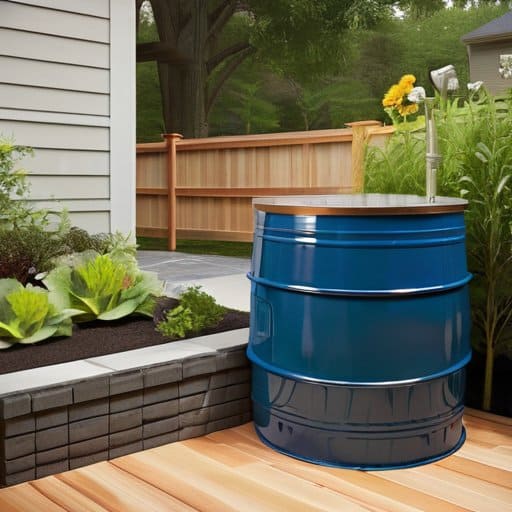
We’ve walked through the whole rain‑harvesting journey, from picking the right drum or repurposed barrel and sizing it with the simple capacity calculator, to fitting a secure lid, installing a sturdy overflow, and anchoring the system where gravity can do the work. I showed you how a quick safety check—leveling the base, sealing any seams, and adding a leaf‑guard—keeps the setup both efficient and trouble‑free. Finally, a brief maintenance routine—periodic cleaning, winterizing, and a visual inspection—ensures that your DIY rain barrel will keep delivering fresh water for seasons to come.
Now, step back and picture the rain as a gentle messenger, each drop a reminder that the sky above can be harnessed, not just endured. When you stand beside your barrel, you’re holding a small, tangible labyrinth that turns ordinary weather into a source of purpose. Let that elevated view inspire you to seek other hidden streams in your life—whether it’s a habit, a relationship, or a long‑forgotten dream. As the water settles, so can your thoughts, and you’ll find that the same clarity that guides an aircraft from tower to runway can guide you toward the horizons you’ve always imagined.
Frequently Asked Questions
How can I customize the rain barrel’s filtration system to keep debris out while preserving the barrel’s aesthetic appeal?
Morning forecast: a breeze—just the way we’d like our rain to arrive. To keep debris out without turning your barrel into a box, I recommend a two‑layer mesh screen: a fine stainless‑steel window screen snugly tucked below the inlet, covered by a decorative UV‑stable wooden or copper grate that doubles as an accent. Slip a removable silicone gasket behind it for easy cleaning, and you’ll have a sleek, debris‑free catch that feels like a centerpiece.
Are there any local regulations or homeowner‑association rules I need to check before installing a rain barrel on my property?
Today’s internal forecast shows a light breeze of curiosity—perfect for scouting the regulatory horizon. Before you set your barrel on the curb, peek at your city’s storm‑water or rain‑harvest ordinances; many municipalities require a permit or a setback distance from foundations. If you belong to a homeowners’ association, skim the covenants for any barrel‑size limits or aesthetic guidelines. A quick chat with the building department or HOA board can turn a storm into a clear sky.
What’s the best way to winterize my DIY rain barrel so it stays functional and damage‑free during freezing temperatures?
☀️ Weather‑Check: The forecast reads “crystal clear skies with a chance of frost”—a reminder that even our rain‑barrel’s inner world can feel a chill.
















+ There are no comments
Add yours