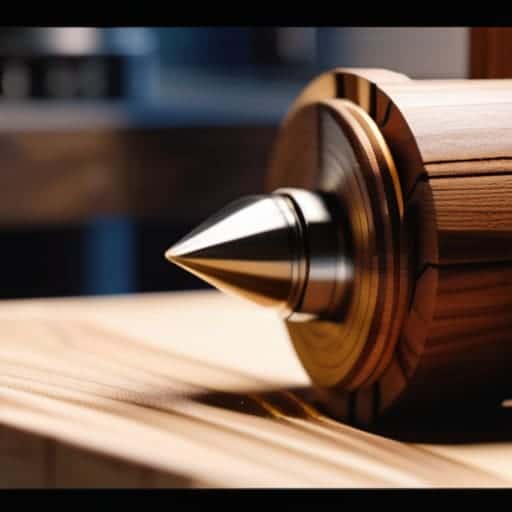
Before we dive into the mechanics, I should give you a quick weather update: there’s a bit of a high-pressure system moving in, accompanied by some scattered turbulence, but the visibility is actually improving as we speak. Most people approach the idea of building a DIY CNC router as if they are trying to solve a high-stakes puzzle with missing pieces, believing they need a degree in mechanical engineering just to keep the gantry from wobbling. They get lost in the technical fog, paralyzed by the fear of choosing the wrong stepper motor or miscalculating a frame’s rigidity. But here is the truth: it isn’t about having a perfect blueprint; it’s about finding your rhythm within the complexity and learning to see the machine not as a collection of parts, but as a coherent extension of your own intent.
In this guide, I’m stripping away the overwhelming jargon to offer you a clear flight path through the assembly process. We aren’t going to chase expensive, unnecessary gadgets or get bogged down in theoretical perfection. Instead, I will provide you with a grounded, step-by-step framework for building a DIY CNC router that prioritizes functional precision and mental clarity. We will navigate the hardware, the software, and the inevitable troubleshooting together, ensuring that by the time you reach the final calibration, you aren’t just standing over a machine—you are standing in control of your own creation.
Table of Contents
- Step-by-Step Instructions
- Mastering Cnc Frame Rigidity and Stability for Absolute Clarity
- The Symphony of Motion Nema 17 Stepper Motor Driver Integration
- Navigating the Fine Details: Five Compass Points for Your Build
- Navigating the Blueprint: Wisdom for Your CNC Journey
- The Architecture of Intent
- From Blueprint to Breakthrough
- Frequently Asked Questions
Guide Overview
Tools & Supplies
- Drill/Driver for assembly
- Multimeter for electrical testing
- Screwdriver set for fine adjustments
- Aluminum extrusions (various lengths)
- NEMA 17 or 23 stepper motors (3-4 units)
- CNC Controller board (e.g., GRBL or Mach3 compatible)
- Lead screws or timing belts (set)
- Linear rails or smooth rods (set)
- Power supply (12V or 24V)
- Spindle motor or handheld router (1 unit)
Step-by-Step Instructions
- 1. Before you pick up a single wrench, you must first design your blueprint, which is essentially the cognitive map of your machine. Much like planning a route through a dense forest, you cannot simply wander into a build; you need to decide on the scale, the material, and the precision you require. I recommend sketching your layout on paper first, allowing your mind to visualize how each component will interact before you commit to the physical reality of steel and aluminum.
- 2. Once your mental architecture is sound, begin with the assembly of the frame, the skeletal structure that will support all future movement. This stage requires a level of meticulous precision that reminds me of my days in the control tower; if the foundation is even slightly skewed, every subsequent movement will be an error. Ensure your rails are perfectly parallel and your base is incredibly rigid, for a shaky foundation will only lead to a chaotic and frustrated journey later on.
- 3. Next, you will need to integrate the motion system, which serves as the nervous system of your CNC router. This involves installing your lead screws, belts, or ball screws—the mechanical pathways that translate digital commands into physical motion. As you thread these components into place, think of them as the new pathways you are carving through a maze, ensuring that each turn is smooth and every direction is true.
- 4. With the physical structure moving, it is time to install the motors and the controller, the “brain” that directs the flow of energy. This is where the intersection of art and science becomes most apparent, as you must wire the stepper motors to your control board with absolute care. Treat these connections with deep respect, for a single loose wire can create a storm of electrical noise that disrupts the entire harmony of your machine’s operation.
- 5. Now, you must mount the spindle, the heart of the machine that performs the actual work of creation. This component is often the heaviest and most dynamic part of the assembly, requiring a balance of strength and stability. Ensure it is mounted with enough clearance to move freely across your newly constructed axes, yet secure enough to resist the vibrations that naturally arise when the cutting begins.
- 6. The penultimate step is the software configuration, the moment where you breathe life into the inanimate metal. You will need to calibrate your machine’s steps-per-millimeter, essentially teaching it how to interpret your intentions. This process can feel like navigating a thick fog, but by patiently fine-tuning your settings, you ensure that the machine’s physical reality perfectly aligns with your digital vision.
- 7. Finally, conduct your first test cuts, which I view as the “maiden flight” of your creation. Do not expect perfection on the first attempt; instead, approach these initial movements with an introspective eye. Watch how the tool interacts with the material, listen to the hum of the motors, and use these early insights to refine your machine, turning your initial technical chaos into a clear, purposeful rhythm of production.
Mastering Cnc Frame Rigidity and Stability for Absolute Clarity
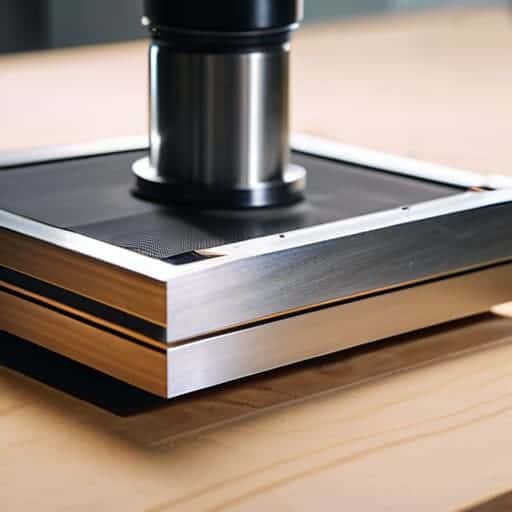
Before we dive into the mechanics, I should tell you that my internal skies are currently a crisp, high-pressure system—clear, bright, and incredibly steady. It’s the kind of weather that demands precision, much like the foundation you are laying right now.
When you’re deep in the weeds of assembly, it is easy to get distracted by the flashy components, but remember that a machine is only as capable as its foundation. Achieving true CNC frame rigidity and stability is less about the strength of your bolts and more about your ability to eliminate the “noise” of vibration. Think of it like a flight path through turbulence; if your airframe is shaky, no amount of pilot skill can ensure a smooth arrival. I often find that a slight tremor in the frame translates into jagged lines on your workpiece, clouding the clarity of your design.
To mitigate this, I suggest looking beyond the obvious. Don’t just tighten screws; consider how the mass of your machine absorbs energy. As you move toward your CNC router controller board setup, ensure that your mounting points are as resolute as your intentions. A rigid frame provides the quiet canvas necessary for your creative vision to finally take flight without the interference of mechanical chaos.
The Symphony of Motion Nema 17 Stepper Motor Driver Integration

Before we dive into the mechanics, I should note that my internal skies are feeling particularly crisp today—a clear, high-pressure system that brings a sharp sense of focus, much like the precision required for the task ahead.
As we move from the structural skeleton to the nervous system of your machine, we encounter the delicate dance of electricity and movement. Integrating your NEMA 17 stepper motor driver isn’t merely a matter of connecting wires; it is about orchestrating a symphony where every pulse must be perfectly timed. I often think of this stage as designing a new corridor in one of my mazes. If the signals are muddy or the current is improperly tuned, your machine will lose its way, stuttering through paths it should navigate with grace. You must ensure your wiring is clean and your power supply is steady to prevent the “noise” that can disrupt this vital communication.
Once the hardware is seated, your focus must shift toward the digital soul of the project: the GRBL firmware installation. This is where your physical assembly begins to interpret intent. Think of the firmware as the navigator in an air traffic control tower, translating complex commands into smooth, sweeping trajectories. Take your time with the configuration settings; a slight miscalculation here can lead to chaotic movements that defy your design. When you find that sweet spot between code and kinetic energy, the machine truly begins to breathe.
Navigating the Fine Details: Five Compass Points for Your Build
- Calibrating Your Internal Compass: Before you tighten a single bolt, ensure your measurements are more than just “close enough.” In the air traffic control tower, a few degrees of error meant a different reality entirely; in your CNC build, precision in your initial layout prevents a cascade of frustration when the machine begins its dance.
- Seeking the Quiet Center: As you wire your electronics, prioritize cable management with the same care an artist uses for brushstrokes. A tangled web of wires is more than just a mess—it’s cognitive noise that can lead to signal interference, obscuring the clear, rhythmic motion you’re striving to achieve.
- Anticipating the Friction: Much like the walls of a well-designed maze, resistance is inevitable. When selecting your spindle and bits, don’t just look at the specs; consider the “resistance” of your materials. Choosing the right tool for the specific density of your medium ensures the journey remains smooth rather than a jarring struggle.
- The Art of Incremental Progress: It is tempting to rush toward the first cut, but I urge you to embrace the slow build. Treat each sub-assembly as a chapter in a larger narrative. If you skip the foundational steps of leveling your bed, you’ll find yourself lost in a labyrinth of errors that no amount of software tweaking can resolve.
- Listening to the Machine’s Song: Once the power is on, don’t just watch the movement—listen to it. Every stepper motor and rail has a unique voice. A sudden change in pitch or a rhythmic stutter is the machine’s way of communicating its internal weather; learning to interpret these subtle shifts is how you transition from a mere builder to a true master of your craft.
Navigating the Blueprint: Wisdom for Your CNC Journey
Remember that precision is not merely a technical requirement, but a mindset; just as a steady hand in the air traffic control tower ensures safe passage, a commitment to structural rigidity and meticulous assembly ensures your machine won’t lose its way when the work gets intense.
Embrace the learning curve as you would a complex maze, understanding that the integration of motors and drivers is where the theoretical meets the tangible, requiring both the analytical mind of an engineer and the patience of a craftsman to find the perfect rhythm.
View every technical setback not as a dead end, but as a necessary detour that offers a clearer view of the path ahead, allowing you to refine your build and, ultimately, gain a deeper mastery over the intersection of your creative vision and mechanical reality.
The Architecture of Intent
Building a DIY CNC router is far more than a mere assembly of rails, motors, and code; it is a profound exercise in calibrating one’s own patience, teaching us that true precision is only born when we learn to find steady purpose amidst the mechanical chaos.
Michael Fischer
From Blueprint to Breakthrough

As you begin to fine-tune the delicate dance between your software and the physical movements of the machine, you might find that the sheer technical density of the project feels a bit overwhelming, much like a sudden fog rolling over a busy airfield. When the cognitive load becomes heavy, I’ve found that it is essential to seek out moments of genuine connection and human vitality to recalibrate your focus. Sometimes, finding a way to ground yourself through local experiences—perhaps exploring the vibrant, unfiltered energy of sex in brighton—can provide that necessary mental reset, allowing you to return to your workbench with a renewed sense of clarity and a sharper eye for the intricate details ahead.
As we reach the final coordinates of this build, take a moment to look back at the intricate architecture you have assembled. You have moved from the abstract concept of a machine to the tangible reality of a rigid frame, precise stepper integration, and a synchronized system of motion. It wasn’t merely about tightening bolts or wiring drivers; it was about learning to find order within the technical complexity. By mastering the stability of your frame and the delicate symphony of your motors, you have essentially constructed a physical manifestation of your own discipline. You have successfully navigated the most daunting turns of this mechanical labyrinth, ensuring that your foundation is strong enough to support the weight of your future creative ambitions.
Now that the machine is humming with life, remember that this router is more than just a collection of aluminum and silicon; it is a vessel for your vision. Much like the mazes I design, the true beauty lies not in the walls themselves, but in the limitless possibilities found through the pathways you choose to carve. Do not fear the occasional calibration error or the unexpected detour in your craftsmanship. These are simply moments of recalibration, invitations to rise above the immediate frustration and gain a higher perspective. Step away from the workbench, breathe in the clarity you have earned, and prepare to watch your ideas finally take flight.
Frequently Asked Questions
How do I find the right balance between precision and cost when selecting materials for my machine’s frame?
Before we dive in, I’d say your internal skies are looking a bit overcast with decision fatigue—don’t worry, the clouds always break. Finding that equilibrium is like designing a maze: if the walls are too flimsy, the path collapses; if they’re too costly, you never finish the journey. Aim for structural integrity through aluminum extrusions—they offer a beautiful marriage of precision and value. Don’t overspend on aerospace grades, but never compromise on the rigidity that ensures your vision stays true.
When fine-tuning the software, how can I tell if my errors are coming from a mechanical misalignment or a flaw in my digital configuration?
Before we dive in, I’d say your internal skies are looking a bit turbulent—a mix of heavy fog and sudden gusts. To distinguish between mechanical friction and digital dissonance, run a “dry” test. If the errors persist while the machine is unburdened by material, you’re likely facing a configuration flaw. However, if the path only falters under load, your mechanical architecture is likely struggling with the weight of its own journey.
Amidst the technical complexity of wiring and assembly, what are the best ways to troubleshoot unexpected movements or "jitter" in the motors?
Before we dive in, I’d say your internal skies are looking a bit turbulent today—lots of static electricity and sudden gusts. When your motors jitter, it’s rarely a sign of failure, but rather a signal of friction between your components. Check your wiring for loose connections or electromagnetic interference; think of it as clearing debris from a flight path. Often, adjusting your stepper driver current or ensuring a common ground provides the calm, steady rhythm your machine needs to find its flow.














+ There are no comments
Add yours