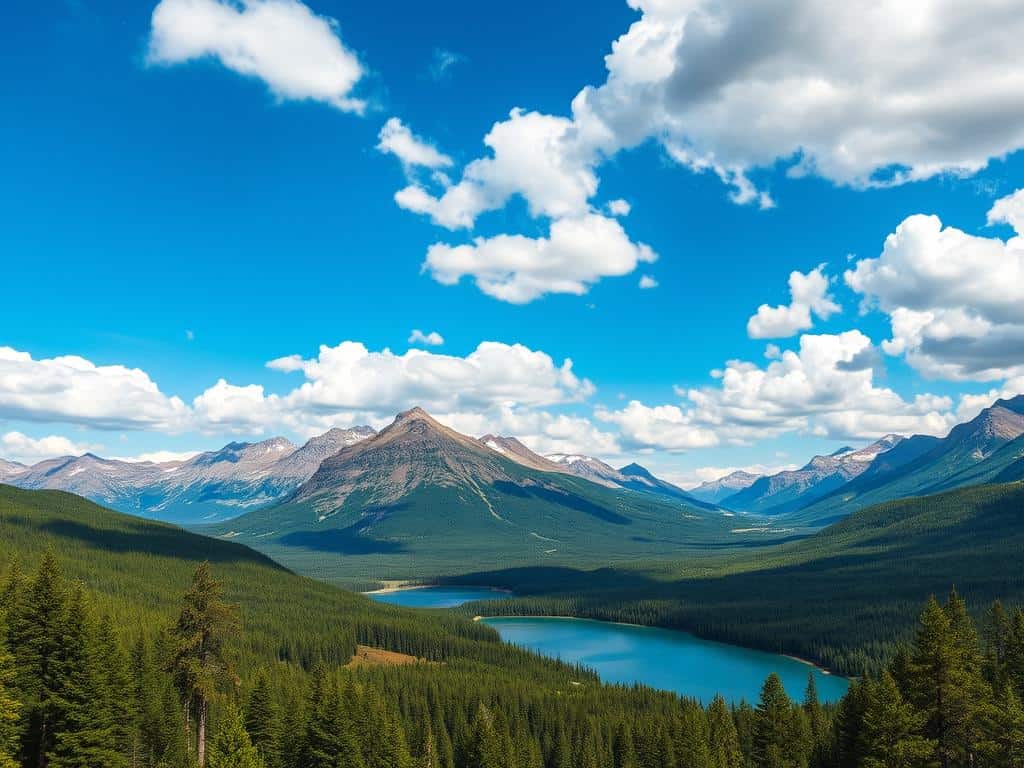
Did you know that more than 300 million people visit the 63 national parks in the United States each year? This number shows how much people love these beautiful places. Yellowstone National Park, the first national park, was opened in 1872. It has amazed visitors with its stunning views and history.
The National Park Service was created in 1916 to keep these places safe. This way, future generations can also see their beauty.
Exploring these parks, I think about how they teach us about nature and wildlife. We must remember the Indigenous peoples who have lived here for thousands of years. Their stories are important and remind us to protect nature during our eco trips.
Visiting places like Yosemite, the Grand Canyon, or Great Smoky Mountains changes me. Each park offers something special for nature lovers. Let’s go on a journey to find the best national parks together.
Key Takeaways
- National Parks attract over 300 million visitors annually.
- Yellowstone was the first national park globally, established in 1872.
- Great Smoky Mountains National Park has over 19,000 documented species.
- Yosemite National Park offers more than 750 miles of hiking trails.
- Peak visiting times for popular parks require early planning.
Exploring the Diversity of National Parks
National Parks give us a peek into the rich history of conservation in the United States. Each park shows a deep commitment to preserving natural beauty and the stories behind it. Wallace Stegner once said national parks are the best of America. This idea is powerful as I see how these parks protect diverse ecosystems and teach us about Indigenous histories.
The Rich History of U.S. National Parks
The story of U.S. National Parks is about saving our natural world. The creation of the National Park Service was a key moment in protecting our landscapes. Today, these parks offer educational experiences that share stories from Indigenous peoples, connecting us to the land’s history. It’s believed that 80–90% of living things in national parks are unknown, showing the importance of conservation.
Unique Ecosystems Within National Parks
Exploring national parks reveals a world of biodiversity. From the rainforests of Olympic National Park to Joshua Tree’s deserts, each park has its own unique life. The National Park Service has found about 21,500 new species in parks over 16 years.
Parks like Glacier National Park have glaciers and lakes, home to mountain goats and bears. Congaree National Park’s old-growth forests are key for biodiversity. These parks offer stunning views and activities like hiking and wildlife photography, helping us appreciate nature more.
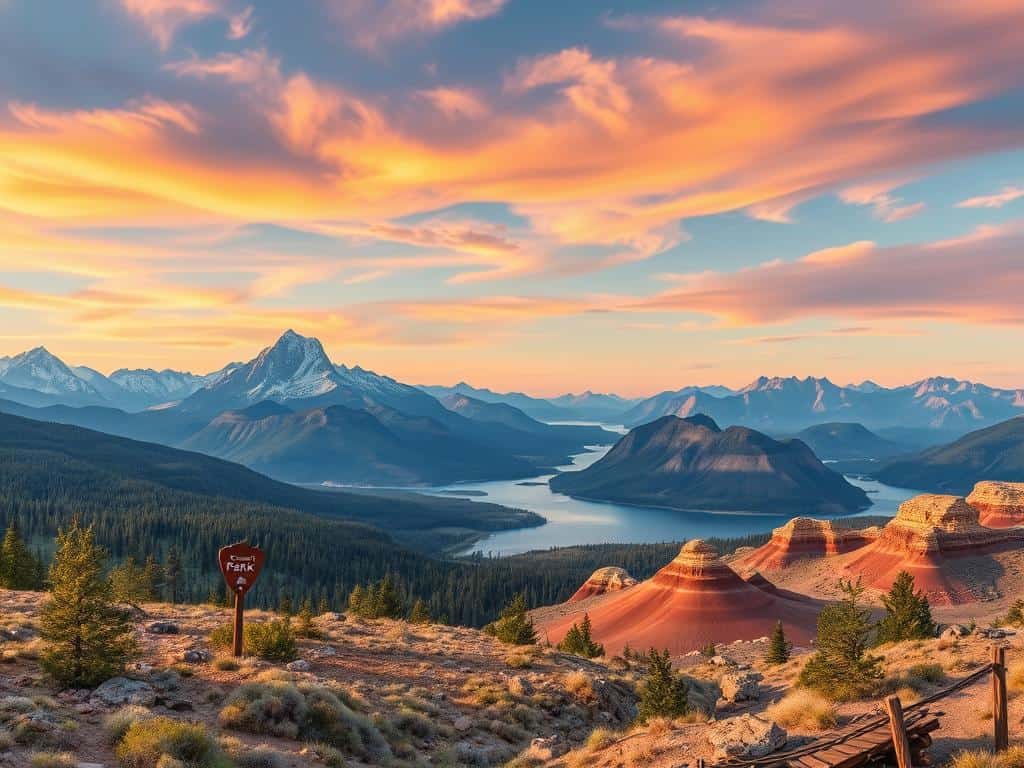
Top National Parks for Wildlife Enthuisiasts
National parks are great for seeing wildlife in the United States. They offer unforgettable moments with nature. Yellowstone, for example, draws millions with its stunning views and wildlife.
Here, you can see bison, elk, and bears. Each visit is a chance to discover new sights.
Key Wildlife Experiences
Theodore Roosevelt National Park is amazing for seeing American bison. It’s a success story for wildlife. You’ll also see deer, pronghorn, and wild horses.
The U.S. Virgin Islands National Park is great for underwater wildlife. Over 300 species of fish live in its clear waters. It’s also good for birdwatching.
Glacier Bay National Park is special for whale watching. You can see Humpback whales in summer. Rocky Mountain National Park is perfect for bird lovers, with over 270 species.
Overlooked Wildlife Parks
New River Gorge in West Virginia is less crowded but just as beautiful. It’s great for seeing unique wildlife. Saguaro National Park in Arizona is peaceful, with tall cacti and desert animals.
Lake Clark National Park in Alaska is rarely visited but is stunning. It’s a chance to connect with nature. These parks show the importance of preserving nature for future generations.
Conclusion
Exploring national parks has shown me their importance. They protect nature and history. Each park is a symbol of our dedication to preserving the environment and our history.
These parks have stories from World War II, like OSS training camps in Catoctin Mountain Park and Prince William Forest Park. They also have diverse ecosystems. Every park has a unique tale to tell.
Visiting these parks is more than just a trip. It’s a chance to connect with nature and think about our role in it. We see the hard work to keep these places for the future. Walking the trails, we learn about the balance between people and nature.
I encourage everyone to explore these amazing places. Whether hiking or meeting local communities, national parks offer many experiences. They help us understand nature’s importance.
Let’s all visit these parks. We can enjoy their beauty and support the efforts to keep them safe. This way, we can all enjoy these special places for years to come.












+ There are no comments
Add yours