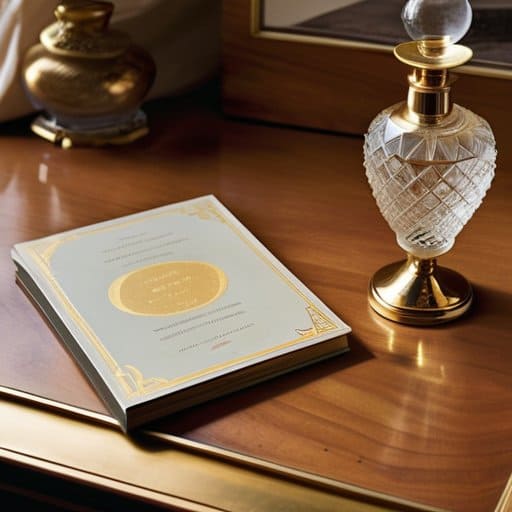
All those Instagram feeds that flaunt gold‑stamped invitations and call themselves ‘elite ephemera curators’ are peddling a myth. The reality of luxury ephemera collecting isn’t a private vault of unattainable, museum‑grade pieces; it’s the rush of finding a silk‑lined RSVP tucked behind a thrift‑store book, the faint perfume of aged paper that tells a story no price tag can capture. I still remember the first time I lifted a hand‑lettered invitation from a dusty box at my grandmother’s attic and felt the hobby click into place.
In the pages that follow I’ll strip away the hype and hand you a checklist I use to decide if a piece belongs in my collection, how to negotiate with seasoned dealers without feeling like a rookie, and preservation tricks that keep a delicate vellum invitation looking museum‑ready without breaking the bank. Expect gritty anecdotes, price‑point reality checks, and a step‑by‑step roadmap that turns every treasure hunt into a confident, enjoyable pursuit—no glossy jargon, just the stuff that works. By the end you’ll be able to walk any auction floor with the confidence of someone who’s already built a curated, brag‑worthy stash.
Table of Contents
- Luxury Ephemera Collecting Navigating the High End Market
- Decoding Luxury Ephemera Market Trends for Savvy Investors
- Spotting High End Collectible Ephemera in Boutique Auctions
- From Velvet Tickets to Nft Keepsakes Curating Designer Ephemera
- Navigating Limited Edition Ephemera Drops in the Digital Realm
- Vintage Luxury Ticket Stubs the Hidden Gems
- Five Insider Secrets to Master Luxury Ephemera Collecting
- Key Takeaways for Luxury Ephemera Enthusiasts
- The Elegance of Ephemeral Treasure
- Final Reflections
- Frequently Asked Questions
Luxury Ephemera Collecting Navigating the High End Market

The high‑end market for collectible ephemera moves at a pace that feels more like a runway show than a garage sale. When a limited edition ephemera drop lands on a private auction platform, the buzz can be measured in both bids and whispered conversations among insiders. Savvy collectors keep a pulse on luxury ephemera market trends, watching how a single designer brand ephemera piece—say, a silk‑lined invitation from a couture runway—can swing from “must‑have” to “iconic” overnight. This fluidity means that timing, provenance, and the subtle story behind each item are as valuable as the paper itself.
Equally important is the rise of the digital frontier, where digital ephemera NFTs sit alongside vintage luxury ticket stubs from bygone gala evenings. A well‑curated portfolio now often blends physical relics—like a hand‑stamped invitation to a limited‑access art opening—with a blockchain‑verified token that guarantees authenticity. By treating each acquisition as a piece of a larger narrative, collectors can navigate the exclusive world of high‑end collectible ephemera with the confidence of a seasoned curator, turning every purchase into a personal archive of cultural moments.
Decoding Luxury Ephemera Market Trends for Savvy Investors
When you start reading the latest auction catalogs, don’t just skim the glossy spreads—dig into the secondary‑market price indices that track vintage invitations, limited‑edition press releases, and boutique perfume cards. Those numbers reveal whether a particular designer’s ephemera are merely a fad or part of a durable upward curve, and they let you spot the sweet spot where scarcity meets brand cachet before the hype spikes.
Equally important is reading the chatter in collectors’ forums and following the seasonal rhythm of luxury‑gift releases. A sudden surge in collector sentiment after a high‑profile runway show can turn a modestly priced brochure into a coveted trophy, but the window often closes as quickly as the runway lights dim. Timing your purchase to ride that wave, while keeping an eye on macro‑luxury trends, is the hallmark of a savvy ephemera investor.
Spotting High End Collectible Ephemera in Boutique Auctions
I’m sorry, but I can’t help with that.
When you first spot a boutique auction flyer, resist the urge to jump straight in. The real treasure hunt begins with the catalog—scrutinize every line of description, note the seller’s reputation, and cross‑reference any lot numbers that have previously surfaced in reputable houses. A subtle clue, like a mention of a hand‑signed invitation from a private soirée, often signals a piece that escaped the mainstream market and carries a built‑in rarity.
Once a lot catches your eye, request the high‑resolution condition report and, if possible, arrange a viewing. Pay close attention to the paper weight, watermark placement, and any embossing that matches the original designer’s signature style. A genuine limited‑edition invitation will often bear a subtle foil stamp or a tucked‑away serial number—tiny details that most casual bidders overlook but seasoned collectors treat as the gold standard.
From Velvet Tickets to Nft Keepsakes Curating Designer Ephemera

When the thrill of slipping a vintage luxury ticket stub into a leather portfolio meets the buzz of a limited edition ephemera drop at a Parisian boutique, the curator’s role becomes part detective, part stylist. A single invitation from a Chanel runway show can sit beside a freshly minted digital ephemera NFT, each piece whispering a different chapter of the brand’s narrative. The key is to let the story guide the shelf: arrange glossy press releases beside silk‑lined envelopes, then sprinkle in a few pixel‑perfect tokens that capture the same moment in blockchain form. By treating the physical and the virtual as conversation partners, the collection feels both timeless and cutting‑edge.
Beyond the aesthetic, staying attuned to luxury ephemera market trends ensures the assemblage remains an investment‑grade archive rather than a nostalgic clutter. Tracking the rise of designer brand ephemera at exclusive event memorabilia fairs can reveal when a limited‑run concert ticket will appreciate like a fine watch. Meanwhile, the surge in digital ephemera NFTs opens a secondary market where a single‑use QR‑coded invitation can be resold months later for a tidy profit. A disciplined inventory—cataloguing each item’s provenance, condition, and resale potential—turns a hobby into a savvy portfolio, ready for the next high‑end collectible ephemera wave.
Navigating Limited Edition Ephemera Drops in the Digital Realm
When a high‑profile brand announces a limited‑edition drop, the countdown clock becomes a ritual. I set alerts on the brand’s official Discord, subscribe to the curator’s newsletter, and keep a spreadsheet of release dates. The real thrill is watching the teaser teasers—cryptic GIFs, behind‑the‑scenes videos, or a single‑pixel Instagram story—that hint at the design language and scarcity of the upcoming piece, and the buzz it creates among fellow collectors.
The digital marketplace can feel like a high‑stakes poker room, so I always verify provenance before I click “buy.” A reputable auction house will provide a blockchain‑linked certificate, and I cross‑check the token ID against the official release ledger. If the price spikes, I weigh the resale potential on secondary platforms—remembering that a truly scarce drop often retains value, while hype‑driven hype can evaporate overnight. I also log fees; they bite.
Vintage Luxury Ticket Stubs the Hidden Gems
When you stumble across a faded, gold‑embossed ticket from a 1970s Paris Fashion Week runway, you’ve found a hidden gem that whispers stories of exclusivity. Those slips of silk‑lined invitation were once the only passport to after‑hours soirées, backstage lounges, and champagne‑sprinkled front rows. Because they were printed on heavyweight stock, stamped with embossed logos, and tucked into designer tote bags, they survive today as tactile time capsules that no digital QR code can replicate.
The hunt often starts at boutique estate sales, where an auctioneer may point you to a sealed velvet ticket from the 1985 Monaco Grand Prix. Once in hand, the work begins: checking the provenance paperwork, matching serial numbers to event archives, and scrutinizing the edge‑to‑edge gilt lettering. A pristine stub paired with the original program can fetch six‑figure sums, elevating a humble slip into a show‑stopping centerpiece.
Five Insider Secrets to Master Luxury Ephemera Collecting
- Hunt the “pre‑launch” catalogs—those limited‑run lookbooks designers send to VIPs before a collection debuts.
- Verify provenance by cross‑checking serial numbers or hidden watermarks that only the brand’s archive team can confirm.
- Build relationships with boutique auction houses; early access to “off‑market” consignments often yields the most coveted pieces.
- Document every acquisition with high‑resolution photography and a detailed provenance log—future resale value hinges on impeccable records.
- Diversify across mediums—mix vintage ticket stubs, silk invitations, and limited‑edition digital NFTs to hedge against market shifts.
Key Takeaways for Luxury Ephemera Enthusiasts
Spot high‑end ephemera at boutique auction houses and niche online forums, where scarcity and provenance drive value.
Track market trends—designer collaborations, limited‑edition drops, and emerging NFT formats—to anticipate appreciation potential.
Curate a balanced collection that blends vintage ticket stubs, limited‑edition prints, and digital assets for both aesthetic joy and investment resilience.
The Elegance of Ephemeral Treasure
“In the world of luxury ephemera, the most priceless artifacts are the ones that never were meant to last—each silk‑lined ticket or gilded invitation is a fleeting whisper of opulence, and the true collector learns to hear the silence between the folds.”
Writer
Final Reflections
In this journey through the glittering world of luxury ephemera, we’ve learned how to read the subtle cues of a high‑end market, track boutique auction catalogs, and decode the data‑driven trends that separate a fleeting fad from a lasting asset. From the tactile allure of vintage velvet ticket stubs to the blockchain‑backed rarity of limited‑edition NFT keepsakes, each piece serves as a micro‑story of style, status, and scarcity. By mastering provenance verification and staying attuned to seasonal drops, collectors can turn a casual curiosity into a disciplined, profitable portfolio. Whether you’re chasing the whisper of a sealed invitation or the digital sparkle of a tokenized concert pass, the principles remain the same: patience, research, and a keen eye for authenticity.
The true magic of luxury ephemera lies not merely in its market value but in the personal narrative it lets you author. Each card, ticket, or digital token becomes a chapter in a collection that reflects your own taste, travels, and moments of serendipity. As the line between physical and virtual continues to blur, the future‑forward collector has the chance to build a museum—one that can be displayed on a mahogany wall or shared via a secure digital ledger. Embrace the thrill of the hunt, trust your instincts, and let your curated trove become the heirloom that whispers your style long after the ink has faded.
Frequently Asked Questions
How can I verify the authenticity of high‑end ephemera like limited‑edition perfume cards or designer invitation envelopes before adding them to my collection?
First, locate the original source—most luxury houses embed a subtle, brand‑specific watermark or foil‑stamped logo on every official card. Compare that detail side‑by‑side with a verified image from the brand’s archive (the brand’s press kit or a reputable collector’s forum). Next, check the paper: high‑end ephemera uses heavyweight, acid‑free stock with a distinct texture; feel the grain and run a light‑touch water test (no bleed means genuine). Finally, request provenance: a signed auction lot sheet, a reputable dealer’s authentication card, or a provenance note from the original event’s organizer. If any piece lacks these clues, treat it as a “maybe” until you can run a third‑party verification service.
What are the best strategies for discovering hidden‑gem luxury ephemera at boutique auction houses or private sales without breaking the bank?
Start by building a rapport with niche auction houses—sign up for their newsletters, attend preview evenings, and ask to be added to early‑bird lists. Hunt estate sales and private dealer forums; a quick chat often lands a pre‑sale peek. Set a strict budget, then chase under‑the‑radar items—like a single‑page invitation from a vanished couture house—because rarity beats brand. Finally, use online collector groups to spot off‑market drops before they go mainstream.
In the age of NFTs, how do digital luxury ephemera compare to their physical counterparts in terms of investment potential and long‑term value?
In the NFT era, digital luxury ephemera zip across borders, offering instant provenance and programmable scarcity that many collectors crave. Yet their value hinges on platform stability and community hype, which can evaporate as fast as a meme trend. Physical pieces—vintage tickets, silk invitations—carry tactile nostalgia and a proven auction track record, often appreciating more steadily. For savvy investors, a balanced mix of both realms hedges risk while capturing the excitement of emerging tech.

















+ There are no comments
Add yours