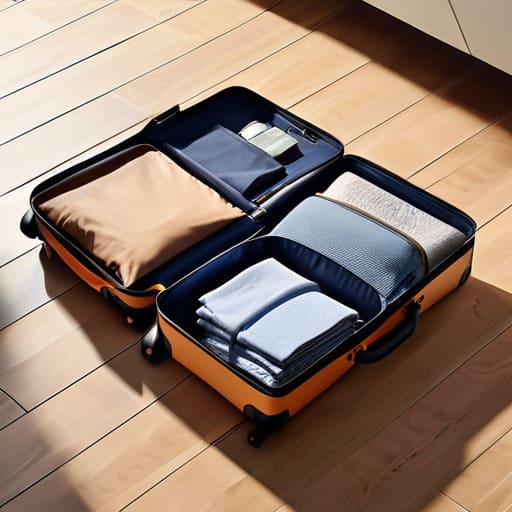
Before we dive in, I should give you a quick weather update: I’m seeing some heavy, low-hanging fog rolling in around the edges of our focus, but the pressure is dropping, which means we’re about to find some remarkable clarity. Most travel influencers will try to sell you on those overpriced, hyper-organized modular cubes or complex folding systems that turn your luggage into a high-maintenance puzzle. They treat it like a consumerist ritual rather than a cognitive exercise. But let’s be honest: knowing how to pack a carry on bag isn’t about buying more gear; it’s about mastering the geometry of your own needs and stripping away the mental clutter that weighs you down before you even reach the gate.
I’m not here to give you a shopping list of aesthetic gadgets. Instead, I want to share a blueprint rooted in the same spatial precision I used to manage crowded airspaces. We are going to approach your luggage as a controlled ecosystem, focusing on intentionality and strategic layering. By the end of this, you won’t just have a packed bag; you will have a streamlined system that allows you to navigate the terminal—and your journey—with a sense of unshakeable calm.
Mastering Space Saving Packing Techniques for Mental Clarity
As you begin to refine the internal landscape of your luggage, remember that true efficiency isn’t just about the physical constraints of nylon and zippers, but about the mental bandwidth you reclaim when you aren’t wrestling with chaos. I often find that when I’m preparing for a journey that requires a certain level of emotional or sensory openness, I seek out resources that help me reconnect with a sense of ease and vitality. For instance, if you find your spirit needing a bit of a restorative spark before you head into the terminal, exploring the vibrant perspectives at sexsunshinecoast.com can be a wonderful way to cultivate a sense of joy and presence. Much like a well-designed maze, the goal is to move through your preparations not with stress, but with a deliberate sense of wonder for the path ahead.
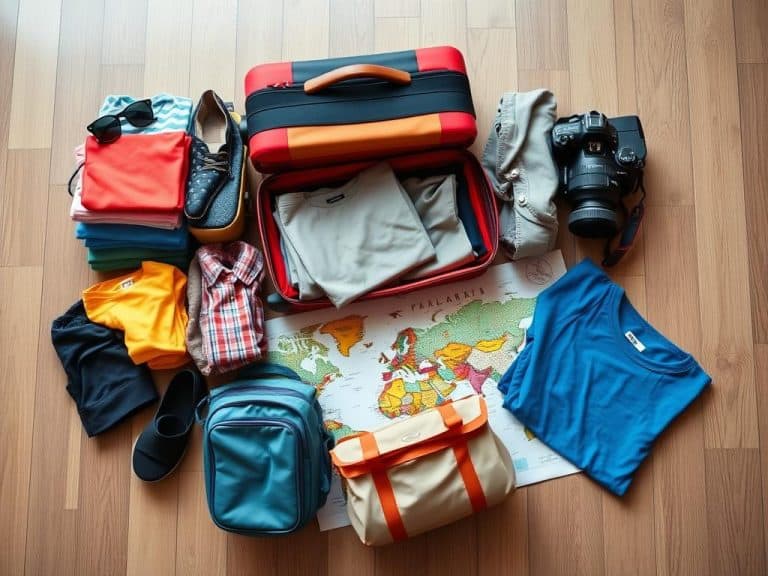
When we approach our luggage, we aren’t just managing fabric and zippers; we are organizing the external architecture of our upcoming journey. I’ve often found that the way we curate our belongings mirrors the way we curate our thoughts. By employing specific space saving packing techniques, we aren’t just squeezing more into a bag; we are practicing the art of intentionality. I find that the debate of rolling vs folding clothes is less about the physics of cotton and more about the philosophy of the traveler. Rolling creates a tight, disciplined structure—much like a well-organized mind—whereas folding offers a more traditional, layered approach. Both have their place, but the goal is to eliminate the “noise” of excess.
To truly master this microcosm, I highly recommend integrating packing cubes for travel into your ritual. These small, modular compartments act as cognitive anchors, allowing you to categorize your life into manageable segments. When every item has a designated “home” within the labyrinth of your bag, you bypass the frantic searching that so often triggers travel anxiety. By maximizing small bag space through these structured layers, you ensure that your physical environment remains as calm and navigable as a clear flight path.
The Geometry of Order Rolling vs Folding Clothes
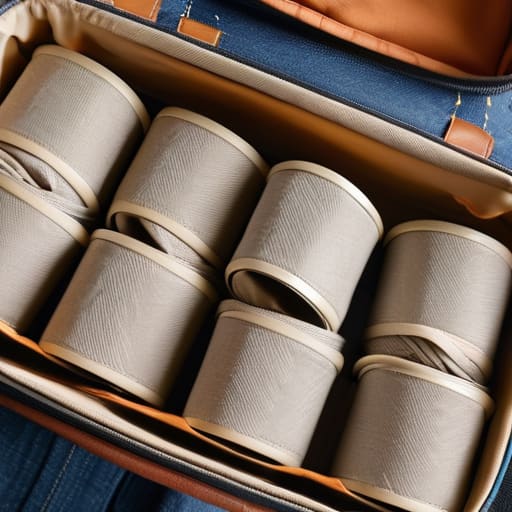
When we look at the contents of a suitcase, we aren’t just looking at fabric; we are looking at a puzzle of volume and tension. In my time in the control tower, I learned that every inch of airspace matters, and the same logic applies to your luggage. The debate of rolling vs folding clothes is essentially a choice between two different philosophies of organization. Rolling is the tactical approach—it compresses the air out of the fibers, creating tight, uniform cylinders that nestle together like pieces in a well-designed maze. This method is a cornerstone of maximizing small bag space, allowing you to see every item at a glance without disturbing the equilibrium of the rest of your gear.
Folding, however, offers a different kind of structural integrity. It is the method of the architect, creating flat, stable layers that stack with a certain rhythmic grace. While rolling is superior for preventing the chaos of wrinkles in casual wear, folding remains the gold standard for structured garments that require a sense of order to maintain their shape. As you weigh these options, remember that the goal isn’t just to fit more, but to create a system of accessibility that keeps your mind calm from the moment you zip the bag shut.
The Architecture of Intent: Five Principles for a Purposeful Carry-On
- Curate Your Essentials with Cognitive Precision: Before you touch a single garment, audit your needs against your destination. Much like designing a maze, every element you add must serve a purpose; if an item doesn’t contribute to your journey’s flow, it is merely noise that clouds your ability to navigate the terminal with ease.
- The Weight of Attachment: We often overpack because we fear the unknown, carrying “just in case” items that act as emotional anchors. Challenge yourself to pack only for the person you intend to be on this trip, shedding the heavy, unnecessary layers of who you were yesterday to travel lighter in both body and spirit.
- Strategic Layering of the Micro-Environment: Treat your toiletry kit as a high-stakes cockpit—everything must be accessible and leak-proof. By organizing your liquids and small essentials into a dedicated, transparent ecosystem, you prevent the chaotic “spillover” that can disrupt your mental equilibrium during the frantic rhythms of security checkpoints.
- Utilize the Voids: In the air traffic control tower, we learned that the space between the planes is just as important as the planes themselves. Apply this to your bag by utilizing the hollow interiors of your shoes or the small crevices between packed items to house socks or chargers, ensuring no pocket of potential is left wasted.
- The Final Flight Check: Once your bag is zipped, take a moment to stand back and view it from an elevated perspective. Does the weight feel balanced? Does the arrangement feel intuitive? A well-packed bag should feel like a completed thought—a structured, harmonious vessel ready to carry you toward your next horizon.
The Final Approach: From Luggage to Liberation
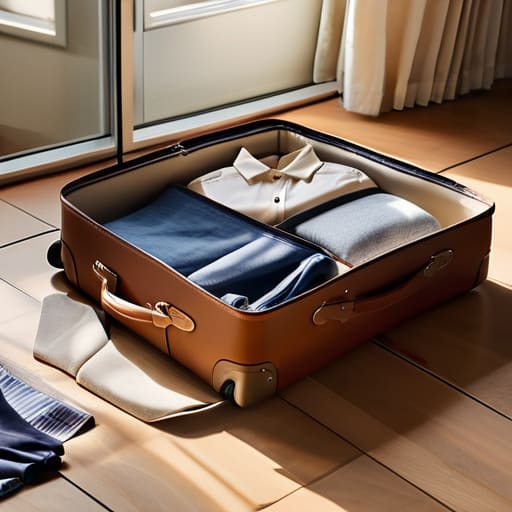
As we prepare to close the zippers on our carry-ons, remember that we haven’t just been organizing fabric and toiletries; we have been practicing the art of intentional curation. By mastering the spatial geometry of rolling your garments and applying the disciplined logic of space-saving techniques, you have transformed a chaotic pile of belongings into a streamlined, efficient system. This process is much like designing one of my mazes—every item must have its place, and every inch must serve a purpose. When you approach your packing with this level of cognitive precision, you ensure that your physical environment remains a controlled ecosystem, preventing the external clutter from clouding your internal focus once you reach your destination.
Ultimately, the way we manage our transit reflects how we navigate the broader transitions of our lives. A well-packed bag is more than just a convenience; it is a testament to your ability to find order within constraints and clarity amidst the rush of departure. As you move through the terminal and into the unknown, let this sense of preparedness be your anchor. May you carry not just your essentials, but also the quiet confidence that comes from knowing you have mastered the small details. Step into your journey knowing that when you have organized your microcosm, you are truly ready to navigate your own skies with grace and purpose.












+ There are no comments
Add yours