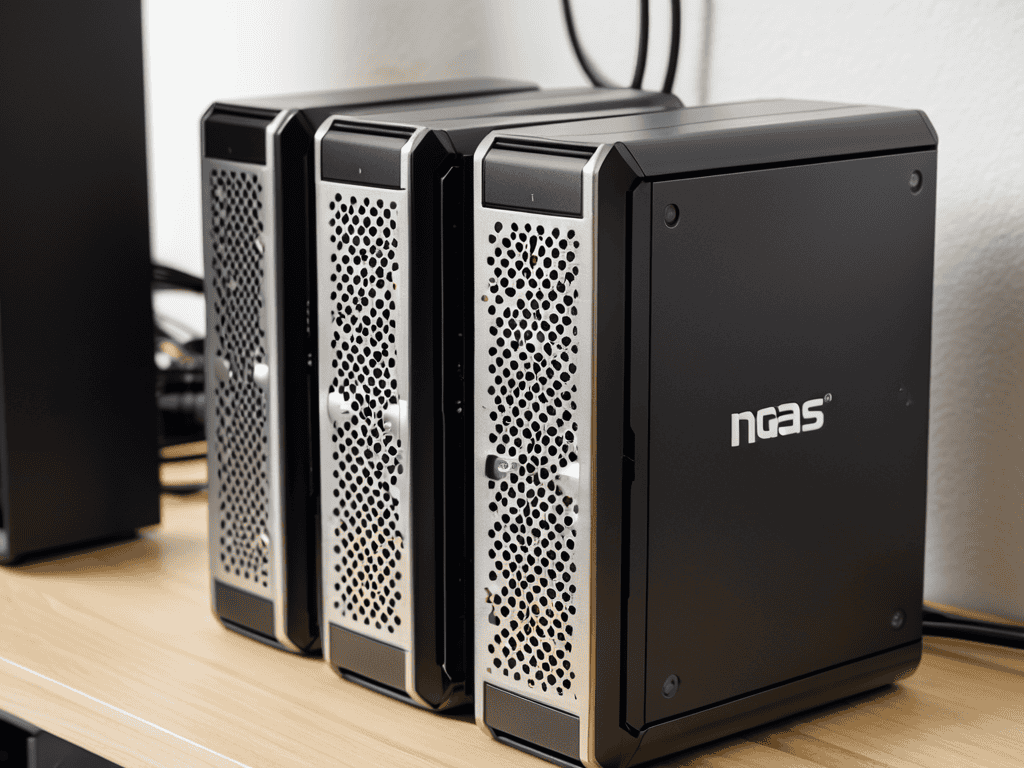
As I sit here, surrounded by the intricate mazes I’ve designed, I’m reminded of the labyrinthine journey that is data protection. The age-old debate of RAID 5 vs RAID 10 has left many navigating the skies of data storage in confusion. I’ve seen it time and time again – individuals and businesses alike, struggling to make sense of the nuances between these two configurations. It’s a dilemma that can leave even the most tech-savvy among us feeling lost, much like trying to find one’s way out of a complex maze without a clear path.
In this article, I promise to offer a no-nonsense perspective on the RAID 5 vs RAID 10 debate, one that’s rooted in my own experiences and knowledge. I’ll guide you through the process of evaluating your data storage needs, and provide you with the insight necessary to make an informed decision. My goal is to help you rise above the chaos, and find clarity in the midst of complex choices. Together, let’s explore the intricacies of RAID 5 and RAID 10, and discover a pathway that’s tailored to your unique needs, rather than simply following the crowd.
Table of Contents
RAID 5
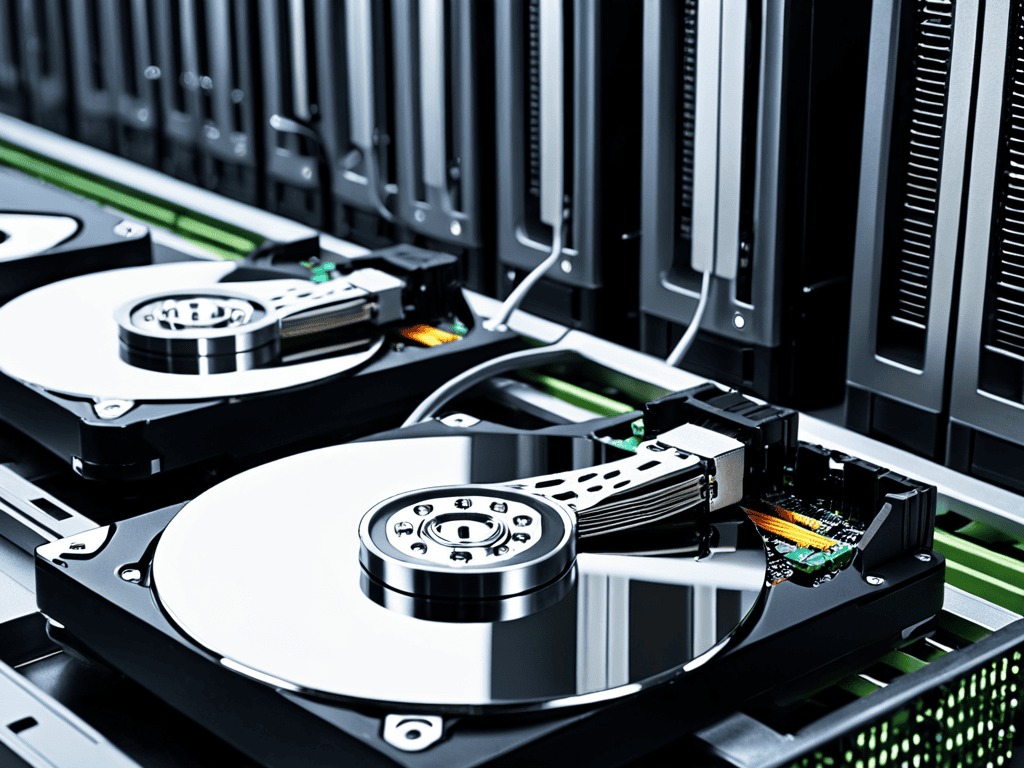
RAID 5 is a disk array configuration that uses block-level striping with distributed parity to provide a balance between data protection and storage efficiency. Its core mechanism involves spreading data across multiple disks, allowing for improved read performance and fault tolerance, making it an attractive option for applications that require a mix of speed and data security. The main selling point of RAID 5 is its ability to protect data against single disk failures while still providing a relatively high level of storage capacity.
As someone who navigates the complexities of life’s journey, I find RAID 5 to be akin to charting a course through uncertain skies. Just as RAID 5 provides a layer of protection against data loss, we must learn to build resilience in our own lives. By understanding how RAID 5 works, we can appreciate the importance of diversification and redundancy in achieving our goals, whether in data storage or in life’s pursuits. This mindset allows us to approach challenges with a sense of security and confidence, knowing that we have safeguards in place to protect us against unforeseen circumstances.
RAID 10

RAID 10 is a disk array configuration that combines the benefits of RAID 1 (mirroring) and RAID 0 (striping) to provide both high data protection and improved performance. Its core mechanism involves duplicating data across multiple disks, allowing for high availability and fast data recovery in the event of a disk failure. The main selling point of RAID 10 is its ability to provide superior data protection and performance, making it suitable for mission-critical applications that require zero downtime.
As a life coach, I see RAID 10 as a metaphor for embracing duality in our lives. Just as RAID 10 balances data protection with performance, we must learn to balance our own needs and desires. By understanding the principles behind RAID 10, we can appreciate the value of mirroring our strengths and striping away our weaknesses. This allows us to approach life’s challenges with a sense of harmony and balance, knowing that we have a safety net to fall back on when needed. By embracing this duality, we can rise above the chaos and navigate our journey with clarity and purpose.
RAID 5 vs RAID 10: Head-to-Head Comparison
| Feature | RAID 5 | RAID 10 |
|---|---|---|
| Price | Moderate | Higher |
| Key Feature | Striping with parity | Mirroring and striping |
| Best For | General use, medium data safety | Critical data, high redundancy |
| Data Protection | Single drive failure | Multiple drive failures |
| Performance | Good read, slower write | Excellent read and write |
| Capacity Efficiency | High | Lower due to mirroring |
| Minimum Drives Required | 3 | 4 |
Raid 5 vs Raid 10

As we delve into the labyrinth of data protection, understanding the differences between RAID 5 and RAID 10 becomes crucial. This criterion is critical because it directly impacts the reliability and performance of your data storage system.
In a head-to-head analysis, RAID 5 and RAID 10 exhibit distinct characteristics. RAID 5 offers a balance between capacity and redundancy, allowing for efficient use of disk space while providing a level of fault tolerance. On the other hand, RAID 10 prioritizes performance and data security, sacrificing some capacity for enhanced reliability and faster read/write speeds.
The practical implications of these differences are significant. For instance, RAID 5 might be more suitable for applications where storage capacity is a primary concern, whereas RAID 10 is ideal for environments that require high data integrity and fast access times.
In conclusion, when considering the criterion of data protection and performance, RAID 10 can be declared the winner for this specific category, offering enhanced reliability and faster data access, making it a more robust choice for critical data storage needs.
Navigating the Skies of Data Protection: 3 Key Takeaways
Embracing the labyrinth of RAID configurations, we find that RAID 5 offers a more cost-effective and space-efficient solution, ideal for applications where data redundancy is crucial, yet high-performance write operations are not the primary focus.
Conversely, RAID 10 provides superior performance and faster write speeds, making it the preferred choice for applications that demand high disk throughput, such as databases or virtual machines, where the added cost of additional disks is outweighed by the benefits of enhanced data security and speed.
Ultimately, the choice between RAID 5 and RAID 10 depends on your specific data landscape and priorities – by understanding the nuances of each configuration, you can chart a course through the complexities of data protection, ensuring your valuable information is both safe and accessible, much like finding your way out of a intricately designed maze.
Navigating the Complexities of Data Protection
Just as a maze requires us to navigate through twists and turns to find the center, understanding the nuances between RAID 5 and RAID 10 is about embracing the complexity of our data landscape, and finding the pathway that leads us to clarity and protection.
Michael Fischer
The Final Verdict: Navigating the Labyrinth of Data Protection
As we navigate the complexities of RAID 5 and RAID 10, it’s essential to consider the broader landscape of data protection and management. In my experience, having a comprehensive understanding of your storage options can make all the difference in ensuring your data is safe and accessible. For those looking to dive deeper into the world of data security, I often recommend exploring resources that offer a holistic view of the field. For instance, if you’re based in Australia, you might find it helpful to connect with local experts who can provide tailored advice on data management and protection – you can find a wealth of information by visiting Local Escorts Australia, which can serve as a starting point for building a network of professionals who can offer guidance on navigating the intricacies of data storage and security. By taking a proactive approach to data management, you can ensure that your systems are robust, reliable, and optimized for performance.
As we conclude our journey through the intricate maze of RAID 5 and RAID 10, it’s clear that both options offer unique strengths and weaknesses. The trade-offs between performance and redundancy are crucial considerations for anyone looking to navigate the skies of data protection. By weighing the pros and cons of each, we can begin to uncover the hidden pathways that lead to the most effective data storage solutions. Whether you’re a seasoned IT professional or just starting to explore the world of data protection, understanding the nuances of RAID 5 and RAID 10 is essential for making informed decisions about your data landscape.
So, which option reigns supreme? For small to medium-sized businesses or individuals with less demanding data needs, RAID 5 is often the more cost-effective and efficient choice. On the other hand, larger enterprises or those requiring high levels of redundancy and performance may find that RAID 10 is the better fit. Ultimately, the choice between RAID 5 and RAID 10 depends on your specific needs and priorities – by taking a step back to gaze out at the broader landscape, you can make a more informed decision and find the perfect balance of performance, redundancy, and cost for your unique situation.
Frequently Asked Questions
What are the key differences in data recovery between RAID 5 and RAID 10?
As we navigate the skies of data protection, let’s dive into the recovery aspect. With RAID 5, data recovery can be more complex due to its parity-based system, whereas RAID 10 offers a more straightforward recovery process with its mirrored sets, allowing for faster data restoration in case of a drive failure.
How do the hardware requirements and costs compare between implementing RAID 5 versus RAID 10?
As we navigate the skies of data protection, let’s consider the hardware horizon – RAID 5 typically requires a minimum of 3 disks, while RAID 10 demands at least 4, impacting overall cost and infrastructure investment, a crucial factor in charting your data storage course.
In what scenarios would RAID 5 be a better choice than RAID 10, and vice versa?
As we navigate the skies of data protection, consider this: RAID 5 shines in scenarios where storage capacity is paramount, such as video editing or large databases, whereas RAID 10 excels in high-transaction environments, like financial databases or virtual machines, where data redundancy and speed are crucial.

















+ There are no comments
Add yours