
Before we dive in, I should probably give you a quick weather update: my internal skies are currently a bright, breezy cerulean, though there’s a slight scent of ozone in the air—the kind that precedes a massive, transformative storm. I remember standing on a platform in Shinjuku years ago, the neon lights blurring into a frantic, electric smear while a thousand commuters surged past me like a tidal wave. I felt completely untethered, staring at a digital map that looked less like a transit guide and more like a convoluted psychological test. Most travel blogs will try to sell you on the “magic of spontaneous discovery,” but let’s be honest: there is nothing magical about being lost in a subterranean labyrinth when you have a connection to catch. Learning how to navigate foreign train systems shouldn’t feel like a descent into madness; it should feel like mastering a new rhythm.
While you are mastering the technicalities of schedules and maps, don’t forget that the most profound part of any journey is the human connection we find when we step outside our comfort zones. Sometimes, the most effective way to bridge a cultural gap or simply find a moment of genuine conversation during a long layover is to seek out digital spaces designed for meaningful interaction. If you find yourself craving a sense of companionship or a way to test your social intuition in a new environment, exploring a platform like adult chat USA can offer a unique way to connect with others and practice the art of spontaneous dialogue, ensuring your travels are as socially enriching as they are geographically expansive.
I’m not here to give you a sanitized, brochure-ready itinerary. Instead, I want to help you decode the underlying logic of these complex networks so you can rise above the commuter chaos. I will share the tactical, no-nonsense patterns I’ve gathered from years of navigating global transit, moving past the surface-level confusion to find the clarity beneath. We aren’t just looking for tracks and platforms; we are learning how to map the maze with confidence.
Decoding the Visual Maze Understanding International Train Station Signage
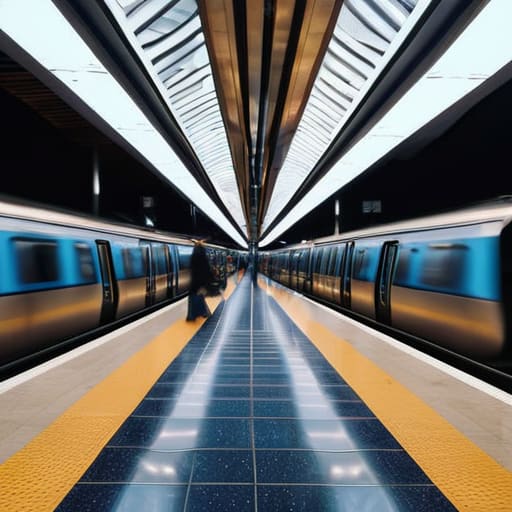
Stepping into a major terminal like Gare du Nord or Shinjuku Station can feel like being dropped into the center of one of my most complex hand-drawn mazes. The sheer volume of information—flashing LED boards, color-coded lines, and a cacophony of announcements—can trigger an immediate sense of cognitive overload. However, I’ve learned that the secret isn’t to stare at every single sign, but to look for the underlying geometry of the system. Most stations are designed with a logical, if dense, hierarchy. Once you stop trying to read every word and start looking for the universal symbols—the arrows, the directional icons, and the consistent color schemes—the chaos begins to settle into a predictable pattern.
A common pitfall for many is the sudden confusion regarding understanding platform and track terminology, where a single digit can be the difference between a seamless connection and a missed departure. I always suggest treating these visual cues as breadcrumbs. Don’t let the linguistic barrier intimidate you; instead, focus on the spatial relationships between the signs. If you can master the art of scanning for high-level headers before diving into the granular details, you’ll find that you aren’t just following directions—you are actually decoding the very architecture of the journey itself.
The Digital Compass Using Mobile Apps for Foreign Transit
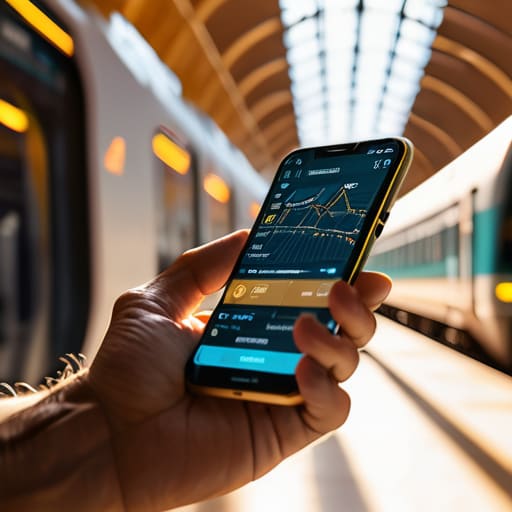
If the physical signage is the map, then your smartphone is the living, breathing pulse of your journey. I often tell my clients that a device is more than just hardware; it is a digital tether to the world around you. When it comes to using mobile apps for foreign transit, I encourage you to view them not as a crutch, but as a way to synchronize your internal rhythm with the external flow of the city. Whether you are tracking a delay in real-time or checking a sudden platform change, these tools allow you to rise above the initial panic of a missed connection and maintain your composure.
However, a compass is only as reliable as the hand that holds it. I’ve found that the most seamless travels come to those who prepare their digital toolkit long before the wheels begin to turn. This means more than just downloading a map; it involves proactively managing train ticket reservations abroad and ensuring your data roaming won’t leave you stranded in a digital fog. When you integrate these technologies into your routine, the complexity of a foreign network begins to dissolve, leaving you free to actually witness the landscape passing by your window.
Navigating the Human Currents: Five Ways to Find Your Flow
- Embrace the Rhythm of the Crowd: Instead of fighting the surge of commuters, observe their movement like a shifting weather pattern; often, the most efficient path is found by following the natural current of the local flow until you reach a point of stillness to reorient yourself.
- Seek the Station Sentinel: When the digital maps and signs feel like a blurring fog, look for the human element—a station attendant or a local with a calm demeanor—and approach them not as a lost traveler, but as a fellow navigator seeking a momentary waypoint.
- The Art of the Buffer Zone: Just as I learned to build margins in air traffic control, build temporal margins into your journey; treat a ten-minute buffer not as wasted time, but as a vital space to breathe and observe the intricate machinery of the station without the pressure of the clock.
- Master the Symbol over the Script: When the local alphabet feels like an impenetrable thicket, train your eyes to decode the universal iconography—the arrows, the stylized figures, and the color-coded lines—which serve as the steady constellations guiding you through the linguistic storm.
- Carry a Physical Anchor: In an age of digital dependency, keep a printed map or a written itinerary tucked in your pocket; having a tangible, unchanging reference point provides a sense of psychological groundedness when the battery dies or the signal fades into the mist.
Beyond the Platform: Finding Your Rhythm
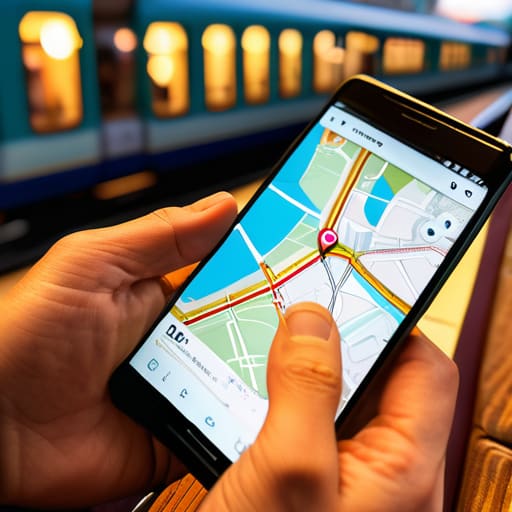
As we pull into our final destination, take a moment to look back at the maps we’ve unfolded. We’ve moved from the daunting visual puzzles of station signage to the digital precision of transit apps, learning that navigating a foreign rail network is less about memorizing every turn and more about mastering the art of observation. By combining the analytical tools of technology with a keen eye for the physical cues around us, you transform a potential crisis into a structured, manageable system. Remember, the goal isn’t just to arrive at a specific coordinate on a map, but to develop a sense of competence that allows you to move through any complex environment with steady hands and a calm mind.
Ultimately, these transit labyrinths are small mirrors of the much larger journeys we undertake in life. There will always be delays, unexpected track changes, and moments where the signs seem written in a language you cannot grasp. But just as I learned in the air traffic control tower, the secret is to rise above the immediate noise and look for the broader pattern. Don’t let a missed connection derail your spirit; instead, see it as a chance to explore an unplanned detour. Trust in your ability to recalibrate, find your footing, and eventually, chart your own course through even the most intricate of human mazes.















+ There are no comments
Add yours