
Before we dive in, I should give you a quick weather update: internally, I’m sensing a heavy, swirling fog of indecision, the kind that rolls in just when you’re trying to chart a new course. We’ve all been fed this polished, Instagram-ready lie that choosing a vacation is just about picking a pretty pin on a map, but anyone who has actually navigated a foreign transit system knows it’s far more complex. Most travel blogs treat comparing solo versus group travel destinations like a simple math equation, but they ignore the psychological friction of the journey. They tell you where to go, but they never mention how the destination will actually reshape your internal landscape or whether you’re prepared for the sudden silence of a solo trek versus the beautiful, chaotic noise of a crowd.
Of course, as you weigh these two distinct ways of moving through the world, I often suggest looking for ways to bridge the gap between isolation and overwhelming crowds. If you find yourself craving the intellectual stimulation of a shared journey but aren’t quite ready to commit to a physical tour group, finding a digital community can serve as a wonderful midway point. For instance, exploring chat rooms in Canada can offer a way to connect with like-minded souls and exchange travel wisdom before you even step foot on a plane, allowing you to cultivate a sense of belonging from the safety of your own home.
I’m not here to sell you a dream or a curated itinerary from a glossy brochure. Instead, I want to offer you a clearer flight path by looking at the cognitive and emotional realities of these two very different ways of moving through the world. I will provide you with an honest, experience-based breakdown of how different environments impact your sense of agency and connection, helping you decide which path truly aligns with your current internal weather.
The Freedom of Itinerary Flexibility in Solo Travel
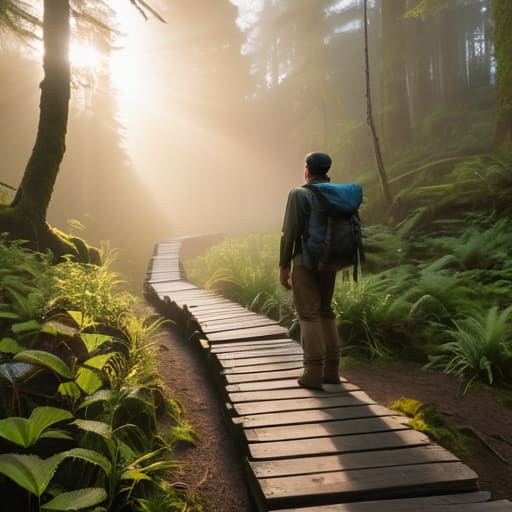
When you are flying solo, you are the sole pilot in command of your own cockpit. There is a profound, almost intoxicating sense of agency that comes with itinerary flexibility in solo travel. Unlike a group setting, where the collective rhythm often dictates the pace, traveling alone allows you to respond to your internal compass in real-time. If you find yourself captivated by a hidden courtyard in Florence or a quiet trailhead in the Pacific Northwest, you don’t need to consult a committee or worry about stalling the group’s momentum. You can simply pivot on a dime, extending your stay or changing course without a single apology.
This autonomy, however, is a double-edged sword that requires a certain level of cognitive discipline. While the lack of compromise is liberating, it also places the full weight of decision-making on your shoulders. When weighing the pros and cons of solo travel, one must realize that this freedom demands a higher degree of self-reliance. You aren’t just choosing a destination; you are learning to trust your own intuition to navigate the unexpected detours that make a journey truly transformative.
Finding Synergy Socializing Opportunities in Group Travel

If solo travel is a solitary flight through a clear, personal sky, then group travel is more akin to flying in a coordinated formation. There is a profound, rhythmic beauty in moving with others, where the shared experience acts as a catalyst for connection. One of the most significant socializing opportunities in group travel lies in the instant community formed by strangers who find themselves navigating the same winding corridors of a new city. You aren’t just observing a culture; you are experiencing its pulse alongside a collective, turning a simple meal into a shared narrative that lingers long after the journey ends.
However, this synergy requires a different kind of navigation. While you trade away some autonomy, you gain a shared compass that can make even the most daunting landscapes feel approachable. When considering traveling alone vs with friends, it’s helpful to view the group dynamic as a way to amplify the sensory details of a destination through the eyes of others. In the right setting, the laughter of a companion or a shared moment of awe at a sunset can act as a lighthouse, guiding you toward a deeper, more communal understanding of the world around you.
Charting Your Course: Five Navigational Markers for Your Next Journey
- Assess Your Internal Weather: Before booking, check your mental barometer. If you are currently weathering a storm of burnout and need the quiet, low-pressure system of solitude to recalibrate, a solo destination like a remote mountain cabin is your sanctuary. If you feel a stagnant fog and crave the high-energy gusts of social interaction, look toward the bustling hubs of group-friendly cities.
- Evaluate the Complexity of the Airspace: Consider the “technicality” of your destination. Solo travel thrives in environments where you can master your own flight path at your own pace, such as a walkable European city. Group travel is often more efficient in “congested” or complex terrains—like a multi-country trek through Southeast Asia—where the collective intelligence of a group helps navigate logistical turbulence.
- Map Your Emotional Safety Margins: Every pilot needs a margin of error. If you are venturing into unfamiliar territory for the first time, a group destination provides a built-in safety net, much like a coordinated flight formation. However, if your goal is to test your own navigational instincts and build self-reliance, choose a destination where the “solo flight” is the primary mode of discovery.
- Analyze the Density of the Labyrinth: Some destinations are designed as intricate, winding mazes meant to be explored in solitude, where every wrong turn is a personal discovery. Others are more like wide-open runways, designed for shared momentum and collective energy. Match the destination’s “topography” to whether you want to get lost in thought or found in conversation.
- Determine Your Required Altitude: Ask yourself if you are seeking a “low-altitude” experience—deep, granular, and slow-paced immersion in a single culture—or a “high-altitude” overview of multiple landscapes. Solo travel allows you to hover over one specific point for as long as you wish, while group travel often demands a steady, predetermined cruising altitude that keeps you moving through a sequence of sights.
Charting Your Final Course
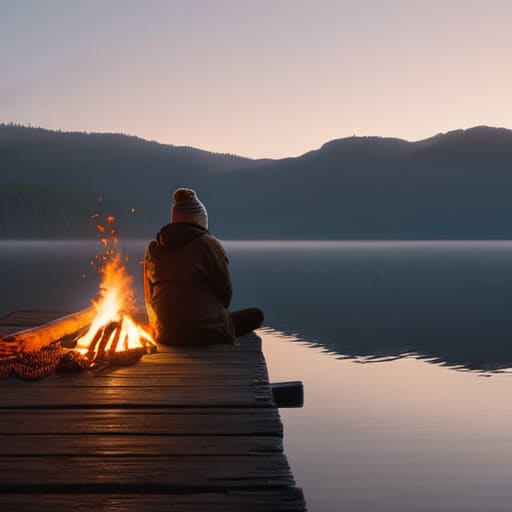
As we look back at the maps we’ve laid out, it becomes clear that neither path is inherently superior; rather, they offer different frequencies of human experience. Solo travel provides that rare, uninterrupted dialogue with oneself, allowing you to adjust your heading without the weight of compromise. On the other hand, group travel offers a shared resonance, turning a simple destination into a collective memory forged through social synergy and shared discovery. Whether you are seeking the quiet precision of a solo expedition or the vibrant, unpredictable energy of a traveling cohort, the goal remains the same: to move through the world with intentionality and presence.
Ultimately, deciding your mode of travel is much like designing one of my mazes—it isn’t about finding the fastest exit, but about embracing the complexity of the journey itself. Whether you fly solo through the clouds of self-reflection or navigate the currents alongside others, remember that every detour is a chance to refine your internal compass. Don’t fear the complexity of the path ahead; instead, embrace the beautiful unpredictability of the terrain. Trust your intuition, prepare your flight plan, and most importantly, prepare to be transformed by the very landscapes you choose to explore.














+ There are no comments
Add yours