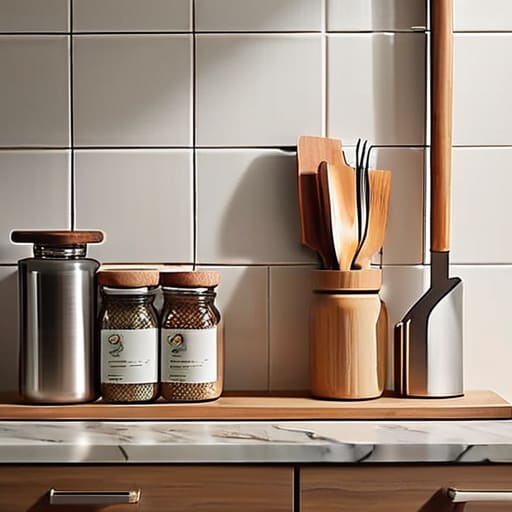
Before we dive into the practicalities, I should give you a quick weather report for the soul: currently, I’m sensing a bit of a low-pressure system swirling around your domestic space. We’ve all been there—standing in a cramped kitchen where every drawer feels like a dead end in a poorly designed maze, and every countertop is a cluttered obstacle course. When our physical environment feels claustrophobic, it’s incredibly difficult to find the mental headspace to truly breathe. Finding the best ways to organize a small kitchen isn’t just about tidying up; it’s about reclaiming your ability to move through your home with a sense of intentional grace rather than constant friction.
In the following sections, I’m going to guide you through seven essential tools and strategies to help you navigate this particular labyrinth. We won’t just be moving objects around; we will be applying a bit of cognitive clarity to your culinary landscape. You will discover how to transform those tight, chaotic corridors into a streamlined flight path, ensuring that your kitchen becomes a place of purposeful flow rather than a source of stress. Let’s begin charting a clearer course for your home.
Verticality and the Upward Flight Path
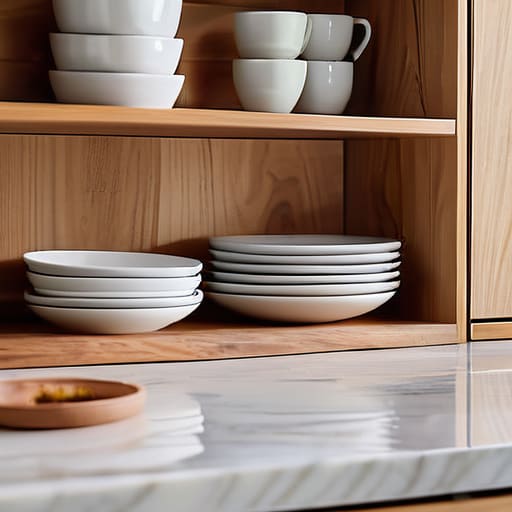
When we find ourselves confined by limited square footage, our instinct is often to look horizontally, trying to spread out our belongings across a crowded counter. However, I’ve learned from my days in the control tower that when the ground becomes congested, the solution is to utilize the airspace. By installing floating shelves or utilizing the full height of your cabinets, you are essentially creating new layers of existence for your tools, allowing your primary workspace to breathe.
The Architecture of Zonal Clarity
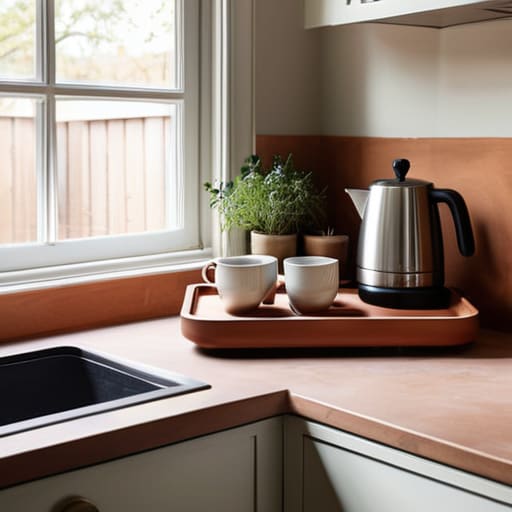
In any complex system, whether it’s a busy airspace or a high-functioning kitchen, chaos ensues when there is no defined structure. We often make the mistake of scattering our utensils and ingredients based on where they happen to fit, rather than where they belong. I suggest implementing a “zonal” approach: group your items by their functional purpose, such as a dedicated coffee station or a concentrated baking corner.
Transparent Vessels and Visual Truth
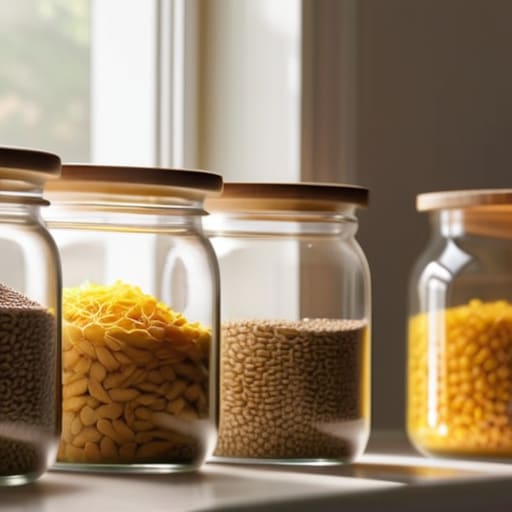
There is a certain psychological weight to opaque containers; they hide the contents, leaving us to guess and fumble through a dark labyrinth of pantry doors. I have always believed that clarity of sight leads to clarity of mind. By transitioning to clear glass jars for your grains, pastas, and legumes, you are stripping away the mystery and replacing it with immediate, honest information.
The Hidden Depths of Cabinetry
We often overlook the vast, untapped potential residing in the “dead space” at the back of our deep cabinets. Much like the forgotten corners of a complex maze, these areas can become graveyards for items we rarely use. To combat this, I recommend utilizing pull-out organizers or tiered shelving that brings the hidden depths into the light.
Magnetic Momentum and Wall Integration
Sometimes, the most effective way to navigate a tight corridor is to move the obstacles entirely off the floor. In a small kitchen, your walls are not just boundaries; they are opportunities for expansion. A magnetic knife strip or a hanging rail for utensils can transform a blank surface into a highly functional command center.
The Curated Collection Principle
In my design work, I’ve found that a maze becomes overwhelming when it is filled with unnecessary detours. Your kitchen is no different. We often cling to gadgets and tools out of a sense of “just in case,” but these items often act as psychological anchors, weighing down our ability to move freely. I encourage you to perform a rigorous audit of your inventory.
Mobile Solutions for Fluid Environments
Life is rarely static, and our environments should be capable of evolving alongside us. If your kitchen feels too rigid and cramped, consider introducing a rolling kitchen cart or a mobile island. This introduces an element of kinetic flexibility, allowing you to reconfigure your workspace based on the specific “weather” of your day.
Finding Your Flow in the Culinary Maze
As we step back from the immediate task of rearranging cabinets and labeling bins, let’s take a moment to recognize the patterns we’ve uncovered. We’ve moved through the complexities of vertical storage, the precision of zone-based organization, and the liberating art of decluttering. By treating your kitchen not as a collection of cluttered surfaces, but as a structured flight path, you have begun to transform a source of daily friction into a space of intentionality. Whether it was utilizing those hidden corners or maximizing every inch of wall space, you have laid the groundwork to ensure that your physical environment no longer dictates your mental state, but rather supports it.
Ultimately, organizing a small kitchen is about much more than just finding a home for a spatula; it is a practice in cultivating clarity amidst chaos. Just as the most intricate mazes reveal their beauty once you understand their design, your kitchen will reveal its potential once you embrace a sense of purposeful flow. Do not be discouraged if the path to perfect order feels winding at times. Remember that every small adjustment is a step toward a more harmonious existence. As you move forward, I encourage you to view your kitchen as a sanctuary of creativity, where the layout serves your spirit and allows you to navigate your daily rituals with grace and ease.
As you begin to implement these structural shifts, remember that finding order in a small space is often about managing the energy of your environment, ensuring that every corner feels intentional rather than cluttered. Sometimes, when we feel overwhelmed by the physical constraints of our homes, we need to seek out external connections or diverse perspectives to remind us that we aren’t alone in our pursuit of balance. Just as I might look toward new horizons when my own internal weather turns stormy, I’ve found that exploring different social landscapes—perhaps even through a quick detour to toronto sex chat—can offer a refreshing way to reconnect with human spontaneity amidst the rigid geometry of an organized kitchen. It’s all about maintaining that delicate equilibrium between the precision of your surroundings and the vibrant, unpredictable pulse of life itself.
















+ There are no comments
Add yours