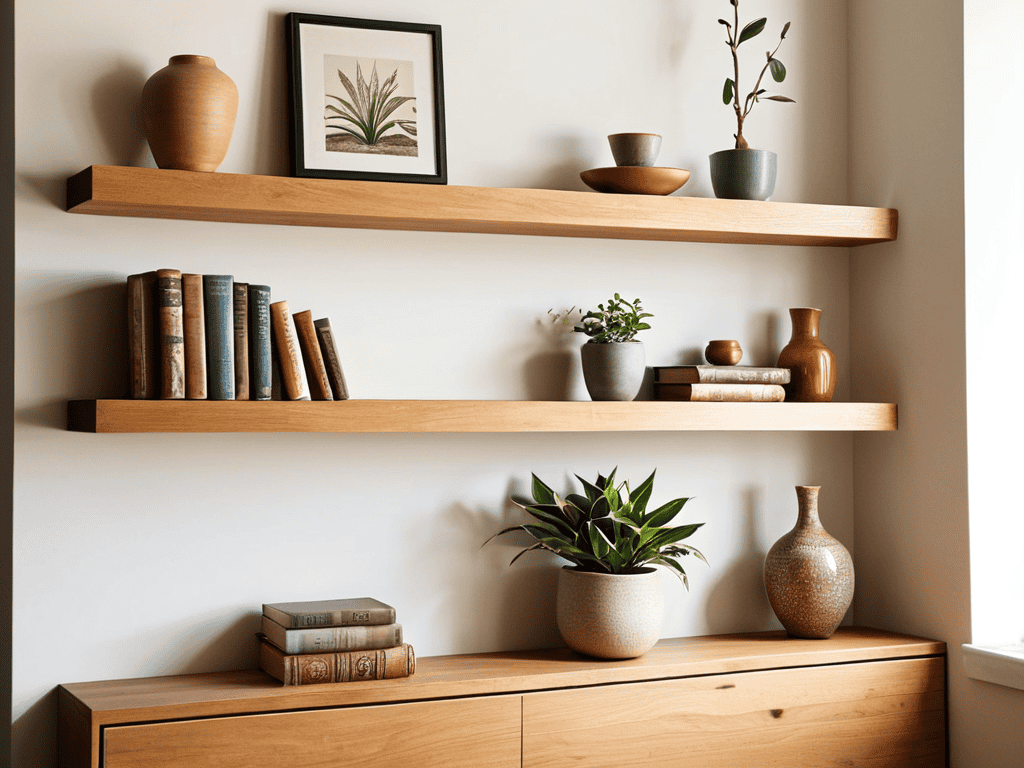
As I gaze out at the internal skies of my own creative journey, I’m reminded of the metaphorical weather update that sets the tone for our exploration today: a gentle breeze of innovation, carrying the seeds of simplicity and functionality. You see, I’ve often found that the pursuit of elegance in design can be a powerful catalyst for personal growth, much like the intricate mazes I love to create. This is why I’m excited to share with you my take on how to build simple floating shelves for any room, a project that embodies the perfect blend of form and function.
In this article, I promise to guide you through the process with practical honesty, avoiding the common pitfalls and myths that can make DIY projects feel overwhelming. You’ll learn how to navigate the nuances of simple floating shelves, from choosing the right materials to executing a flawless installation. My goal is to empower you with the confidence to create, so you can transform any room into a reflection of your unique personality and style. By the end of this journey, you’ll be equipped with the knowledge and inspiration to tackle your own projects, and perhaps, like me, you’ll discover that the true beauty of creation lies not just in the end result, but in the labyrinthine path that leads you there.
Table of Contents
- Guide Overview: What You’ll Need
- Step-by-Step Instructions
- Navigate Simple Shelf Skies
- Charting Your Course: 5 Essential Tips for Building Simple Floating Shelves
- Elevating Your Space: 3 Key Takeaways
- Navigating the Blueprint of Life, One Shelf at a Time
- Rising Above the Ordinary: A Conclusion
- Frequently Asked Questions
Guide Overview: What You’ll Need
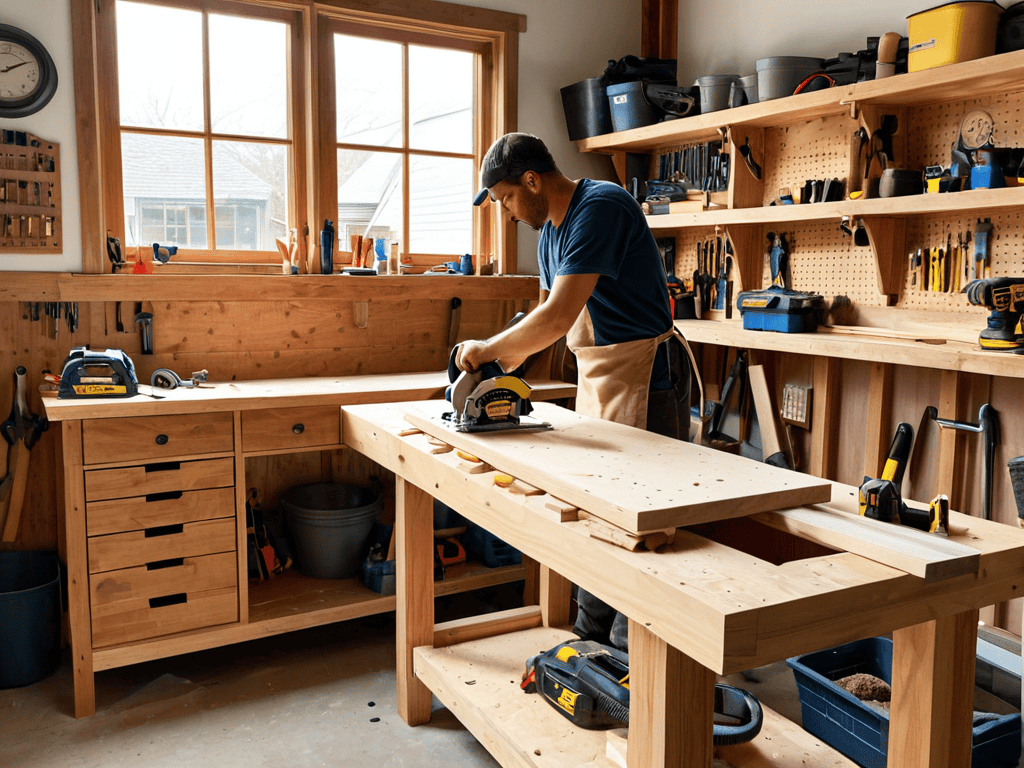
Total Time: 2 hours 30 minutes
Estimated Cost: $50 – $100
Difficulty Level: Intermediate
Tools Required
- Drill Press (for precise drilling)
- Hand Saw (or circular saw for lumber cutting)
- Sander (for smoothing out wood)
- Level (to ensure shelves are straight)
- Measuring Tape (for accurate measurements)
- Pencil and Marker (for marking lumber and walls)
- Wall Anchors (for securing shelves to walls)
- Wrench or Socket (for tightening bolts)
Supplies & Materials
- 2-in x 4-in lumber (for shelf supports)
- 3/4-in plywood (for shelf boards)
- Wall Anchor Screws (for securing shelves to walls)
- Wood Glue (for bonding wood pieces)
- 2 1/4-in wood screws (for assembling shelves)
- Wood filler (for filling gaps and holes)
- Paint or Stain (for finishing and protecting the shelves)
- Decorative Trim (optional for covering edges)
Step-by-Step Instructions
- 1. First, let’s start by gathering our tools and materials, shall we? We’ll need a drill press, a hand saw or a power saw for cutting the wood, a sander for smoothing out the edges, and of course, the wood itself for our shelves. I like to think of this step as plotting our course through the skies of DIY, where every tool is an instrument guiding us towards our destination.
- 2. Next, we’ll need to measure the space where our floating shelves will reside. This is crucial because it determines the length and width of our shelves. Take your time, and remember, precision is key. Just as air traffic controllers need to be meticulous about the spacing between planes, we need to be meticulous about the measurements of our shelves to ensure they fit perfectly.
- 3. Now, let’s cut our wood according to the measurements we’ve taken. If you’re using a hand saw, take slow, steady strokes. If you’re using a power saw, make sure you’re wearing protective gear and keep your hands steady. Cutting the wood is like navigating through a maze – each cut brings us closer to our goal, but we must be mindful of our path.
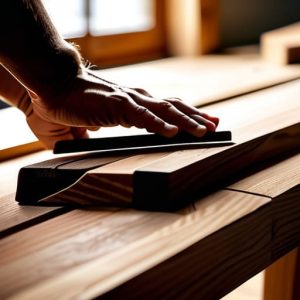
- 4. After cutting our wood, it’s time to sand it down. Sanding is an essential step because it smooths out any rough edges, making our shelves safe to handle and aesthetically pleasing. I find this step to be meditative, much like designing a maze – it’s about creating a path that’s both functional and beautiful.
- 5. With our shelves ready, let’s move on to assembling the hardware. This includes the brackets that will hold our shelves against the wall. Make sure they are sturdy and can support the weight of the shelf and any items you plan to place on it. Assembling the hardware is like setting the foundation of our maze – it provides the structure that will keep everything in place.
- 6. Next, we’ll need to drill holes in the wall for our brackets. Use a level to ensure the brackets are straight, and a pencil to mark where you’ll be drilling. This step is about creating the entry points to our maze, carefully planning where each turn will lead.
- 7. Now, it’s time to hang our shelves. Place the brackets on the wall, insert the screws, and then gently place the shelves onto the brackets. Make sure everything is level and securely fastened. Hanging the shelves is like reaching the center of the maze – it’s the culmination of all our efforts, where we can finally see our path come together.
- 8. Finally, let’s add the finishing touches. This could be applying a finish to the wood, adding decorative trim, or simply placing your items on the shelves. This step is about reflecting on our journey, admiring the maze we’ve created, and appreciating the path that led us here.
Navigate Simple Shelf Skies
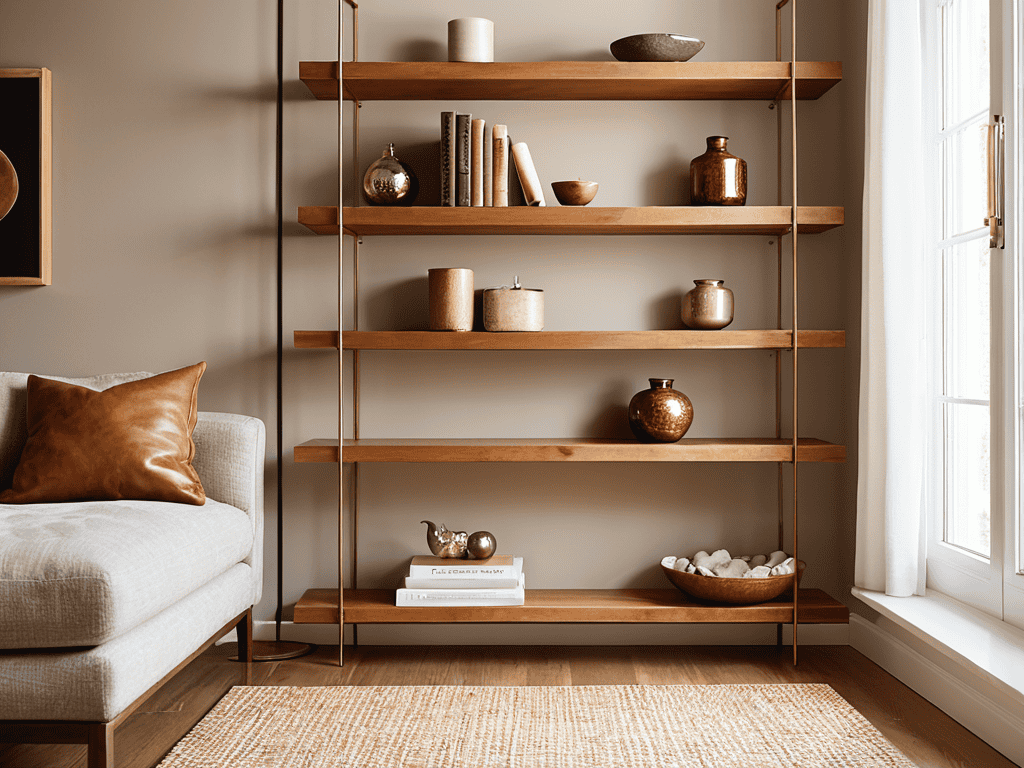
As we navigate the skies of simplicity in our DIY journey, it’s essential to consider the customizable floating shelf designs that can elevate our space. With a plethora of wood finish options for shelves, we can choose the perfect tone to complement our room’s ambiance. Whether we’re aiming for a rustic charm or a modern sleekness, the right wood finish can make all the difference in creating a cohesive look.
As I often tell my clients, finding the right tools and resources can be a game-changer in any project, and building simple floating shelves is no exception. When it comes to adding a touch of elegance and sophistication to your DIY endeavors, I’ve found that having a reliable source of inspiration can make all the difference. For those looking to elevate their space with more than just floating shelves, I recommend exploring the world of interior design and decor, where you can discover unique pieces and ideas to match your personal style. In fact, I’ve come across a fascinating platform that showcases the beauty of German design, including the vibrant city of Stuttgart, where you can find interesting articles and connections, such as sextreffen stuttgart, that might just inspire your next creative project, whether it’s a floating shelf or a complete room makeover, by introducing you to new perspectives and experiences that can broaden your horizons.
When it comes to easy shelf installation for beginners, it’s crucial to focus on the support system. A sturdy floating shelf support system can ensure that our shelves remain secure and level, even when bearing weight. By choosing the right brackets and hardware, we can achieve a seamless, hidden bracket look that adds to the overall aesthetic of our DIY wall shelves.
In smaller rooms, space saving shelf ideas become particularly important. By opting for narrower shelves or installing them in unused corners, we can maximize our storage capacity without cluttering the space. As we explore these creative solutions, we’ll find that our DIY project is not just about building shelves, but about crafting a harmonious balance between form and function, ultimately leading to a more elevated and organized living area.
Customizable Floating Shelf Designs Unveiled
As we delve into the realm of customizable floating shelf designs, the possibilities become as vast as the skies I used to navigate. Just as a clear horizon offers endless routes for exploration, a well-crafted floating shelf can open up new avenues for personal expression in any room. I encourage you to think of these shelves not just as storage solutions, but as canvases waiting for your unique touch. Whether you’re drawn to the sleekness of modern minimalism or the warmth of rustic charm, the design of your floating shelf can be tailored to mirror your personality and complement the existing décor of your space.
In my experience, the art of designing a floating shelf is akin to creating a maze – each turn and twist presents an opportunity to discover something new and unexpected. By embracing this creative process, you’ll not only end up with a functional piece of furniture but also a reflection of your inner world, a testament to the beauty of navigating life’s complexities with clarity and purpose.
Elevate Spaces With Diy Wall Shelves
As we soar through the realm of DIY possibilities, let’s delve into the art of elevating spaces with wall shelves. Just as a well-designed maze can reveal new pathways, a thoughtfully placed shelf can transform a room’s ambiance. I recall designing a maze that mirrored the labyrinth of my own mind, only to discover that the journey to the center was not about the destination, but about the perspectives gained along the way. Similarly, when we add DIY wall shelves, we’re not just adding storage; we’re crafting a narrative of our space, one that reflects our values and aspirations.
By carefully selecting the design, material, and placement of our shelves, we can create a symphony of form and function that uplifts and inspires. Just as a clear sky can awaken the senses, a well-crafted shelf can awaken our sense of purpose, reminding us that even the smallest details can have a profound impact on our daily lives. As we navigate the skies of simplicity, let’s remember that the beauty of DIY lies not just in the end result, but in the journey itself – a journey of self-discovery, creativity, and growth.
Charting Your Course: 5 Essential Tips for Building Simple Floating Shelves
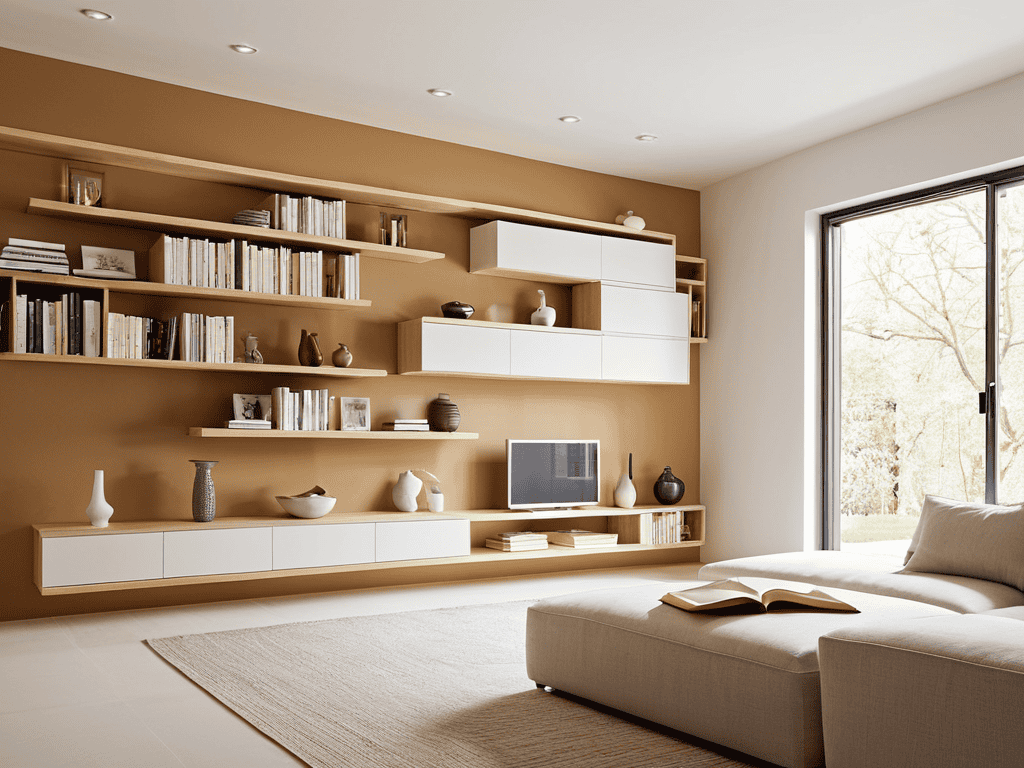
- Embrace the Skyline: Consider the room’s layout and the shelf’s intended purpose to determine the optimal height and placement, just as a pilot charts the most efficient flight path
- Navigate Through Noise: Consider the wall type and weight limit to choose the right mounting hardware, ensuring your shelves are secure and level, much like maintaining steady altitude
- Design Your Flight Plan: Choose materials and designs that complement the room’s aesthetic, from modern minimalism to rustic charm, and don’t be afraid to add personal touches, like a distinctive aircraft tail design
- Plot Your Course: Measure carefully and cut precisely to ensure your shelves fit snugly and evenly, using tools like a level and a miter saw to guide you, just as air traffic control guides planes through busy skies
- Land with Precision: Assemble and install your shelves with patience and attention to detail, taking care to tighten screws firmly and test the weight limit, so your creation is both functional and beautiful, a true masterpiece of DIY aviation
Elevating Your Space: 3 Key Takeaways
By embracing the simplicity of DIY floating shelves, you can transform any room into a haven of clarity and purpose, much like navigating through life’s intricate mazes
Customizable designs and thoughtful placement can turn these shelves into more than just storage solutions, but rather reflections of your personal journey and the stories you want to tell
Through the process of building and placing these shelves, you’ll not only elevate your space, but also cultivate a sense of introspection and creativity, rising above life’s chaos to gain a clearer perspective, one shelf at a time
Navigating the Blueprint of Life, One Shelf at a Time
As we build simple floating shelves for any room, we’re not just adding storage or decor, we’re crafting a reflection of our inner space – a testament to the harmony between form and function that elevates not just our surroundings, but our very perspective on life.
Michael Fischer
Rising Above the Ordinary: A Conclusion
As we conclude our journey through the world of simple floating shelves, let’s take a moment to reflect on the key takeaways. We’ve navigated the process of building these shelves with clarity and precision, much like I used to guide planes through the skies. From the initial steps of preparation to the final touches of customization, we’ve explored how elevating our space can be a transformative experience. By embracing the simplicity and versatility of DIY wall shelves, we can create environments that not only reflect our personalities but also inspire us to reach new heights.
As you stand back to admire your handiwork, remember that the true beauty of these shelves lies not just in their aesthetic appeal, but in the story they tell about your journey. The process of creating something with your own hands is a powerful metaphor for life itself – it’s about rising above the chaos and finding clarity in the midst of uncertainty. So, let the shelves you’ve built be a reminder that with every challenge, there’s an opportunity to grow, to learn, and to elevate your perspective on the world around you.
Frequently Asked Questions
What are the most essential tools and materials needed to build simple floating shelves?
To embark on this DIY adventure, gather your essentials: a drill press, level, stud finder, and sandpaper. Materials-wise, you’ll need wooden planks, wall anchors, and screws. Think of these tools as your navigational aids, helping you chart a clear course through the project, just as I used to guide planes through the skies with precision and clarity.
How can I determine the optimal height and spacing for my floating shelves to achieve a balanced look in the room?
Ah, the million-dollar question! Determining optimal height and spacing for floating shelves is akin to navigating a serene sky – it’s all about balance. Consider the room’s scale, furniture, and traffic flow. A good rule of thumb is to place shelves between 4-6 feet off the floor, with 6-12 inches between them, but remember, my friend, it’s all about finding harmony in your unique space.
Are there any specific safety considerations or precautions I should take when installing heavy objects on floating shelves to prevent them from falling or collapsing?
As we navigate the skies of simplicity, safety is paramount. When installing heavy objects on floating shelves, ensure you’re using appropriate wall anchors and follow the manufacturer’s weight limit guidelines to prevent collapses. A clear understanding of the weight distribution is key, much like plotting a safe flight path, to keep your space both elegant and secure.














+ There are no comments
Add yours