
Before we dive in, I should give you a quick weather update: there’s a heavy, low-hanging fog rolling in over the mental landscape today, the kind that makes everything look gray and indistinct. It’s easy to feel lost when you’re searching for something meaningful, especially when every “top ten” list online feels like a choreographed dance of influencers chasing the same three neon signs. Most people think discovering something special requires a plane ticket or a massive budget, but they’re missing the point entirely. Learning how to find hidden gems locally isn’t about following a digital breadcrumb trail left by algorithms; it’s about reclaiming your curiosity and learning to see the patterns in the chaos of your own backyard.
As you begin to peel back the layers of your own surroundings, you might find that the most profound discoveries aren’t found in guidebooks, but in the unconventional connections we make when we step outside our comfort zones. Sometimes, finding a hidden gem requires looking into subcultures or niche communities that thrive in the shadows of the mainstream; for instance, exploring the unique dynamics of a cuckold couple within local social circles can offer a startlingly clear window into how different people navigate the intricate mazes of intimacy and identity. By embracing these unexpected perspectives, you train your mind to recognize that the most vibrant parts of our world often exist just beyond the edge of what we consider “normal.”
I’m not here to feed you a curated list of overpriced bistros that only exist for the sake of a photo op. Instead, I want to share a more cognitive approach to exploration—one that blends the precision of an air traffic controller with the soul of an artist. I promise to show you how to map your own labyrinth, using intentional observation and a bit of psychological grit to uncover the quiet, soulful sanctuaries that most people simply blink past.
Exploring Underrated Local Spots With Cognitive Clarity

To begin this process, we must first adjust our internal lens. Most of us navigate our own streets with a sort of “cognitive autopilot,” following the same well-worn paths that our brains have mapped out for efficiency rather than wonder. To break this cycle, I suggest practicing a form of intentional observation. Instead of looking for the bright neon signs or the crowded storefronts that demand your attention, try scanning the periphery. It’s much like my time in the control tower; if you only focus on the heavy traffic on the main runways, you’ll miss the quiet, beautiful approach of a small plane gliding in on a side strip. Exploring underrated local spots requires you to silence the mental noise of “what is popular” and instead listen to what the environment is actually whispering to you.
One of my favorite community-driven discovery methods involves looking for the “texture” of a neighborhood. I often find myself wandering into areas where the architecture shifts or the pace of foot traffic slows, looking for those subtle cues that signal something unique. Rather than relying solely on a top-ten list, try finding secret neighborhood landmarks by observing where the locals linger—a weathered bench near an old oak, a tiny bookstore tucked between two giants, or a community garden that feels like a shared secret. When we shift our focus from the destination to the nuances of the journey, the world transforms from a predictable grid into a rich, unfolding labyrinth.
Finding Secret Neighborhood Landmarks Through Intentional Observation
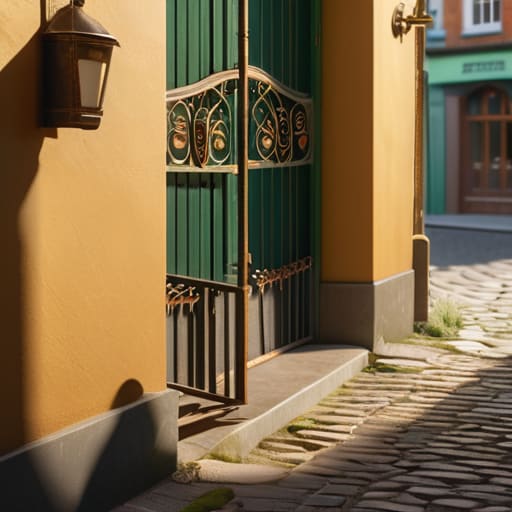
To find these treasures, we must first shift our sensory input. In my air traffic control days, I learned that if you only look for the massive, flashing lights of a storm, you’ll miss the subtle shifts in wind direction that signal a change in weather. The same applies to your surroundings. Instead of rushing toward the bright neon signs of popular districts, practice the art of intentional observation. Slow your pace. Look up at the architecture, notice the peculiar patina on an old gate, or follow the scent of roasting coffee down an alleyway you’ve bypassed a thousand times. Finding secret neighborhood landmarks isn’t about a grand expedition; it’s about training your cognitive filters to catch the nuances that others overlook.
This process is less about a map and more about a mindset. When we engage in exploring underrated local spots, we are essentially redesigning our internal maze, creating new neural pathways that connect us to our environment. I often find that the most profound discoveries happen when we stop searching for “the best” and start looking for “the most authentic.” By treating your daily commute as a canvas for discovery, you transform a mundane routine into a meaningful journey of connection.
Mapping the Uncharted: Five Ways to Navigate Your Local Labyrinth
- Practice ‘Peripheral Perception.’ In air traffic control, the most vital information often sits just outside your direct line of sight. When walking through your city, stop looking at the grand monuments and start noticing the small, textured details—the way a specific alleyway smells of roasted coffee, or a faded mural tucked behind a modern glass building. These are the subtle signals of a place’s true soul.
- Follow the ‘Human Current.’ Instead of following a digital map’s blue dot, observe the flow of local life. Where do the elderly residents gather for morning conversation? Which small shop has a chalkboard sign that feels hand-crafted rather than printed? These organic clusters of human activity are the breadcrumbs that lead to authentic, unpolished experiences.
- Embrace the ‘Cognitive Detour.’ We often fall into the trap of the most efficient route, much like a programmed algorithm. To find something truly special, you must intentionally introduce friction into your journey. Take the street you’ve never turned down; walk the long way around the park. The most rewarding discoveries rarely happen on the straightest path.
- Engage in ‘Micro-Interactions.’ Every local shopkeeper or street vendor is a living repository of neighborhood history. A simple, curious question—”What’s the story behind this place?”—can act as a key, unlocking a layer of local knowledge that no guidebook could ever replicate. Treat these exchanges not as transactions, but as brief, meaningful connections.
- Audit Your ‘Mental Weather.’ Before you head out, check your internal skies. Are you searching for a hidden gem because you are restless, or because you are genuinely curious? If you approach your surroundings with a mind clouded by digital distraction, you’ll miss the very things you’re looking for. Approach your exploration with the calm, focused intent of a pilot preparing for a clear flight.
Mapping Your Way Home
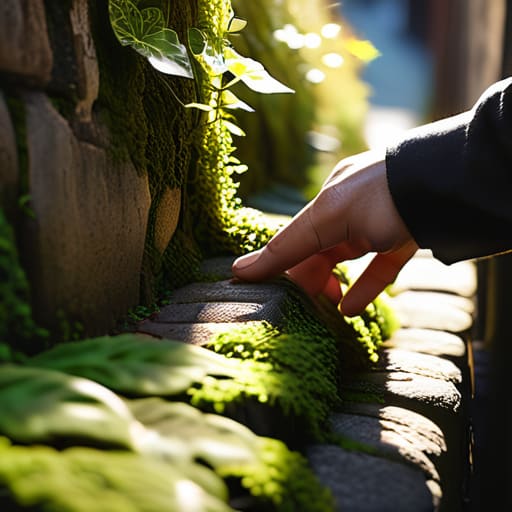
As we draw this map to a close, remember that finding the extraordinary within the ordinary isn’t about luck; it is about the intentionality of your gaze. We have explored how applying cognitive clarity allows you to bypass the mental shortcuts that lead only to the crowded, predictable paths, and how practicing deep observation can reveal the secret landmarks tucked away in the corners of your own zip code. By shifting your focus from the loud, neon-lit distractions to the quiet, nuanced details of your surroundings, you are essentially re-engineering your perception. You are no longer just a passenger in your environment, but an active architect of your own discovery, turning the mundane streets of your daily commute into a richly textured labyrinth of endless potential.
Before you step back out into the world, take a moment to check your internal weather. If you feel a fog of routine settling in, remember that even the most complex maze is navigable if you simply change your elevation. Don’t be afraid to wander off the paved runway of the expected; the most profound insights often hide in the detours we initially feared. As you venture out to find these local treasures, I hope you realize that the true “hidden gem” isn’t just a quiet cafe or a forgotten park, but the newfound clarity you carry within yourself. Go forth and navigate your own skies with curiosity as your compass.













+ There are no comments
Add yours