I remember standing ankle-deep in debris in what was supposed to be my first profitable flip, wondering how I managed to turn a perfectly good Saturday into a scene from a low-budget disaster film. The truth is, I had no clue what I was doing, but I was lured in by those glossy TV shows that make flipping look like a quick ticket to easy money. Spoiler alert: they lie. My initial foray into house flipping was less about picking paint colors and more about begging the plumbing gods for mercy as I learned the hard way that “as-is” really meant “good luck, sucker.
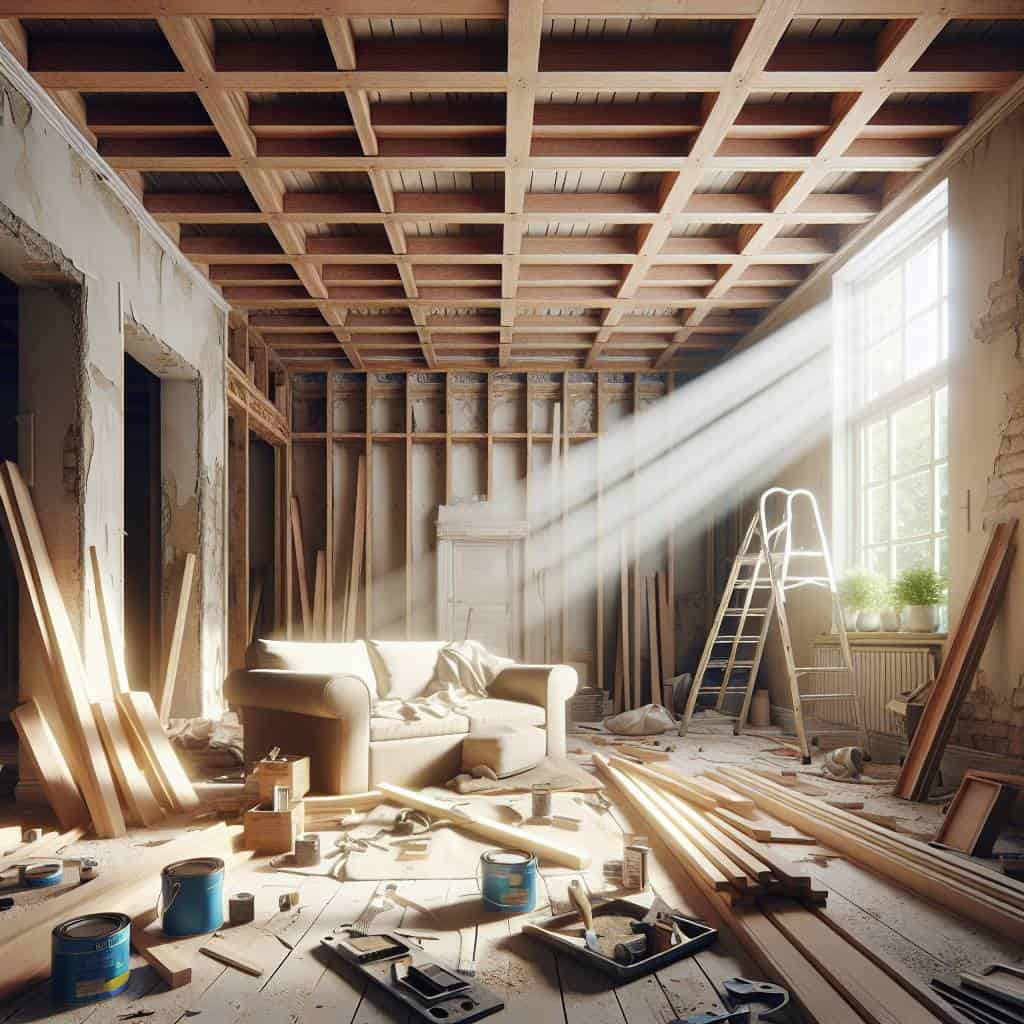
But let’s cut to the chase—you’re here because you’re toying with the idea of flipping houses, or maybe you’re already knee-deep in your own nightmare reno. Either way, I’ve been there, and I’m here to help you navigate the chaos. We’ll dive into the gritty details of finding deals that won’t bankrupt you, managing a renovation budget that doesn’t spiral out of control, and understanding market analysis without the fluff. We’ll even tackle the elusive 70% rule that everyone tosses around like it’s some kind of real estate gospel. Stick with me, and I’ll make sure your first flip doesn’t end with you crying into a pile of broken tiles.
Table of Contents
- The Art of Finding That Elusive Diamond in the Rough
- When a ‘Great Deal’ is Just a Chipped Cup
- The 70% Rule: The Myth, The Legend, The Spreadsheet
- Why Your Dream Of House Flipping Might Just Be A Nightmare
- The Brutal Truths About Your First House Flip
- The Brutal Truth About Your First Flip
- The Brutal Truth Behind Flipping Houses: FAQs You Didn’t Know You Needed
- The Brutal Reality of the First Flip
The Art of Finding That Elusive Diamond in the Rough

Let’s get one thing straight: finding that elusive diamond in the rough is not like stumbling upon a hidden treasure chest. It’s more like wading through a swamp of overpriced, rundown properties that sellers are all too eager to dump on the next unsuspecting fool. But, if you’re smart—and I know you are—there’s a method to the madness. It starts with understanding the neighborhood market like the back of your hand. You need to know what the locals crave in a home, and more importantly, what they’re willing to pay for it. This isn’t about wishful thinking; it’s about cold, hard data. So, grab the recent sales reports, analyze those numbers, and figure out where you can score a deal that aligns with the 70% rule. In case you’ve been living under a rock, that’s buying a property at 70% of its after-repair value minus renovation costs. Miss this step, and you might as well kiss your profits goodbye.
Next, brace yourself for the renovation rollercoaster. The properties you’re targeting aren’t going to win any beauty pageants. They’re the ones with peeling paint, creaky floors, and kitchens straight out of grandma’s heyday. But beneath that ugly exterior lies potential—potential that you need to unlock without breaking the bank. Keep your renovation budget tight, but don’t be the cheapskate who cuts corners. You’ll need a keen eye for what buyers will notice and what they’ll forgive. Think fresh paint, modern fixtures, and enough curb appeal to make the nosy neighbors do a double-take. Nail this, and you might just turn that frog of a house into a princely profit. And remember, every misstep is just another lesson in the school of hard knocks. So, get out there, make your mistakes, and find that diamond. Just maybe keep a box of tissues handy for those first few flips.
When a ‘Great Deal’ is Just a Chipped Cup
You know the feeling—you stumble upon what looks like a killer deal. A vintage teacup, perhaps, with a price tag that screams bargain. But take a closer look, and you find a chip on the rim. That’s life telling you, “Hey, buddy, not so fast.” It’s like those “too good to be true” offers we see all the time. You think you’ve found a gem, but all you’ve got is a chipped cup masquerading as a masterpiece.
Here’s the deal: the world is full of these so-called great deals, and they’re a dime a dozen. The trick is not to get dazzled by the sticker price but to see the imperfections for what they are. A chipped cup might still hold tea, but it won’t hold value. It’s all about seeing the potential beyond the imperfection—or knowing when to walk away. Because sometimes, chasing that elusive diamond in the rough means you end up with nothing but a collection of chipped cups. And trust me, your shelf space is better used for something that’s actually worth it.
The 70% Rule: The Myth, The Legend, The Spreadsheet
Ever heard of the 70% Rule? It’s that golden ratio whispered about in real estate circles like some age-old mantra. The idea is simple: buy a property at 70% of its after-repair value minus the cost of repairs. Sounds like a foolproof strategy, right? Well, not so fast. This rule is more myth than magic. In reality, it’s a guideline at best, a crutch at worst. Local market conditions, hidden repair costs, and those pesky unexpected expenses—trust me, they love to surprise you—can quickly turn that 70% dream into a spreadsheet nightmare. So, before you blindly trust this so-called legend, remember: no spreadsheet formula can replace good old-fashioned due diligence and a healthy dose of skepticism.
And let’s talk about that spreadsheet. It’s not some mystical artifact that will reveal the perfect investment. It’s just a tool, and like any tool, it’s only as good as the person using it. You can plug in numbers all day, but if you’re not factoring in the reality of your market, you’re just playing pretend. I’ve seen too many folks get caught up in the allure of a neat formula, only to find themselves knee-deep in an overpriced fixer-upper. So, use your spreadsheet, sure. But don’t let it become your blindfold. Keep your eyes open, ask the tough questions, and don’t let a mythical rule dictate your decisions.
Why Your Dream Of House Flipping Might Just Be A Nightmare
- Brace yourself for reality: Finding deals that aren’t a total money pit is like hunting for unicorns—rare and mostly mythical.
- Remember the 70% rule? It’s not some magical formula that guarantees profit, but a rough guide that often ends up in the trash when real renovation costs hit.
- Market analysis isn’t for the faint of heart—be ready to dive into a sea of data and still come up gasping for clarity.
- Renovation budgets have a mind of their own, so expect them to balloon like a carnival balloon animal gone rogue.
- Your ‘gut feeling’ about a property’s potential is probably lying to you—stick to cold, hard numbers or prepare to kiss your savings goodbye.
The Brutal Truths About Your First House Flip
Stop dreaming about hidden gems at rock-bottom prices—they’re as rare as unicorns. The real deal is finding a property with potential that isn’t already picked clean by pros.
Budgeting for renovations? Double your estimate, then add a bit more for good measure. Every wall you open is a Pandora’s box of unexpected expenses.
The 70% rule isn’t a magic formula. It’s a guideline, and like all guidelines, it bends and breaks under real-world pressure. Trust your gut, but back it up with hard numbers—or prepare to learn the hard way.
The Brutal Truth About Your First Flip
In the world of house flipping, your spreadsheet’s fantasy will collide with reality the moment you swing that first hammer. The 70% rule isn’t just a guideline—it’s the only thing stopping your budget from becoming a black hole.
The Brutal Truth Behind Flipping Houses: FAQs You Didn’t Know You Needed
How do I actually find a good deal on a house to flip?
Forget the fairy tales. Finding a deal means getting your hands dirty. Scour foreclosures, auction sites, and those ‘ugly’ homes everyone ignores. The best deals are the ones others are too lazy to look for.
What’s this 70% rule everyone talks about, and does it really work?
The 70% rule is a guide, not a gospel. It says buy a property at 70% of its after-repair value minus renovation costs. But remember, markets change, and so should your approach. Use it as a starting point, not a crutch.
Is it possible to stick to a renovation budget, or is that a myth?
In theory? Sure. In reality, expect surprises. You’ll blow past your budget when walls hide mold or electrical issues rear their ugly heads. Be ready to pivot and keep a financial cushion for the unexpected chaos.
The Brutal Reality of the First Flip
So here we are, at the end of our little chat about house flipping. Let me tell you, the journey through this maze of real estate isn’t all sunshine and roses. It’s more like navigating a minefield with a blindfold on, hoping you don’t step on something explosive. You’ll meet your fair share of overpriced wrecks masquerading as ‘diamonds in the rough’ and sellers who think their crumbling shack is Buckingham Palace. But that’s the game. You learn to trust your gut, not just some spreadsheet or formula.
After you’ve fumbled your way through finding a deal, braced yourself for the renovation whirlwind, and tried to keep your budget from laughing in your face, you’ll come out the other end—hopefully—wiser and maybe even a bit richer. But remember, the 70% rule isn’t a magic wand. It’s more like a warning sign, telling you not to get too cozy with optimism. In the end, flipping houses is as much about knowing the market as it is about knowing yourself and your limits. So, steel yourself for the ride because, my friend, it’s a wild one.
Alright, so you’re diving headfirst into the world of flipping houses. Expect dust, chaos, and the occasional financial disaster. But let’s be real: it’s not all about dry walls and property values. Sometimes, you need a break from the hammering and spreadsheets, and what better way than to explore the vibrant social scene in Hessen? Whether you’re unwinding after a long day of renovations or simply seeking some genuine human connection, check out Sexkontakt Hessen. It’s one of the best places to meet interesting people in the area. Because sometimes, the best deals aren’t found in real estate listings.














+ There are no comments
Add yours