I remember the first time I decided to jump on the urban compost collection bandwagon. Armed with a shiny green bin and a misguided sense of eco-warrior pride, I thought I was single-handedly saving the planet. But reality hit hard when I realized my neighbors were giving me the side-eye for lugging a smelly container to the curb. Truth be told, my composting attempts often felt more like a battle against fruit flies than a noble environmental contribution. Yet, there I was, determined to make my tiny corner of suburbia just a little greener, even if it meant enduring the not-so-subtle judgment of my fellow suburbanites.
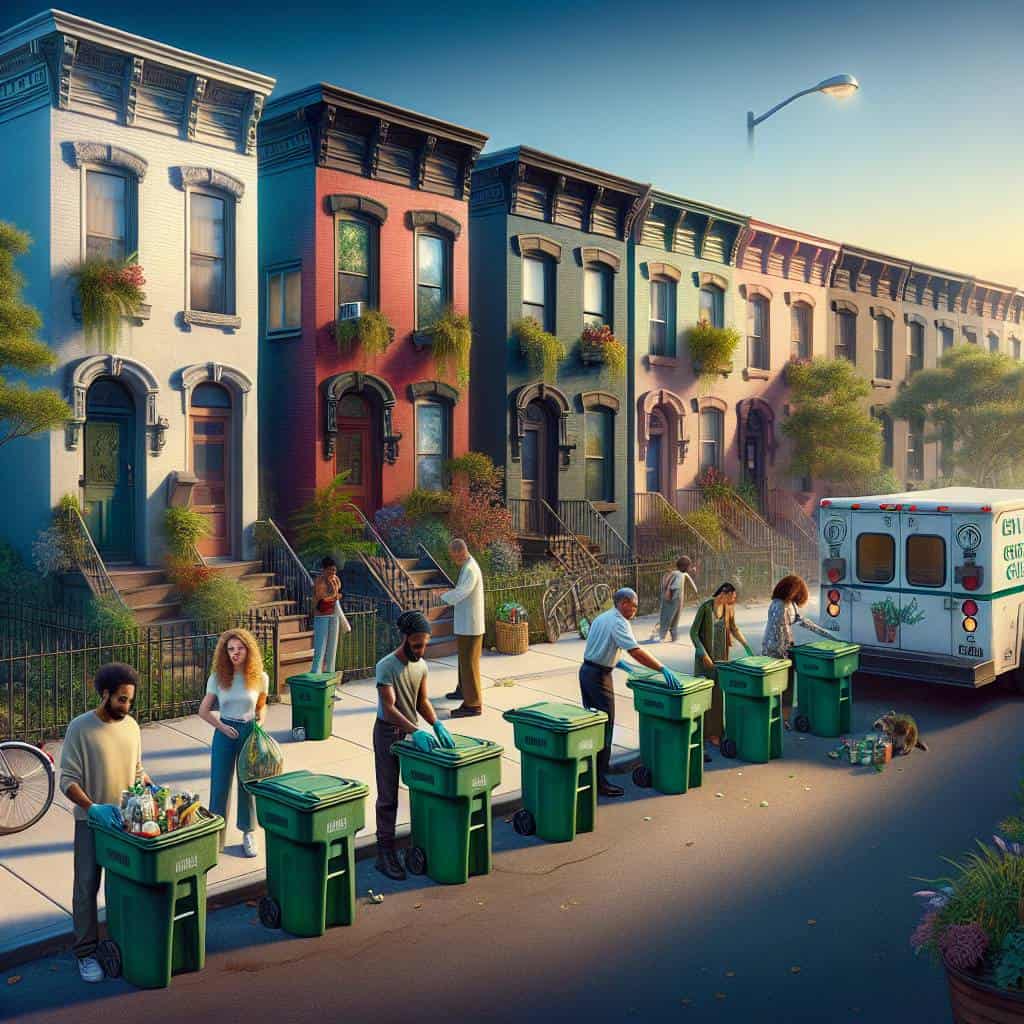
Let’s be honest, urban compost collection is one of those things that sounds great in theory but is often a logistical nightmare. In this article, let’s cut through the nonsense and explore the gritty reality behind curbside pickups and those elusive drop-off spots. We’ll delve into the chaos of overflowing green bins and the unspoken hierarchy of composting etiquette. So, if you’re ready to laugh, cringe, and maybe learn a thing or two about turning kitchen scraps into something useful, stick around. We’ve got a lot to unpack, and it’s going to be anything but conventional.
Table of Contents
The Unexpected Romance of Curbside Composting: Love at First Pickup
My love affair with curbside composting began not in a fairy-tale garden, but rather on a cracked asphalt street, with the clatter of green bins and the rumble of a truck that seemed more mechanical beast than eco-hero. Now, before you roll your eyes, hear me out. There’s something ridiculously enchanting about watching my kitchen scraps transform from yesterday’s wilted lettuce to tomorrow’s soil gold—all thanks to a simple curbside pickup. It’s like a little love note to the earth, written in coffee grounds and eggshells, whispering, “We can do better.
But let’s not kid ourselves. The romance isn’t in the act of lugging out that bin, hoping it doesn’t smell like a week-old science experiment. It’s in the promise of transformation. The unexpected beauty of watching urban life sync with nature’s rhythm. Every time that truck swings by to collect our discarded peels and scraps, it feels like a secret handshake between us city dwellers and the planet. It’s the ultimate slow dance of sustainability, right there on the curb, proving that even in the hustle of urban chaos, we can find moments of connection.
Sure, it’s easy to dismiss curbside composting as just another green trend, another checkbox on the city’s never-ending list of ‘eco-friendly initiatives.’ But once you start seeing those green bins not just as waste collectors but as little vessels of potential, something changes. It’s love at first pickup, where each drop-off spot becomes a tiny revolution, and every bin is a testament to our collective desire to turn waste into wonder. So, yes, call me a romantic, but I’ll take this unexpected fling with composting any day.
So, while we’re all busy sorting our leftovers into those neat little compost bins, let’s not forget the diversity of life that thrives beyond our kitchen scraps. Take, for instance, the vibrant community of Alicante. It’s a place where tradition meets the unexpected, much like our urban compost obsession. And speaking of unexpected, if you ever find yourself curious about the local scene or simply in search of interesting conversation, check out Putas de Alicante. Because sometimes, the connections we make outside of our comfort zone—whether through compost or conversation—are the ones that truly enrich our lives.
When Green Bins Became More Than Just a Sidewalk Accessory
Ever noticed how those green bins have quietly become the crown jewels of our curbside collection? Once mere passive participants in the waste parade, they’ve now taken center stage, demanding attention like the Oscar-winning compost containers they are. It all started when I realized that these bins were not just collecting scraps; they were cultivating a movement. The moment hit me as I watched my neighbor, who usually couldn’t care less about recycling, meticulously separate his coffee grounds from the rest of his trash. It was as if the green bin had whispered some secret that only he could hear.
But let’s not kid ourselves—this shift was never just about environmental duty. No, it was the subtle allure of participating in something larger than ourselves, a community romance of sorts. Suddenly, tossing your veggie peels into that green bin felt like casting a vote for the planet’s future. A small, radical act of rebellion against the throwaway culture. And how could we resist? These bins may have started as sidewalk accessories, but they’ve become badges of honor, each one a tiny testament to our evolving relationship with waste.
The Secret Life of Drop-off Spots: Where Magic Happens
There’s something oddly enchanting about these unassuming drop-off spots, isn’t there? A patch of pavement, a few bins, and suddenly you’ve got the stage set for a quiet revolution. But there’s more to these spots than meets the eye. It’s here, in these humble corners of our neighborhood, that the real magic happens. Picture this: a place where yesterday’s wilted lettuce and coffee grounds begin their transformation into tomorrow’s fertile soil. It’s the alchemy of life cycles—an everyday miracle that most of us pass by without a second glance. Yet, these spots are the unsung heroes of curbside composting, silently orchestrating the dance of decay and renewal.
You see, drop-off spots are where the romance of composting truly comes alive. They’re the backstage, where the spotlight isn’t on the glitzy promise of sustainability, but on the gritty, uncelebrated work that makes it possible. It’s in these quiet spaces that community bonds are forged. Neighbors exchange nods, swap stories of their latest garden triumphs, and perhaps even share a laugh over a particularly stubborn avocado pit. It’s a microcosm of connection and care, a reminder that even in the bustle of suburban life, there’s room for a little bit of magic. So next time you pass by, take a moment to appreciate the secret life of these spots. They might just inspire you to see the world—and your leftovers—in a whole new light.
The Green Bin Illusion
We parade our green bins to the curb, convinced we’re saving the planet, but let’s be honest—it’s just a different shade of trash day.
Urban Compost Conundrums: Breaking Down the Green Bin Myth
Why should I bother with curbside compost pickup?
Let’s face it, most of us do it because it’s easier than admitting we don’t know how to compost. But if we’re honest, it’s a small step towards reducing landfill waste, even if it feels like a drop in a very big bucket.
Where can I find drop-off spots for my compost?
They’re tucked away like hidden treasures, right next to those ‘playground’ parks nobody visits. Check local community centers or farmers’ markets, but be ready for odd looks as you haul your precious organic waste.
What’s the deal with these green bins?
Ah, the infamous green bins. They’re the public face of our composting ‘efforts’, sitting pretty on the curb every week. Just remember, filling them up is only half the battle; what happens next is another story entirely.
The Messy Art of Urban Composting
As I stand at the edge of my driveway, watching the green bin waiting for its weekly pickup, I can’t help but chuckle at the absurdity of it all. This ritual, this dance with decay, has become an unlikely companion in my suburban saga. It’s a reminder that while we might crave neat resolutions and polished endings, life—and compost—is rarely tidy. The banana peels and coffee grounds we discard tell a story of meals shared and mornings hurried, each piece a fragment of something larger and more meaningful.
In this patchwork of leftovers and lawn clippings, I’ve found a peculiar kind of beauty. It’s not about saving the world with grand gestures but rather embracing the small, imperfect steps. So here’s to the mess, the green bins, and the early morning pickups that force us to confront our consumption, our waste, and ultimately, ourselves. Perhaps in these quiet, messy moments, we find a sliver of truth: that the journey to sustainability is less about perfection and more about persistence. And maybe, just maybe, that’s enough.














+ There are no comments
Add yours