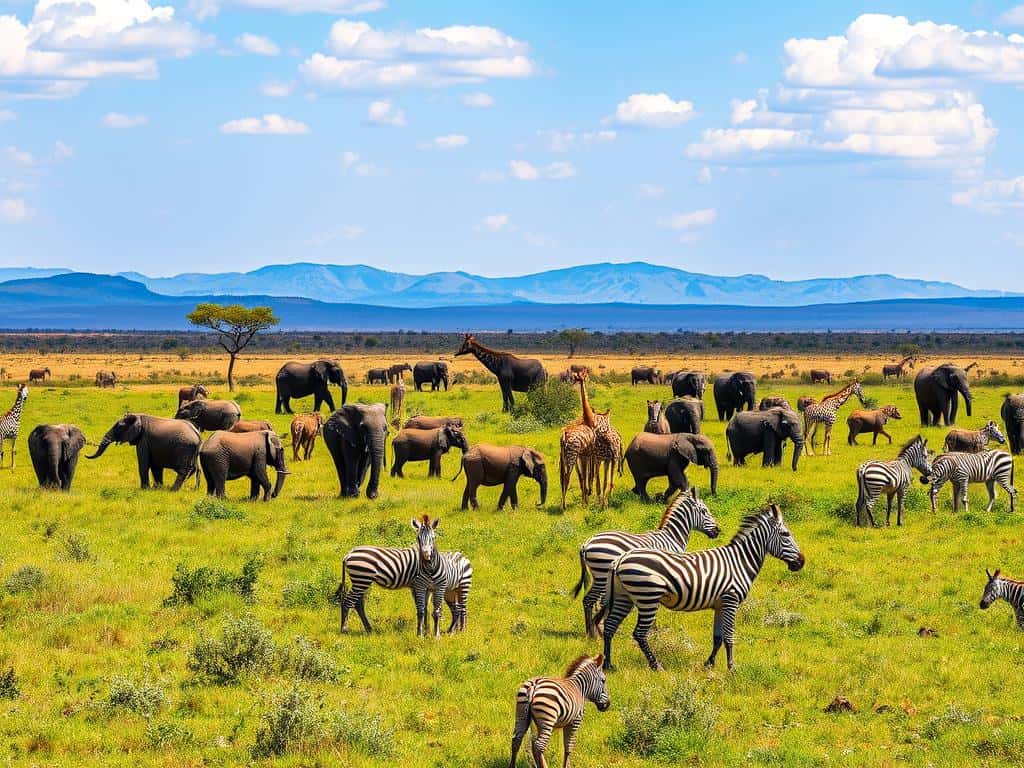
Did you know that about 1 million animal and plant species face extinction worldwide? This is a big problem that needs our help. One way to make a difference is through Wildlife Conservation Travel. By exploring nature and helping out, we become more than just travelers. We become change-makers.
These trips let us see how ecosystems work together. We also get to connect with local communities. And we make a real difference that lasts long after we leave.
By doing things like tracking animals and fixing their homes, we help save endangered species. We also learn to love our planet’s variety of life even more.
Working at night to watch animals or helping with vet care in places like Tanzania and Jamaica is rewarding. It takes a lot of effort and a true love for animals. The best part is, we don’t just learn from these experiences. We also help start conservation efforts that local communities can follow.
Key Takeaways
- Wildlife conservation trips offer hands-on experiences that help endangered species.
- Volunteers play a critical role in the success of conservation initiatives.
- Understanding local cultures enhances the impact of eco volunteering efforts.
- Most wildlife conservation projects require a genuine interest in animal welfare.
- The success of conservation efforts is increasingly tied to community engagement.
- Wildlife monitoring and habitat restoration are key components of these trips.
Understanding Wildlife Conservation Travel
Wildlife Conservation Travel is key to protecting our planet’s ecosystems and wildlife. It brings together people and groups working towards big conservation goals. By doing hands-on work, travelers help animals and keep habitats healthy. Knowing what these trips involve helps people make a real difference.
The Purpose and Importance of Wildlife Conservation
Wildlife Conservation Travel aims to keep species diverse and safe from human harm. These trips let people help with tasks like fixing habitats and caring for injured animals. Seeing the impact of conservation work up close is powerful.
Common Misconceptions About Wildlife Conservation Trips
Many think these trips are just for fun, with lots of animal cuddling and luxury stays. But, they’re really about serious work and caring for the environment. Volunteers learn to respect wildlife by observing and studying, not just touching them. It’s hard work that requires commitment and a strong will.
What to Expect on a Wildlife Conservation Trip
Conservation trips are often tougher than expected. They involve early starts and long days of work. As a volunteer, you’ll do many tasks that need you to be flexible. Even though the living conditions might be simple, the goal is to help the environment, not relax.
Types of Wildlife Conservation Opportunities Available
There are many wildlife conservation chances around the world, for all kinds of interests and skills. You can help animals in sanctuaries or work on ocean projects. Places like International Volunteer HQ offer programs that fit your interests and skills, so you can find a meaningful experience.
Choosing the Right Wildlife Conservation Travel Experience
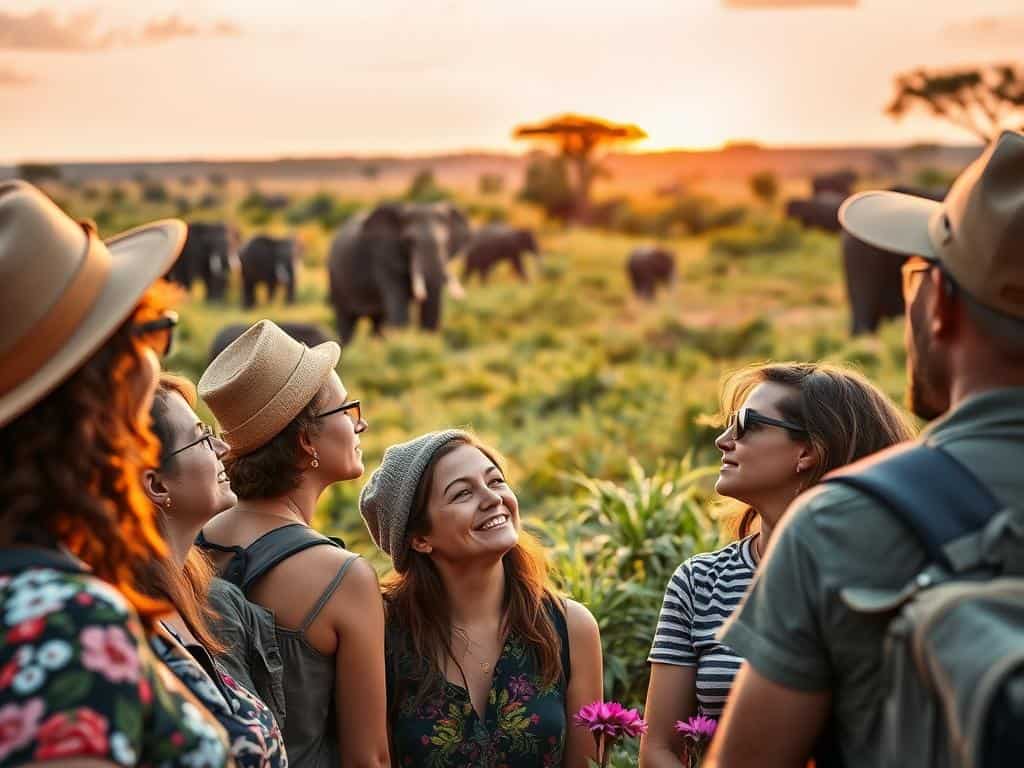
When looking into wildlife conservation travel, it’s key to think about what you’re interested in and what you’re good at. Knowing what you love about wildlife conservation helps you find projects that match your passions. This way, you can make a real difference in sustainable conservation.
Evaluating Personal Interests and Skills
My wildlife skills help me pick the right programs. Some need science knowledge, while others require good communication for working with communities. Knowing your strengths helps you feel confident and valuable in your role.
Assessing Project Affiliations and Local Community Impact
It’s important to check the project affiliations of conservation efforts. I look into the organizations to make sure they’re ethical and care about the community. This way, I support projects that help communities and protect wildlife.
Understanding Responsibilities and Requirements
Before going on my trip, I need to know what’s expected of me. This includes physical tasks, time commitment, and any training needed. Some projects might challenge you, but it’s a chance to grow. Being fully engaged and preparing for travel makes your experience better and helps the project succeed.
Conclusion
Traveling for wildlife conservation is more than just seeing new places. It’s a chance to make a real difference. By joining eco volunteering efforts, I help protect endangered animals and their homes. For example, money from park entrance fees goes to stop poaching and keep ecosystems healthy.
My work with conservation also helps local people. Tourism boosts their income by up to 40%, creating jobs that protect nature. This shows how important it is to travel in a way that helps both wildlife and communities.
My travels show my dedication to being a global citizen. Each trip is not just fun but also helps the environment. I see the good that eco-friendly travel does, making every journey meaningful.
















+ There are no comments
Add yours