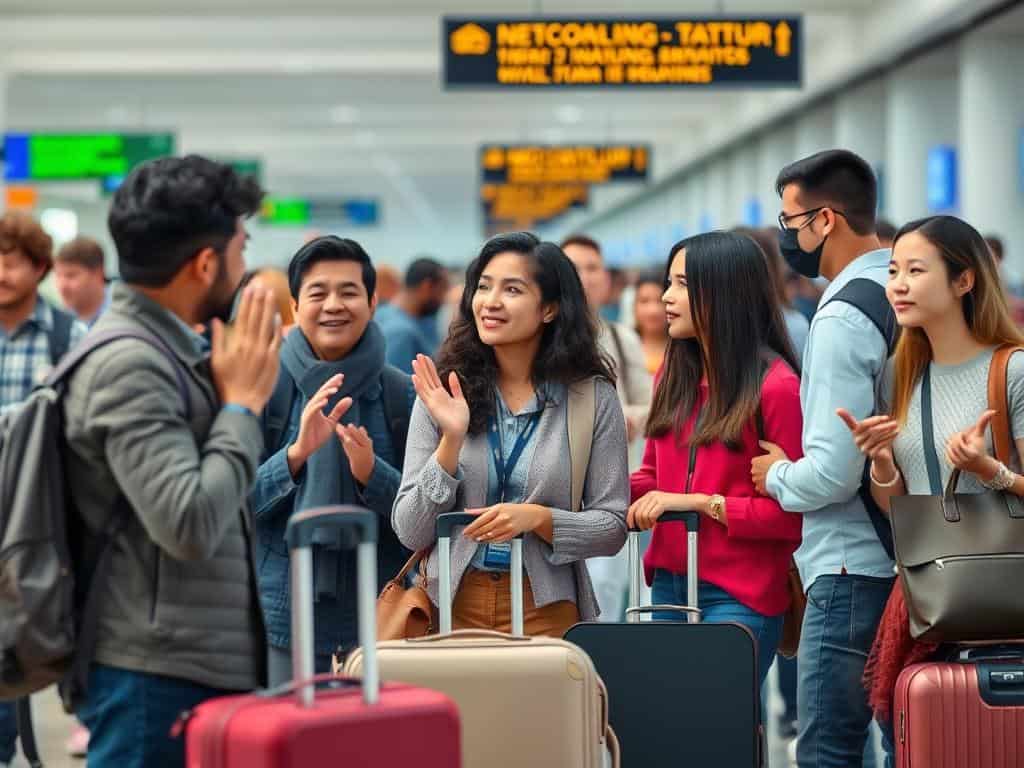
Did you know about 1.8 billion people worldwide follow strict hand use rules? This is true in Muslim and Hindu communities, where the left hand is seen as unclean. Knowing travel etiquette is key to showing respect in different places. It makes our travels better and helps us connect with locals.
By following local customs, we avoid awkward situations and hurt feelings. This guide will teach you important global tips. You’ll learn about dining and talking with people from other cultures. This knowledge makes your travels more enjoyable and meaningful.
Key Takeaways
- Understanding local customs is key for respectful interactions.
- Researching cultural norms helps avoid mistakes.
- Dining practices vary by culture, affecting meal enjoyment.
- Respecting personal space is important in conversations.
- Knowing about gift-giving traditions can improve social connections.
Understanding Cultural Respect in Travel
Learning about cultural respect is key for any trip. Before I go to a new place, I research local customs. This helps me feel more at ease when I’m there.
By preparing well, I avoid making cultural mistakes. In 2023, 78% of travelers said knowing cultural norms before a trip makes their interactions with locals better.
The Importance of Researching Local Customs
Learning about social norms, laws, and what to wear is important. For example, dressing modestly is a big help in conservative areas. About 65% of travelers found this helpful.
Being observant is also key. 72% of travelers said watching how locals behave helps them understand customs. And 87% of travelers think being culturally sensitive is important. Things like removing shoes indoors can make a place feel more welcoming.
Gift-Giving Traditions Around the World
When I travel, I also learn about gift-giving customs. Different cultures have different ways of giving gifts. Knowing how to give a gift can make a big difference in how it’s received.
In Japan and China, I avoid giving gifts in sets of four because it’s seen as unlucky. But in South Africa and New Zealand, sweets or chocolates are always welcome. Understanding these customs helps me show respect and makes my gifts appreciated.
Essential Travel Etiquette You Should Know
Good manners are key when traveling, more so in public areas. Each culture has its own set of rules for public behavior and travel etiquette. Knowing these differences makes your trip better and shows respect for the culture.
By watching how locals act, I learn how to behave without causing trouble. This helps me fit in and enjoy my travels more.
Mind Your Manners in Public Spaces
Being polite in public is vital, no matter where you are. I try to keep quiet in places like hotels or buses. Giving up my seat to the elderly or pregnant women shows kindness.
Following local rules, like waiting in line or following signs, makes everyone’s visit better. It’s all about enjoying your trip and learning from others.
Dining Etiquette: Fork or Chopsticks?
Dining manners change a lot from one place to another. Some use chopsticks, while others prefer forks and knives. I watch how people eat to learn the right way.
In some places, starting to eat without the host’s signal is rude. Adapting to local dining ways shows respect and makes meals more enjoyable.
Respect Personal Space and Physical Boundaries
Knowing about personal space is key in travel manners, and it varies a lot. In some areas, people stand farther apart when talking, while others get closer. Watching how locals interact helps me know how close is too close.
Gestures can mean different things too. For example, touching someone’s head is rude in some places, but shaking hands is common in the U.S. Being careful with gestures helps me make friends while traveling.
Conclusion
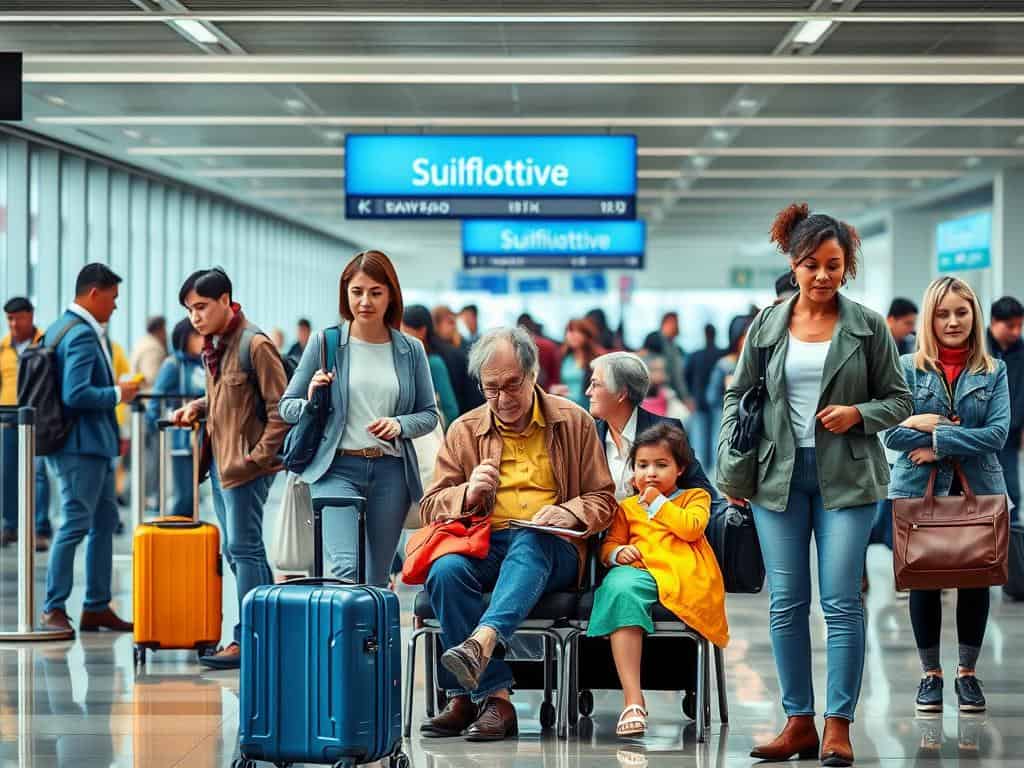
Reflecting on travel etiquette, I see it’s more than just being polite. It’s a key part of being a responsible traveler. Learning about different cultures helps me make my trips better. It lets me connect with locals in a meaningful way, creating unforgettable memories.
Studies show that travelers who learn local customs are often welcomed more warmly. Just knowing a few words or understanding dining rules can make a big difference. For example, being quiet and polite can make my stay more enjoyable and the service better.
Using these travel tips makes me more confident when exploring new places. By respecting local ways and practicing responsible tourism, I build connections. This not only broadens my understanding of the world but also fosters respect and kindness across cultures.
















+ There are no comments
Add yours