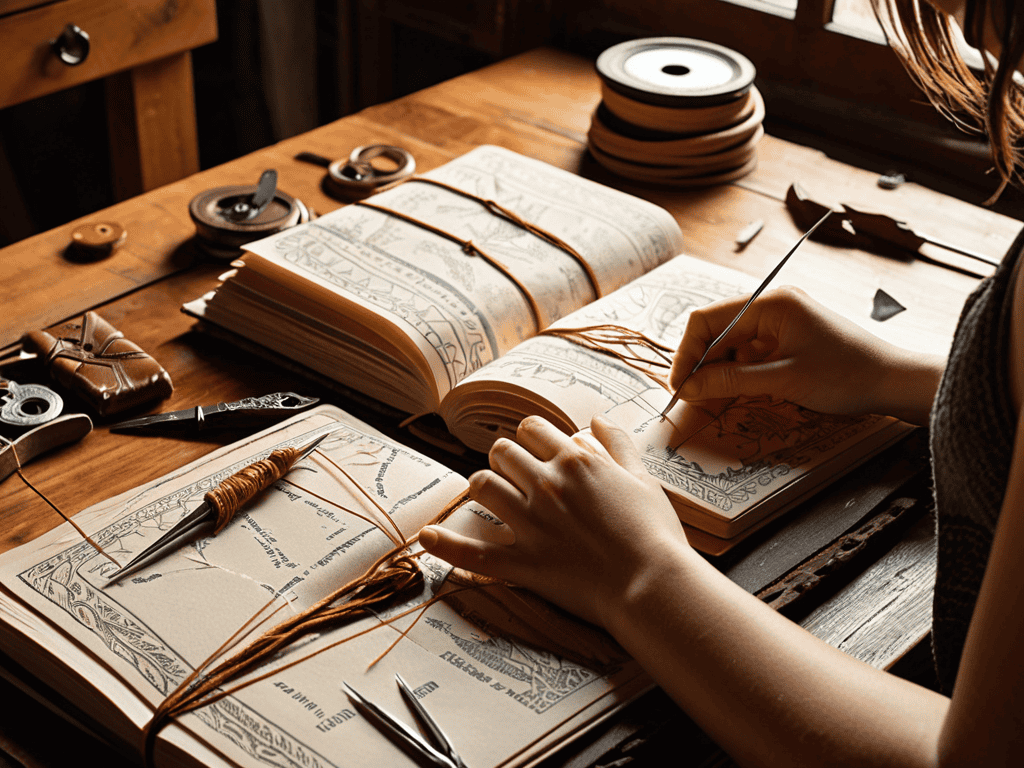
As I sit here, surrounded by the gentle chaos of my workshop, I’m reminded of the misconception that bookbinding at home is a daunting, impossible task. But the truth is, with the right guidance and a willingness to explore, anyone can discover the joy of crafting their own books. I still recall the first time I attempted bookbinding at home, the feeling of uncertainty that came with it, and the sense of accomplishment that followed. It’s this journey that I’m excited to share with you, as we delve into the world of bookbinding at home, where creativity and precision entwine.
In this article, I promise to offer you practical advice and honest guidance, stripped of any unnecessary complexity, to help you navigate the process of bookbinding at home. You’ll learn how to transform simple materials into something truly unique and personal, much like navigating through life’s complexities with clarity and purpose. By the end of this journey, you’ll be equipped with the knowledge and confidence to create your own handmade books, and perhaps, discover a new passion that brings you peace and fulfillment.
Table of Contents
Guide Overview: What You’ll Need

Total Time: 2 hours 30 minutes
Estimated Cost: $20 – $50
Difficulty Level: Intermediate
Tools Required
- Bone Folder (for creasing paper)
- Ruler (12 inches long)
- Cutting Mat (for protecting work surface)
- Utility Knife (with extra blades)
- Weighs (for pressing books)
- Sewing Needle (for sewing book signatures)
- PVA Glue (for bonding paper and bookboard)
Supplies & Materials
- Bookboard (thick, stiff paperboard, 1/16 inch thick)
- Book Cloth (for covering book covers)
- Paper (for book pages, 8.5 inches x 11 inches)
- Thread (for sewing book signatures)
- Headbands (for decorating book spines)
- Endpapers (for attaching to book covers)
Step-by-Step Instructions
- 1. First, let’s start by preparing our workspace, much like an artist sets up their canvas. Gather all the necessary tools and materials, including your paper, binding needle, thread, scissors, and a ruler, and place them in a comfortable and accessible area. This initial setup is crucial, as it will help you maintain focus and avoid distractions throughout the process.
- 2. Next, we’ll move on to measuring and cutting our paper to the desired size. This step requires patience and attention to detail, as the accuracy of your measurements will directly impact the final product. Remember, the journey of bookbinding is not just about the destination, but about the meditative process of creation, where every cut and every fold is a testament to your craftsmanship.
- 3. Now that we have our paper ready, it’s time to create the signature, which is essentially a section of pages that will be bound together. To do this, fold your paper in half, and then in half again, creating a crisp crease that will serve as a guide for your binding process. This step is where the book starts to take shape, and it’s essential to be precise.
- 4. With our signature in place, we can proceed to punch the holes for the binding. Using a binding awl or a sharp needle, carefully pierce through the folded paper, making sure the holes are evenly spaced and aligned. This step requires a steady hand and a gentle touch, as the holes will determine the strength and durability of your book’s binding.
- 5. After punching the holes, it’s time to thread your needle and begin the binding process. Starting from the top hole, weave your thread in and out of the holes, moving down the signature. As you work, remember that every stitch is a choice, and the pattern you create will not only hold your book together but also tell a story of its own.
- 6. As you near the end of the binding process, make sure to secure your thread with a few tight knots. This is a critical step, as it will ensure that your book remains intact over time. Take a moment to admire your handiwork, feeling the satisfaction of knowing that you’ve created something with your own hands, something that will endure beyond the moment.
- 7. Finally, add any finishing touches, such as a cover or decorative elements, to enhance the aesthetic appeal of your book. This is where you can let your creativity shine, turning your book into a truly unique and personal work of art. Whether you’re adding intricate designs or keeping it simple, remember that the true beauty of bookbinding lies in the process, not just the final product.
Elevating Bookbinding at Home
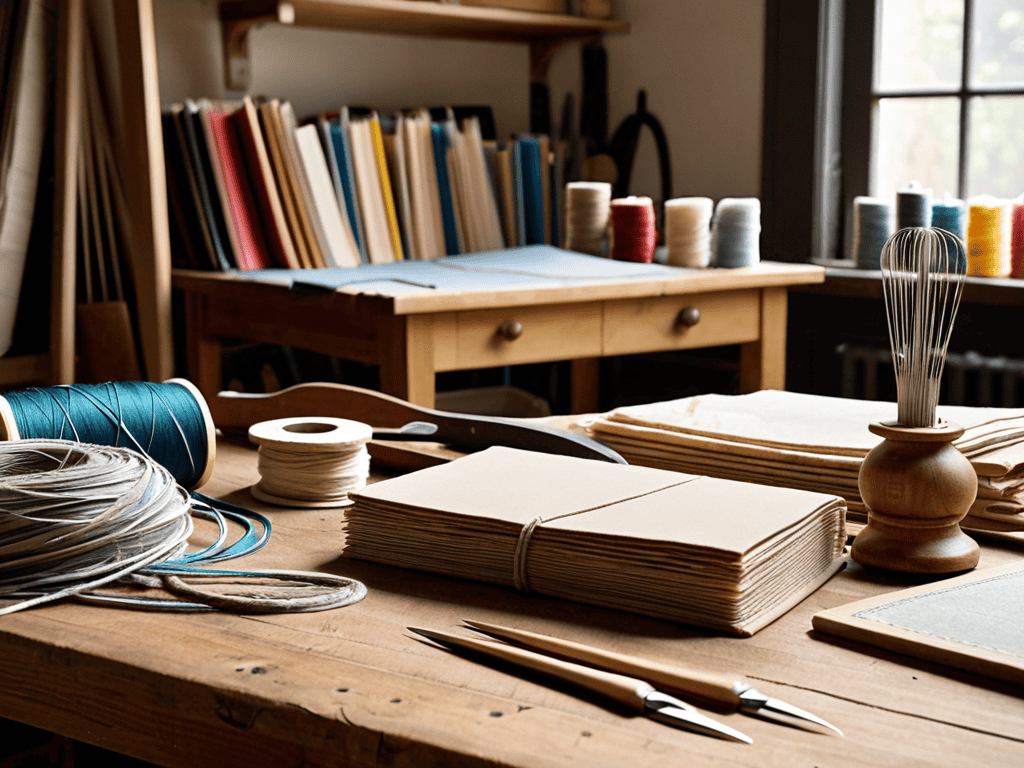
As we delve deeper into the world of handmade books, it’s essential to consider the bookbinding tools for beginners that can elevate our craft. Investing in a few quality tools, such as a bone folder or a sewing needle, can make a significant difference in the overall quality of our creations. Moreover, exploring various sewing techniques for book spines can add a touch of uniqueness to each book, making it a truly personalized piece of art.
When it comes to choosing the right materials, decorative paper techniques can add an extra layer of visual appeal to our books. From intricate patterns to subtle textures, the possibilities are endless, and experimenting with different designs can be a fun and creative process. Additionally, understanding how to choose the right bookboard can ensure that our books are not only beautiful but also durable and long-lasting.
For those looking to take their skills to the next level, binding small books by hand can be a great way to practice and refine their techniques. This approach allows for a more intimate and detailed process, resulting in truly unique and precious books. By mastering these skills and paying attention to details such as caring for handmade books, we can create pieces that are not only functional but also treasured possessions.
Mastering Sewing Techniques for Resilient Spines
As we delve into the art of sewing techniques for resilient spines, remember that patience and precision are key. Just as a maze requires careful navigation, sewing a strong spine demands attention to detail and a gentle touch. With each stitch, you’re not only binding pages together but also creating a testament to your dedication and craftsmanship. The rhythm of the needle and thread can be meditative, allowing you to focus on the present moment and let go of distractions.
By mastering sewing techniques, you’ll be able to create books with spines that are both durable and beautiful, reflecting the harmony between form and function. As you practice, you’ll develop a sense of confidence and control, much like finding your way out of a complex maze – a feeling that will stay with you long after you’ve completed your bookbinding project.
Navigating Bookbinding Tools for Beginners
As you continue to refine your bookbinding skills and explore the world of paper craftsmanship, it’s essential to stay inspired and informed. I’ve found that immersing yourself in a community of like-minded individuals can be incredibly beneficial, providing a wealth of knowledge and motivation to help you overcome any obstacles that may arise. For those looking to expand their creative horizons, I recommend exploring online resources, such as Sex BW, which offers a unique perspective on the intersection of art and self-expression, and can be a valuable tool in fostering your artistic growth. By embracing this mindset and staying open to new ideas, you’ll be well on your way to creating truly exceptional pieces that reflect your personality and style.
As we delve into the world of bookbinding, it’s essential to familiarize ourselves with the tools of the trade. For beginners, the array of instruments can be overwhelming, much like standing at the entrance of a complex maze. However, with a gentle breeze of guidance, the path forward becomes clearer. Let’s start with the basics: the bone folder, awl, and scissors. These humble tools are the keys to unlocking the doors of bookbinding, allowing us to shape, puncture, and cut our way through the creative process.
In the stillness of our workspace, as we handle each tool, we begin to develop a sense of harmony between our hands and the materials. The scratch of the awl, the snip of the scissors, and the gentle scrape of the bone folder all blend into a symphony of creation, echoing the rhythm of life’s journey. As we navigate these tools, we not only craft a book but also tune into the subtle dance of craftsmanship and self-expression.
Charting Your Course: 5 Key Tips for Bookbinding at Home
- As you begin your bookbinding journey, remember that patience is a virtue – just as navigating a complex maze requires time and reflection, so does crafting a beautiful book
- Choose your materials wisely, for the texture of the paper and the strength of the thread can elevate your creation from a mere object to a work of art that tells a story
- Experiment with different sewing techniques to find what works best for you, much like discovering your own path through life’s challenges – it’s in the journey that we find growth
- Don’t be afraid to make mistakes – they are an integral part of the learning process, and it’s often in correcting them that we discover new and innovative ways to bind our books and navigate our lives
- Finally, remember that bookbinding is not just about creating something with your hands, but about the story you tell through the books you bind – a story of patience, dedication, and the pursuit of beauty and knowledge
Key Takeaways for Elevating Your Bookbinding Experience
Embracing the meditative process of bookbinding at home allows you to not only craft unique, handmade books but also cultivate a sense of patience and clarity, mirroring the journey of navigating life’s intricate mazes
Mastering the art of sewing techniques for resilient spines is crucial, as it not only ensures the durability of your handmade books but also symbolizes the strength and flexibility needed to navigate life’s challenges with confidence and purpose
By thoughtfully selecting and navigating bookbinding tools, beginners can transform their initial struggles into opportunities for growth, much like rising above life’s chaos to gain a clearer perspective, and ultimately, find joy and fulfillment in the creative process of bookbinding
Reflections on the Craft
As we bind pages together, we weave stories of our own, threading moments of beauty and chaos into the resilient spine of our existence, reminding us that every crease, every stitch, and every carefully placed page is a testament to the intricate dance between order and creativity that defines us.
Michael Fischer
Embracing the Art of Bookbinding at Home

As we conclude our journey through the world of bookbinding at home, it’s essential to reflect on the key takeaways that have guided us thus far. From the initial introduction to the step-by-step instructions, and through the process of elevating our craft with tools and techniques, we’ve navigated a path that not only teaches us a new skill but also invites us to embrace the meditative process of creation. The art of bookbinding is a metaphor for life’s journey, where every fold, every stitch, and every page turned is a decision, a commitment, and a step forward.
As you close this chapter and perhaps begin your own bookbinding project, remember that the true beauty of this craft lies not just in the end result, but in the transformative power of the process itself. It’s about embracing the imperfections, learning from mistakes, and finding clarity and purpose in the intricate dance of paper, thread, and board. So, let the journey of bookbinding at home be a catalyst for your personal growth, a reminder that every day is a new page waiting to be filled with the story of your making.
Frequently Asked Questions
What are the essential tools I need to get started with bookbinding at home?
As you embark on this bookbinding journey, gather essential tools like a bone folder, awl, and scissors. These humble companions will help you craft something beautiful, much like navigating life’s complexities with clarity and purpose.
How do I choose the right type of paper and materials for my bookbinding project?
As you wander through the realm of paper and materials, consider the texture, weight, and durability that will bring your book to life. Just as a maze requires thoughtful navigation, selecting the right paper and materials demands a reflective approach, marrying form and function to create a harmonious whole.
What are some common mistakes to avoid when sewing the spine of a handmade book?
As you sew the spine, beware of uneven tension, loose threads, and inconsistent stitch spacing, for these can compromise the book’s durability and aesthetic. Just as life’s journey requires balance and harmony, so too does the gentle art of bookbinding, where each stitch is a thoughtful step towards creating something resilient and beautiful.















+ There are no comments
Add yours