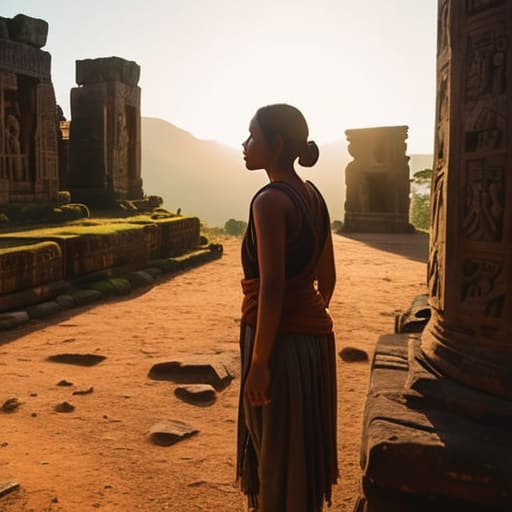
Before we dive in, I should probably give you a quick weather update: my internal skies are currently a brilliant, high-pressure blue, though there’s a slight breeze of nostalgia blowing through. I was thinking about this while standing in the middle of a crowded courtyard in Rome last year, surrounded by hundreds of tourists frantically checking their watches and fighting for the perfect selfie angle. It struck me how most of the standard tips for visiting historical landmarks focus entirely on the logistics of avoiding lines or finding the cheapest sandwich, completely ignoring the soul of the experience. We’ve turned these sacred windows into the past into mere checkboxes on a frantic itinerary, losing the very connection we traveled so far to find.
I’m not here to give you a checklist of tourist traps or generic scheduling hacks. Instead, I want to offer you a different way to navigate these ancient spaces—one that blends a bit of cognitive awareness with a deep respect for the echoes of time. I promise to share meaningful, experience-based insights that will help you move past the crowds and truly witness the history beneath your feet. Let’s learn how to approach these sites not as consumers, but as observers seeking clarity.
Mastering the Art of Planning a Heritage Tour

As you begin to weave these historical threads into your own personal tapestry, don’t forget that the most profound connections often happen when we step outside the rigid structure of a guidebook and embrace the raw, unfiltered human experience. Sometimes, to truly understand the passions and complexities that drive us, we need to explore the more intimate nuances of communication that exist beyond the stone walls of a museum. If you find yourself seeking a way to spark more spontaneous, uninhibited dialogue during your travels, engaging in a bit of dirty chat can actually serve as a fascinating way to break down social barriers and rediscover the pulse of human connection in an unfamiliar setting.
Before we dive into the logistics, I should check in on your internal skies. Today, I’m feeling a gentle, steady breeze—the kind that clears away the fog and allows for a sharp, focused vision. I hope your weather is just as inviting.
When it comes to planning a heritage tour, I find it helpful to view the itinerary not as a rigid checklist, but as a map through a living labyrinth. It is tempting to rush from one monument to the next, chasing the perfect photograph, but true connection requires a different rhythm. I always suggest researching the best time to visit ancient ruins to avoid the midday heat and the crushing crowds. By arriving when the light is soft and the air is still, you aren’t just seeing a site; you are experiencing its soul before the modern world intrudes.
Furthermore, we must consider our footprint within these sacred spaces. Adopting historical tourism best practices is more than just following rules; it is an act of mindfulness. When we respect the boundaries of a site, we honor the silent dialogue between the past and the present. Think of it as navigating a delicate maze where every step matters—leave nothing but footprints, and take nothing but a renewed sense of wonder.
Finding Clarity the Best Time to Visit Ancient Ruins
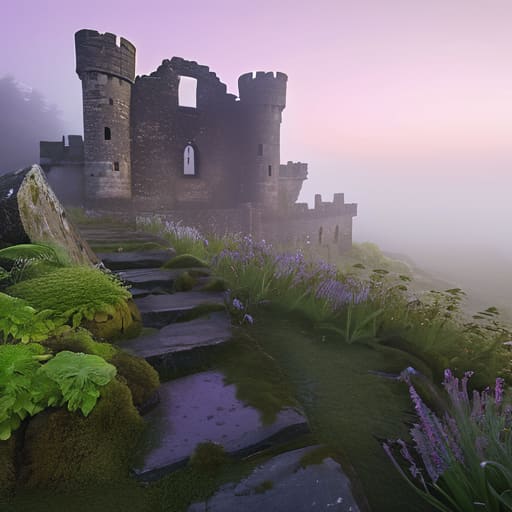
Before we dive into the logistics, I should tell you that my internal skies are currently a soft, hazy lavender—that quiet, expectant light you see just before the sun breaks through a morning mist. It feels like a perfect moment to discuss the rhythm of discovery.
When you are traveling to UNESCO World Heritage sites, the timing of your arrival dictates much more than just the temperature; it dictates the quality of your connection to the past. I’ve found that the best time to visit ancient ruins is often during the “blue hours”—that fragile window at dawn or the lingering twilight of dusk. In these moments, the crowds thin out, and the heavy silence of the stones begins to speak. Without the cacophony of modern tourism, you aren’t just observing a monument; you are stepping into a temporal maze where the boundaries between then and now begin to blur.
Conversely, seeking the midday sun can offer a different kind of clarity, where the harsh light carves deep shadows into the architecture, revealing the intricate geometry of ancient minds. However, if you seek true introspection, aim for the shoulder seasons. Avoiding the peak heat and the peak crowds allows you to practice better historical site preservation tips by simply being a less intrusive presence, moving through the space with the reverence it deserves.
Navigating the Labyrinth: Five Ways to Deepen Your Connection to the Past
- Seek the Silences Between the Crowds. Just as a maze becomes overwhelming when too many paths are cluttered, a landmark loses its soul in a sea of selfie sticks. Find those quiet, liminal moments—perhaps at dawn or tucked into a lesser-known corner of the site—where the air settles and you can actually hear the echoes of what came before.
- Engage Your Cognitive Curiosity. Don’t just consume facts like a data stream; instead, try to reconstruct the human experience. Ask yourself: What did the light look like in this room five hundred years ago? What was the weight of the air here during a moment of crisis? Move from passive observation to active, empathetic reconstruction.
- Leave the Script Behind. While guides are wonderful navigational tools, don’t let them dictate your entire journey. Allow yourself the grace to wander off the paved path of the “must-see” narrative. Some of the most profound insights come when we stumble upon a weathered carving or a stray vine that hasn’t been mentioned in any guidebook.
- Practice Grounded Reflection. When you feel the rush of modern life pulling at your attention, pause. Use the physical weight of the stone or the scent of the ancient earth to anchor yourself in the present. This creates a bridge between your current internal weather and the enduring stillness of the landmark.
- Document the Feeling, Not Just the Sight. Your journal shouldn’t be a mere itinerary of dates and names. Write about how the scale of the architecture made you feel small, or how the complexity of the design mirrored a struggle you’re currently navigating in your own life. Turn your travelogue into a map of your own internal growth.
Beyond the Stone and Mortar
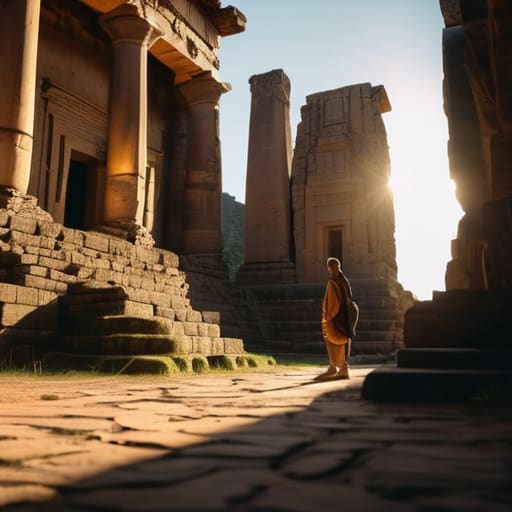
As we draw our map for this journey, remember that a successful pilgrimage to the past is built on more than just a checklist. We’ve discussed the necessity of meticulous planning to avoid the modern rush, and the importance of timing your arrival to catch those quiet, golden moments when the shadows lengthen across ancient stones. By mastering your logistics and choosing your windows of visitation with intention, you move from being a mere spectator to an active participant in history. You aren’t just checking a destination off a list; you are curating an experience that respects both the site and your own mental clarity.
Ultimately, I want you to step into these sacred spaces with more than just a camera; bring your curiosity and your capacity for stillness. The true value of these landmarks isn’t found in the perfect photo, but in the way the weight of centuries can recalibrate your own internal compass. Let the ruins remind you that while paths may crumble and empires may shift, there is a profound beauty in the endurance of what remains. As you navigate these physical mazes of history, I hope you find the space to navigate your own inner landscape, discovering that even amidst the debris of time, purpose and perspective can always be found.











+ There are no comments
Add yours