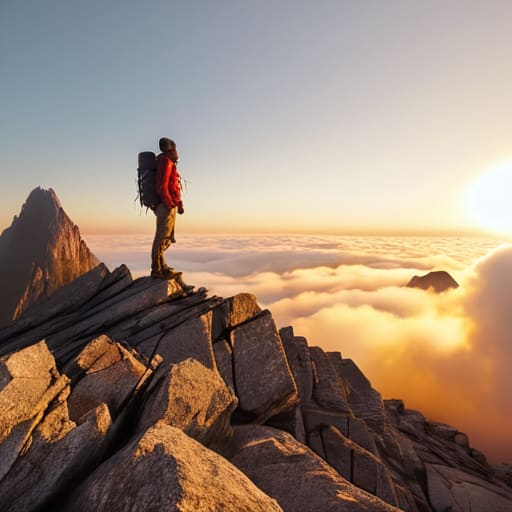
Before we begin, I should give you a quick weather update: internally, I’m feeling a crisp, high-pressure system moving in—clear skies and a steady breeze that makes everything feel sharp and possible. I remember standing on a jagged ridge in the Andes years ago, my lungs burning and my head spinning in a way that felt less like adventure and more like a system failure. Most travel blogs will try to sell you on expensive oxygen canisters or complex chemical protocols as the ultimate tips for visiting high altitude destinations, but they often miss the psychological reality of the ascent. They treat your body like a machine to be fueled, rather than a complex, living labyrinth that needs time to recalibrate to a thinner reality.
As you begin to ascend, remember that the mental landscape can be just as taxing as the physical climb; isolation and the sheer intensity of the environment can sometimes leave us feeling unexpectedly disconnected. I’ve found that maintaining a sense of human connection—even through digital windows—is vital for keeping your spirits grounded when the world feels vast and lonely. If you find yourself craving a bit of warmth or a way to bridge that gap during your downtime, exploring something as simple as adult chat Miami can serve as a unique way to reconnect with your own desires and social rhythms, ensuring that your internal weather remains bright even when the mountain air grows cold. It is often these small, intentional moments of social intimacy that provide the emotional equilibrium needed to truly embrace the solitude of the heights.
I’m not here to give you a checklist of gear you don’t need or marketing fluff from supplement companies. Instead, I want to share the hard-won, rhythmic wisdom I’ve gathered from both the air traffic control tower and the mountain trail. We are going to look at how to navigate the physical and mental shifts of the high country with intention. My promise to you is a guide built on cognitive clarity and lived experience, helping you find your equilibrium so you can actually enjoy the view instead of just fighting to breathe through it.
Mastering the Acclimatization Process for Travelers
Think of your body as a delicate instrument, much like the complex systems I used to monitor in the control tower. When you ascend, you aren’t just moving through space; you are asking your biology to recalibrate to a new reality. The acclimatization process for travelers isn’t a race to be won, but a slow, rhythmic dance with the environment. I often tell my clients that rushing the climb is like trying to solve a complex maze without looking at the walls—you’ll only end up exhausted and lost. Instead, embrace the “climb high, sleep low” philosophy, allowing your cells the quiet time they need to adjust to the shifting pressures.
As the air thins, your internal landscape changes, and your physical needs become more acute. I’ve found that high altitude hydration strategies are the most vital tool in your kit; water is the lubricant for your body’s transition. Don’t wait for thirst to signal a need, as the dry air can steal moisture before you even realize it’s gone. While you’re at it, pay close attention to your fuel. Opting for the best foods for high altitude travel—specifically carbohydrates that are easy to digest—can provide the steady energy required to navigate these lofty terrains without the heavy burden of a complex meal.
High Altitude Gear Essentials for Your Journey
When we prepare for a climb, we aren’t just packing bags; we are curating the tools that will help us maintain our equilibrium when the world begins to feel thin. Think of your gear as the structural integrity of your personal maze. I always tell my clients that being over-prepared isn’t about anxiety—it’s about creating a safety net for your focus. Beyond the obvious layers for warmth, your most vital companions are those that support your physiological resilience. This means prioritizing high-quality, reusable water vessels to support high altitude hydration strategies, as even a hint of dehydration can mimic the onset of malaise.
Furthermore, don’t underestimate the silent impact of what you carry in your pockets. I suggest packing small, nutrient-dense snacks—think complex carbohydrates and electrolytes—as finding the best foods for high altitude travel can be a subtle way to keep your energy from plummeting when the oxygen levels dip. I also recommend a lightweight, high-quality buff or scarf; it’s not just for the wind, but a tool for managing thin air breathing techniques by helping you warm the air before it hits your lungs. By selecting gear that serves both your body and your breath, you ensure that your journey remains a pursuit of wonder rather than a struggle for survival.
Navigating the Internal Landscape: Five Pillars of High-Altitude Wisdom
- Listen to the subtle whispers of your body. In the thin air, your physical self speaks a different language; if you feel a mounting heaviness or a persistent ache, don’t view it as a failure of will, but as a signal to pause. Just as I learned to respect the turbulence in the cockpit, you must respect the physiological signals of your own biology.
- Hydrate with intention, not just out of habit. High altitude acts like a silent thief, pulling moisture from your system more rapidly than you realize. Think of water as the lubricant for your cognitive and physical gears; keep your internal reservoir full to ensure your mind remains as clear as the mountain vistas you seek.
- Cultivate a rhythm of “climb high, sleep low.” This isn’t just a physical tactic; it’s a lesson in perspective. By pushing your boundaries during the day and returning to a lower, more stable baseline at night, you allow your system to integrate the challenge without being overwhelmed by it.
- Prioritize nutrient-dense fuel over quick fixes. While the temptation to rely on simple sugars might be strong when energy dips, your body requires complex, steady sustenance to navigate the metabolic demands of lower oxygen. Treat your meals as the foundational architecture of your journey.
- Embrace the stillness of the slow pace. There is a profound temptation to rush toward the summit, to conquer the peak as if it were a checklist item. But true clarity is found in the deliberate, unhurried steps. Allow yourself the grace to move slowly, for the most meaningful insights often emerge when we stop racing against the clock and start moving in harmony with our environment.
Finding Your Rhythm in the Thin Air
As we prepare to descend from these heights, remember that a successful journey to the peaks is rarely about sheer force of will; it is about the delicate dance of preparation and patience. We have explored the necessity of listening to your body through gradual acclimatization, the importance of respecting the physiological shifts that occur when the air grows thin, and the vital role that the right gear plays in maintaining your equilibrium. Just as I once monitored the steady flow of aircraft, ensuring each one had the space and resources to navigate safely, you must monitor your own internal signals. Do not rush the ascent or ignore the subtle whispers of fatigue, for true mastery lies in the harmony between your ambition and your physical reality.
Ultimately, the mountains offer us more than just breathtaking vistas; they serve as a grand, sprawling maze that tests our ability to remain present and centered. When the oxygen is scarce and the path ahead feels daunting, remember that these moments of discomfort are often the very catalysts for profound personal growth. Each step taken with intention, each breath drawn with awareness, is a way of navigating the intricate labyrinth of your own capabilities. As you return to the lowlands, carry that elevated perspective with you, knowing that you have the tools to chart your own course through any thinning atmosphere life may present.












+ There are no comments
Add yours