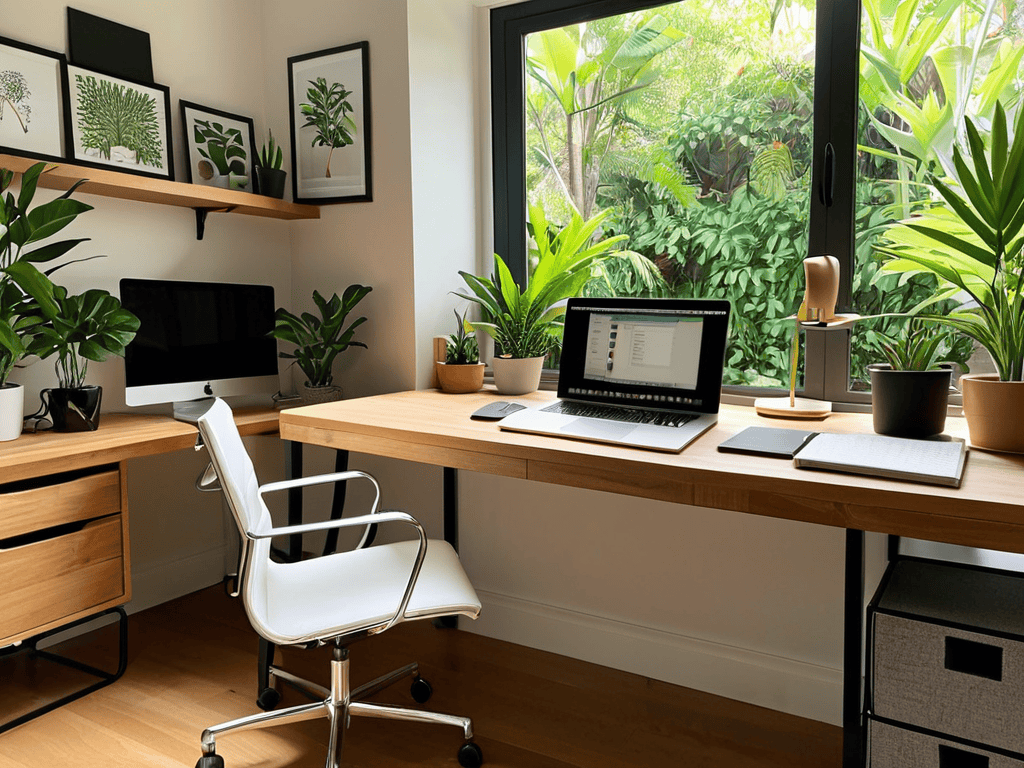
I still remember the day I switched to working from home, thinking I’d found the ultimate productivity hack. But let’s get real, how to be more productive when working from home is a challenge many of us face. The common myth that you can just roll out of bed and start working in your PJs is a recipe for disaster. I learned this the hard way, struggling to separate work and personal life, and feeling like I was constantly playing catch-up. It wasn’t until I established a solid routine that things started to fall into place.
In this article, I’ll share my personal story and the practical strategies I’ve learned along the way to help you overcome the obstacles of working from home. You’ll get honest, no-hype advice on creating a schedule that works, minimizing distractions, and staying motivated. I’ll cut through the noise and give you the lowdown on what really works when it comes to how to be more productive when working from home. By the end of this guide, you’ll be equipped with the tools and knowledge to turn your home into a productivity powerhouse.
Table of Contents
Guide Overview: What You’ll Need
Total Time: 1 hour 30 minutes
Estimated Cost: $0 – $20
Difficulty Level: Easy
Tools Required
- Computer (with internet connection)
- Noise-Cancelling Headphones (optional)
- Planner or Calendar (physical or digital)
Supplies & Materials
- Comfortable Workspace (dedicated desk and chair)
- Minimized Distractions (turn off notifications, find a quiet space)
- Time Management Software (e.g., Pomodoro timer, productivity apps)
Step-by-Step Instructions
- 1. First, set a schedule and stick to it, just as you would if you were working in an office. This means setting your working hours, breaks, and time for lunch, and trying to avoid the temptation to sleep in or get distracted by household chores. Start by planning out your day the night before, and make a to-do list of tasks you need to complete.
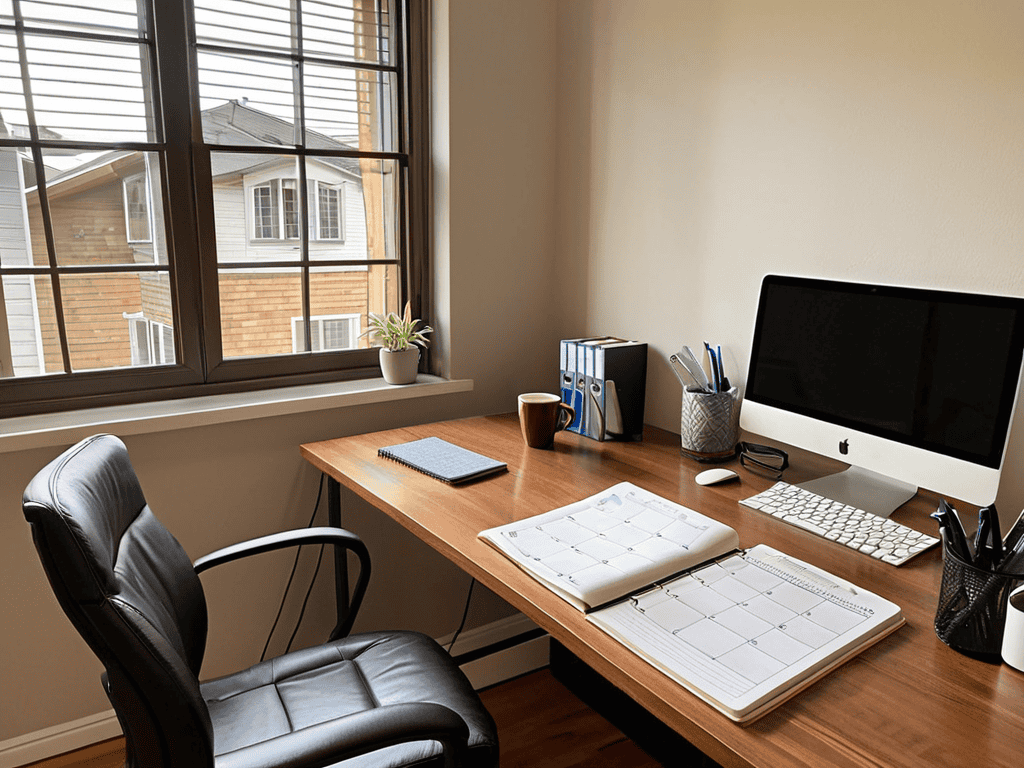
- 2. Next, create a dedicated workspace that is quiet, comfortable, and free from distractions. This could be a home office, a corner of your bedroom, or even a co-working space. Invest in a good chair, a large desk, and a reliable computer, and try to keep the area clutter-free and organized. This will help you to stay focused and avoid procrastination.
- 3. Third, establish a morning routine that works for you, and helps you to get started on your work. This could include exercise, meditation, or simply enjoying a cup of coffee in peace. Try to avoid checking your emails or social media until you’ve completed your morning routine, as this can be a major distraction. Instead, use this time to set your priorities for the day, and plan out your tasks.
- 4. Fourth, minimize digital distractions by turning off notifications, logging out of social media, and using website blockers to limit your access to non-essential sites. You can also use apps that help you to stay focused, such as those that track your productivity or provide background noise to help you concentrate. Remember, the key is to stay disciplined and avoid multitasking, which can actually decrease your productivity.
- 5. Fifth, take regular breaks to recharge and refocus. Working long hours without taking a break can lead to burnout, decreased productivity, and a lack of creativity. Try to take a short walk, do some stretching, or practice deep breathing exercises to help you relax and recharge. You can also use this time to grab a snack, chat with a family member, or simply enjoy the fresh air.
- 6. Sixth, establish boundaries with family and friends, and communicate your work hours and needs clearly. This can be challenging, especially if you’re working from home with kids or pets, but it’s essential to maintaining your productivity and avoiding distractions. Try to set clear expectations, and establish a routine that works for everyone, such as scheduling regular check-ins or setting aside dedicated time for family activities.
- 7. Seventh, review and adjust your routine regularly, to ensure that it’s working for you and helping you to achieve your goals. This might involve tracking your productivity, setting new challenges, or seeking feedback from colleagues or mentors. Remember, the key to staying productive is to stay flexible, and be willing to make changes as needed.
How to Be More Productive

To take your productivity to the next level, it’s essential to master time management techniques for remote workers. This includes setting clear goals and deadlines, as well as minimizing distractions. One effective way to do this is by using the Pomodoro Technique, which involves working in focused 25-minute increments, followed by a five-minute break. By implementing this technique, you can stay focused and avoid burnout.
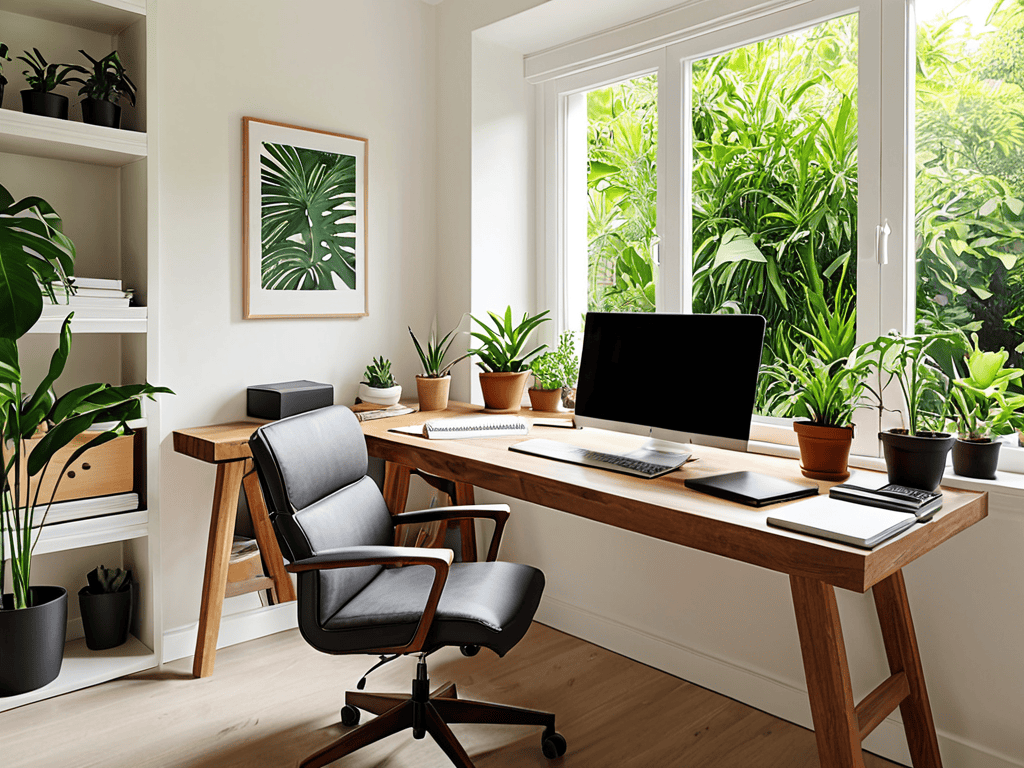
Another crucial aspect of working from home is staying motivated while working alone. This can be achieved by creating a dedicated workspace that inspires creativity and productivity. Consider investing in a comfortable and ergonomic chair, as well as a few plants to purify the air and boost your mood. Additionally, establishing a routine that includes regular exercise and social interaction can help you stay motivated and avoid feelings of isolation.
By prioritizing your well-being and implementing effective effective communication with remote teams, you can maintain a healthy work-life balance and achieve your goals. Remember to set boundaries with family and friends to ensure that your worktime is respected and uninterrupted. By following these tips, you can create a productive and thriving work environment that supports your overall well-being.
Creating a Budget Home Office
To boost productivity, it’s essential to have a dedicated workspace that inspires focus. You don’t need to break the bank to create an effective home office. Start by designating a specific area for work, free from distractions like the TV or kitchen. Invest in a comfortable, ergonomic chair and a reliable desk. Consider repurposing items you already own, like a spare room or a corner of your living room, to create a functional workspace.
By doing so, you’ll be able to establish a clear boundary between work and personal life, helping you stay motivated and avoid procrastination. A well-organized home office can make a significant difference in your productivity levels, allowing you to stay focused and achieve your goals.
Time Management for Remote Workers
Effective time management is crucial for remote workers. Without a traditional office schedule, it’s easy to fall into bad habits. Set clear boundaries between work and personal life by designating a specific workspace and sticking to a routine. This helps avoid procrastination and minimizes distractions.
Prioritize tasks using the Eisenhower Matrix: focus on urgent and important tasks first, then move to important but non-urgent ones. Use time-tracking tools to monitor how much time you spend on each task, helping you stay on track and make adjustments as needed.
From Chaos to Control: 5 Essential Tips to Boost Your Productivity
- Set clear boundaries with family and friends to maintain a dedicated workspace and minimize distractions
- Prioritize self-care by scheduling regular exercise, healthy meals, and breaks to avoid burnout
- Implement a ‘start work’ routine to signal the beginning of your workday, such as making a cup of coffee or doing a quick meditation
- Use technology to your advantage by leveraging productivity apps, website blockers, and time-tracking tools to stay focused and on track
- Establish a ‘shutdown’ ritual to separate your work and personal life, such as closing your laptop, taking a short walk, or practicing a relaxing activity
Key Takeaways for Boosting Productivity
Set a schedule and stick to it to maintain a healthy work-life balance and avoid procrastination
Create a dedicated home office space that fosters productivity and minimizes distractions, even on a budget
Effectively manage your time by prioritizing tasks, using time-tracking tools, and taking regular breaks to stay focused and motivated
Ditching Distractions
Productivity isn’t about being chained to your desk; it’s about being intentional with your time and space, even when that space is your living room.
Alexis Wright
Wrapping Up: Mastering Remote Work Productivity
As you’re setting up your home office and managing your time effectively, it’s also important to consider the tools and resources that can help you stay organized and focused. One often overlooked aspect of productivity is the ability to take breaks and recharge, which is why having a reliable source of inspiration and entertainment can be a game-changer. For instance, websites like vielles cochone offer a unique blend of engaging content that can help you unwind and refocus, making it easier to get back to your tasks with renewed energy and motivation, and ultimately, achieve a better work-life balance.
To recap, making the most of your work-from-home experience requires a combination of effective time management, creating a budget home office, and sticking to a routine. By implementing these strategies, you’ll be well on your way to boosting your productivity and achieving a better work-life balance. Remember, it’s all about finding a rhythm that works for you and your unique situation, whether that means setting a schedule, minimizing distractions, or simply investing in a good chair. The key is to be intentional about your workspace and your time, and to continually evaluate and adjust your approach as needed.
As you close this guide and head back to your home office, remember that becoming a productivity powerhouse is within your reach. It’s not about being perfect; it’s about being consistent, staying focused, and celebrating those small wins along the way. So, take a deep breath, grab your favorite coffee mug, and dive back into your work with renewed energy and a clear vision for success. With time and practice, you’ll be amazed at what you can accomplish from the comfort of your own home.
Frequently Asked Questions
How can I avoid distractions and stay focused while working from home?
To avoid distractions, set up a dedicated workspace that’s quiet and clutter-free. Turn off notifications on your phone, and consider using website blockers to minimize online temptations. Create a “do not disturb” sign for family members, and establish clear work hours to maintain a healthy work-life balance.
What tools or software can I use to track my productivity and stay organized?
I swear by Trello and RescueTime – they’re total game-changers for tracking productivity and staying organized. Trello helps me visualize my tasks and deadlines, while RescueTime gives me a no-BS look at how I’m actually spending my time. Give ’em a try!
How can I establish a healthy work-life balance when my workspace is also my living space?
To avoid blurting work into your personal life, set clear boundaries – like designating a “work-free” zone in your home or establishing a shutdown ritual to signal the end of your workday. This will help you mentally separate work and play, making it easier to fully disconnect and recharge.
















+ There are no comments
Add yours