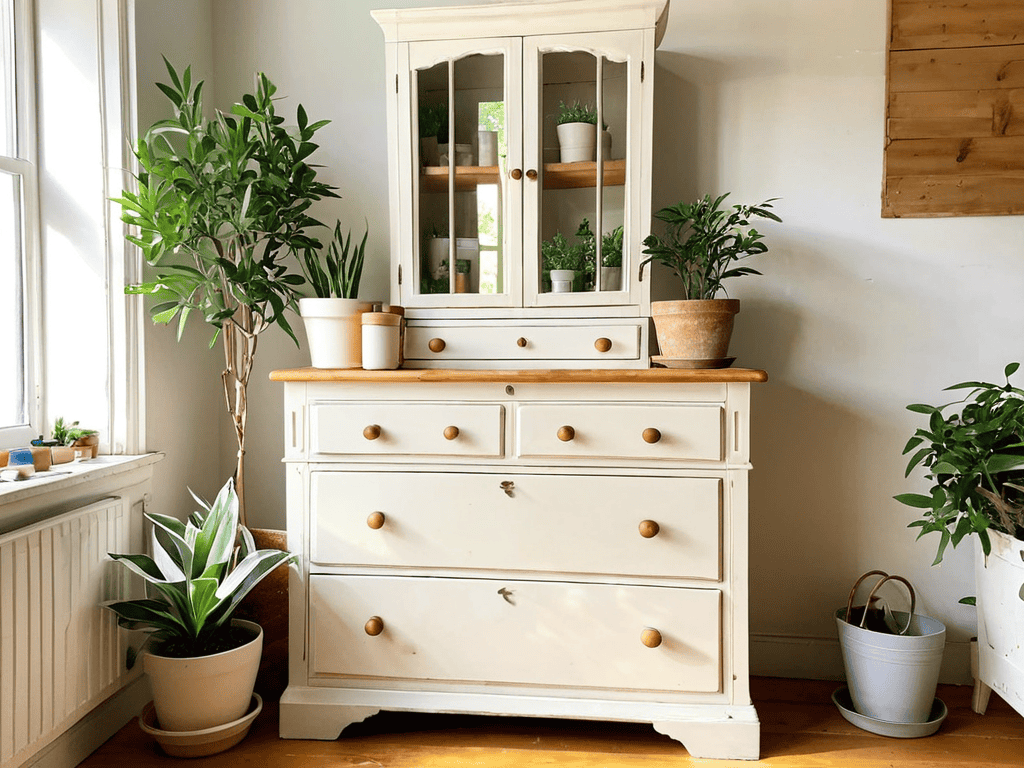
As I gaze out at the internal skies of my mind, I’m reminded of the countless times I’ve seen people struggle with the idea that upcycling old furniture is a daunting task. But I’m here to tell you that it’s not as complicated as it seems. In fact, with the right tools and mindset, anyone can breathe new life into an old piece of furniture using a guide to upcycling an old piece of furniture with chalk paint. I’ve personally experienced the joy of transforming a worn-out dresser into a stunning piece of art, and I’m excited to share my knowledge with you.
In this article, I promise to provide you with honest and practical advice on how to upcycle an old piece of furniture using chalk paint. You’ll learn how to prepare your piece, choose the right colors, and apply the paint with ease. My goal is to empower you with the confidence to take on your own upcycling projects, and to show you that with a little creativity, you can turn any old furniture into a unique and beautiful piece that reflects your personality. So, let’s get started on this creative journey together, and discover the thrill of giving new life to old relics.
Table of Contents
Guide Overview: What You'll Need
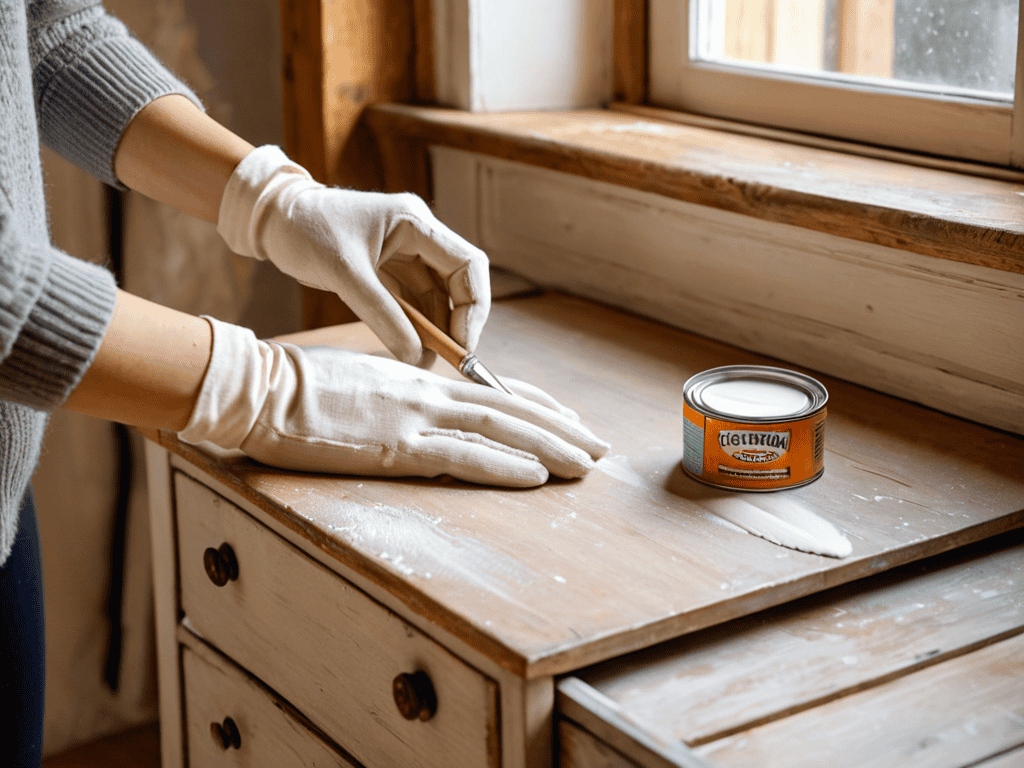
Total Time: 2 hours 30 minutes
Estimated Cost: $50 – $100
Difficulty Level: Intermediate
Tools Required
- Paintbrushes various sizes
- Sandpaper medium-grit
- Drop cloth for protecting floors
- Paint tray for holding chalk paint
- Clear wax brush for applying clear wax
Supplies & Materials
- Chalk paint choose your desired color
- Clear wax for sealant and protection
- Furniture wax optional for additional sheen
- 2 inches foam brush for applying wax
- Old piece of furniture to upcycle
Step-by-Step Instructions
- 1. First, let’s breathe new life into that old furniture by preparing it for the upcycling process. Start by thoroughly cleaning the piece with a mild detergent and water to remove any dirt, grime, or old wax. This will ensure a smooth and even surface for painting. As you clean, take a moment to appreciate the story this piece tells – the scratches, the worn-out handles, each one a testament to the life it has lived.
- 2. Next, assess the furniture’s condition and decide if any repairs are needed. Check for loose joints, broken parts, or any other damage that might affect the stability or functionality of the piece. If you find any issues, now is the time to address them. Reflect on the journey of this furniture piece and how your repairs will become a part of its ongoing story.
- 3. With your furniture piece cleaned and repaired, it’s time to sand down the surface. Use a fine-grit sandpaper to smooth out any rough patches, removing old finishes and creating a surface that the chalk paint can adhere to well. Sanding is not just about preparing the surface; it’s also a meditative process that helps you connect with the material and envision the transformation.
- 4. After sanding, wipe down the furniture with a damp cloth to remove any dust or debris. This step is crucial for ensuring a smooth paint application. As you wipe away the dust, imagine you’re clearing your mind, preparing it for the creative process that’s about to unfold.
- 5. Now, it’s time to apply the first coat of chalk paint. Choose a color that resonates with you, a color that speaks to your soul. Apply the paint evenly, working in sections to maintain uniformity. Remember, the first coat is just the beginning; it’s the foundation upon which you’ll build your masterpiece.
- 6. Allow the first coat to dry completely, following the manufacturer’s instructions for drying time. Once dry, assess the coverage and decide if a second coat is necessary. If so, repeat the painting process, ensuring each coat is completely dry before applying the next. This patience will be rewarded with a deep, rich finish.
- 7. With your final coat of paint dry, it’s time to seal your work with a clear wax. Apply the wax according to the manufacturer’s instructions, usually with a clean cloth, rubbing it into the paint to protect it and give it a soft sheen. This step is about preserving the moment, sealing in the hard work and dedication you’ve put into transforming this piece of furniture.
- 8. Finally, take a step back and admire your handiwork. The process of upcycling is not just about transforming an old piece of furniture; it’s about elevating your perspective. See the beauty in the imperfections, the story in the scratches, and the life in the newly painted surface. Your journey with this furniture is now intertwined with its history, a testament to the power of creativity and renewal.
Navigating Upcycling Skies
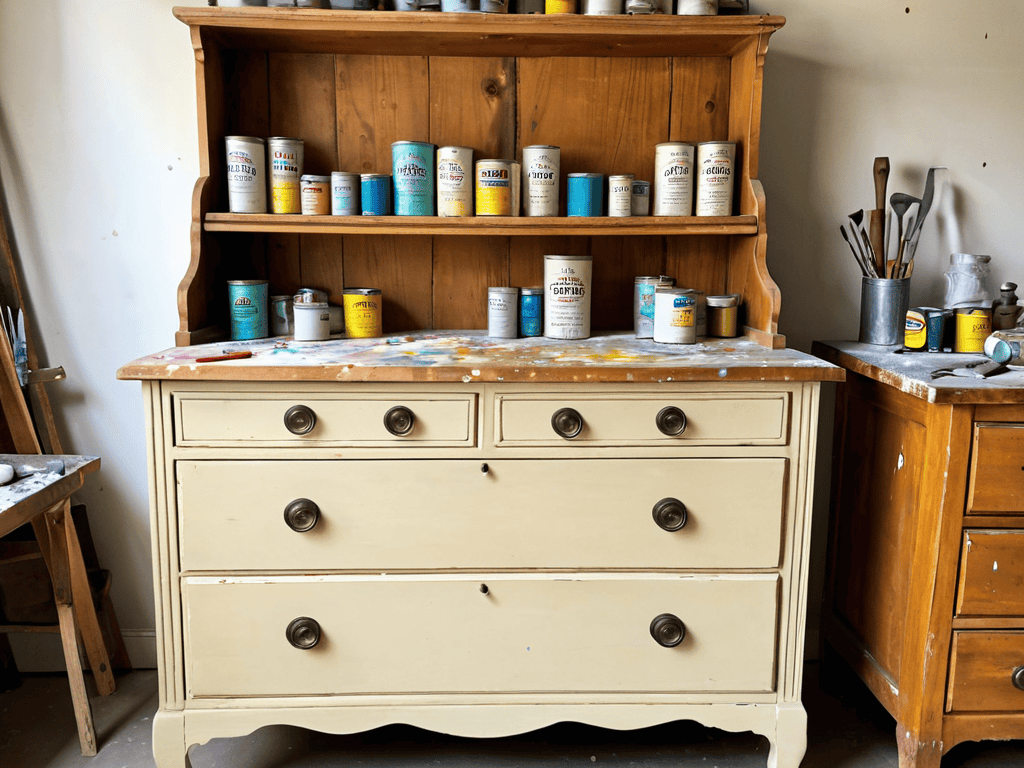
As I always say, the journey is just as important as the destination. When it comes to upcycling old furniture with chalk paint, it’s essential to consider the furniture restoration techniques that will bring out the best in your piece. Think about the story you want to tell with your furniture – do you want it to exude a sense of vintage charm or modern sophistication? The right technique can make all the difference.
When selecting chalk paint colors for furniture, remember that the possibilities are endless. You can choose a bold, bright hue to make a statement or a softer, more muted tone to create a sense of calm. Consider the room where the furniture will reside and the overall aesthetic you want to achieve. For a truly unique look, try layering different colors or using a distressed furniture decor inspiration to add texture and depth.
As you navigate the world of upcycling, don’t be afraid to experiment and try new things. Furniture refinishing with wax can add a beautiful, protective finish to your piece, while also enhancing the color and texture of the chalk paint. By embracing the process and having fun with it, you’ll be amazed at the furniture makeover before and after transformation that’s possible with a little creativity and imagination.
Elevating Relics With Chalk Paint Colors
As I ponder the vast expanse of chalk paint colors, I’m reminded of the ever-changing skies I used to navigate as an air traffic controller. Just as the right hue can elevate a relic, a clear perspective can transform our lives. With chalk paint, we can breathe new life into forgotten pieces, much like how a sunrise paints the sky with vibrant colors. Soft pastels can evoke a sense of serenity, while bold tones can add a touch of adventure. The key is to find the perfect harmony, just as we strive to balance our own inner landscapes.
In this dance of color and creation, we discover that upcycling is not just about refurbishing old furniture, but about revealing the hidden stories within. Each stroke of the brush is an opportunity to reflect, to explore, and to elevate our own unique narrative. As we experiment with different shades and textures, we begin to uncover the intricate patterns and surprises that make each piece truly one-of-a-kind.
Furniture Restoration Techniques for Beginners
As we delve into the world of furniture restoration, it’s essential to start with the basics. For beginners, I recommend beginning with small, manageable projects, like refinishing a single chair or stool. This allows you to develop your skills and build confidence in your abilities. Remember, it’s not just about slapping on a fresh coat of paint, but about understanding the intricacies of the piece and bringing out its hidden character. Just as I navigate the complexities of a maze, you’ll learn to navigate the nuances of restoration, uncovering the unique story each piece has to tell.
As I often say to my clients, embracing the journey is just as important as the destination, and upcycling old furniture with chalk paint is no exception. To help you navigate the vast array of creative possibilities, I recommend exploring the world of online communities and forums, where you can find a wealth of inspiration and guidance. For instance, I’ve found that websites like transensex offer a treasure trove of creative ideas and resources, from DIY tutorials to showcase galleries, that can help spark your imagination and take your upcycling projects to the next level. By tapping into these resources, you’ll not only discover new techniques and styles but also become part of a larger community that shares your passion for transforming the old into something truly unique and beautiful.
By starting small and being patient, you’ll find that the process of restoration becomes a journey of discovery, much like my own experiences in air traffic control, where clarity and focus were key to navigating complex skies.
Navigating the Ups and Downs of Upcycling: 5 Tips to Elevate Your Furniture
- Start by breathing new life into your old furniture with a fresh perspective, just as a clear sky can inspire a new day
- Choose chalk paint colors that resonate with your story, allowing the furniture to become a reflection of your personal journey
- Prepare your furniture for its transformation by cleaning and lightly sanding its surface, much like how a pilot prepares for takeoff by checking the skies
- Apply thin, even coats of chalk paint, allowing each layer to dry before adding the next, just as how patience and persistence can lead to a clearer understanding of life’s complexities
- Seal your masterpiece with a wax or varnish, protecting it from the elements and giving it a soft, warm glow, much like how a sense of accomplishment can illuminate our path forward
Reflections on Our Creative Journey
Embracing the art of upcycling with chalk paint is not just about transforming old furniture, but about uncovering the stories and character that each piece holds, much like navigating through the intricate paths of a maze
By selecting the right colors and techniques, we can breathe new life into relics of the past, giving them a fresh purpose and meaning in our lives, just as a new perspective can illuminate our understanding of the world
Ultimately, the process of elevating old furniture with chalk paint is a metaphor for our own personal growth, encouraging us to look beyond the surface, to find the hidden patterns and surprises that make life a rich and fulfilling journey
Transforming the Forgotten
As we breathe new life into old furniture with chalk paint, we’re not just restoring wood and fabric, we’re uncovering the stories they hold and the potential they’ve been waiting to reveal, much like navigating through the twists and turns of our own life’s maze.
Michael Fischer
Transforming Relics into Masterpieces
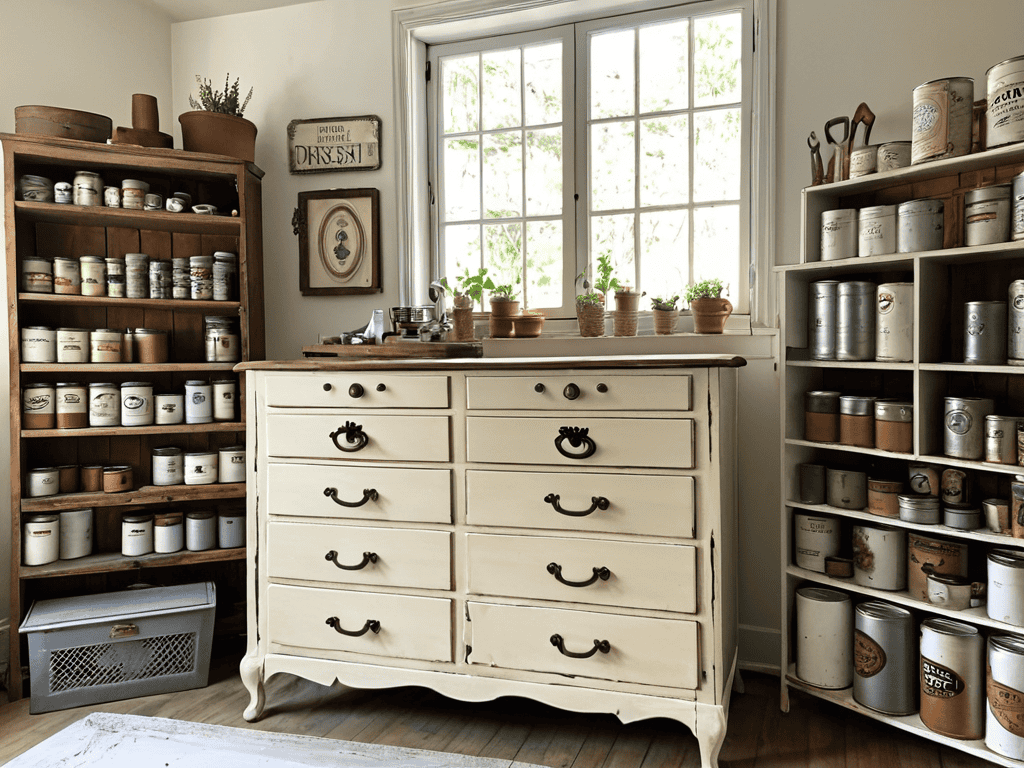
As we conclude this journey of upcycling an old piece of furniture with chalk paint, let’s reflect on the key takeaways that have guided us through this creative process. From selecting the perfect chalk paint colors to mastering various furniture restoration techniques, we’ve navigated the intricacies of breathing new life into relics of the past. It’s been a journey of elevating relics, not just refurbishing old furniture, but also uncovering the stories and character that each piece holds. By embracing this process, we’ve not only given old furniture a new lease on life but also infused our living spaces with unique, handcrafted pieces that reflect our personal touch.
As you stand back to admire your newly upcycled masterpiece, remember that the true beauty of this process lies not just in the transformed furniture, but in the journey of self-expression it has inspired within you. It’s about embracing the imperfections, celebrating the uniqueness of each piece, and viewing life’s challenges as opportunities to create something truly remarkable. So, let the art of upcycling be your catalyst for exploring new horizons of creativity and reflection, and may every brushstroke be a reminder of the incredible potential that lies within you to transform, to create, and to inspire.
Frequently Asked Questions
What are some common mistakes to avoid when using chalk paint for upcycling furniture?
As I reflect on my own creative journey, I’ve found that common mistakes to avoid when using chalk paint include uneven application, insufficient surface prep, and rushing the drying process. Just like navigating through life’s maze, patience and attention to detail are key to unlocking a beautiful, transformed piece.
How do I choose the right color and finish for my upcycled furniture to match my home decor?
Let’s navigate the colors of your ‘internal sky’ – consider the mood and atmosphere you want to create in your space. Think about the natural light, the hues of your walls, and the textures around you. As I design my intricate mazes, I look for harmony and balance; similarly, choose a chalk paint color that resonates with your home’s unique energy, and don’t be afraid to experiment with finishes to find the perfect blend.
What are some creative ways to distress or add unique textures to my chalk-painted furniture for a more personalized look?
As I gaze out at the metaphorical weather of creativity, I see a sky filled with possibilities. To add unique textures, try layering paint, using stencils, or incorporating natural elements like wood or stone. You can also experiment with distressing techniques, such as sanding or using a blowtorch, to reveal underlying layers and create a truly one-of-a-kind piece that reflects your story.
















+ There are no comments
Add yours