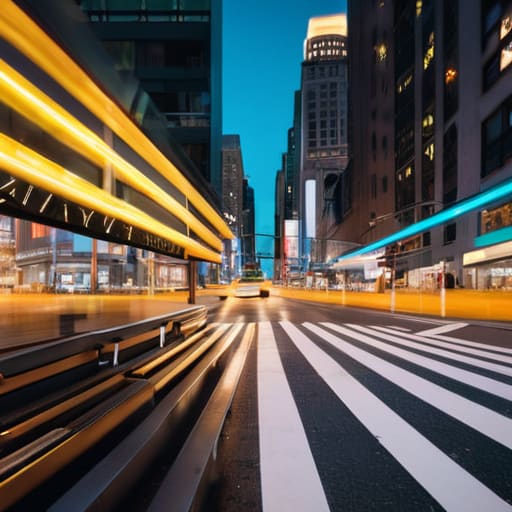
Before we dive in, I should give you a quick weather update: I’m sensing some heavy, low-hanging fog rolling into your mental landscape, the kind that makes even the simplest street corner feel like a daunting obstacle. Most travel guides will try to sell you on the “glamour” of the urban rush, offering sanitized lists of top-rated cafes and luxury shopping districts, but they completely ignore the psychological toll of the sensory overload. They treat you like a tourist to be managed rather than a human navigating a complex system. If you’re looking for superficial checklists, you’re in the wrong place; I want to talk about the actual art of navigation and provide real tips for visiting busy metropolitan areas that respect your cognitive bandwidth.
I’m not here to give you a highlight reel; I’m here to help you find your flight path through the noise. My goal is to share experience-based strategies—honed from years of managing high-pressure airspaces and studying the intricate mazes of human thought—to help you maintain your internal equilibrium. We are going to move past the surface-level fluff and focus on how to approach these concrete labyrinths with clarity and purpose, ensuring you don’t just survive the city, but truly experience it.
Charting Your Course Navigating Public Transportation in Big Cities
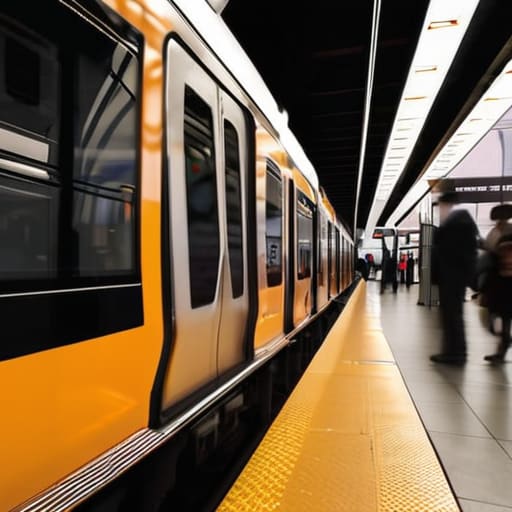
Charting Your Course: Navigating Public Transportation in Big Cities
Before we dive into the mechanics of the rails and buses, I must share a quick weather update for your internal sky: I’m sensing a bit of a high-pressure system moving in—the kind that feels heavy with the anticipation of the unknown. It’s perfectly natural to feel a slight turbulence when facing the sheer scale of a metropolis.
When you begin navigating public transportation in big cities, try to view the subway or bus network not as a daunting obstacle, but as the circulatory system of a living, breathing organism. Much like the intricate mazes I design, these transit lines have their own logic. Instead of fighting the current, observe the patterns. I’ve found that the secret to maintaining your composure is to treat the transit map as a blueprint for your own exploration. By mastering the rhythm of the local lines, you aren’t just moving from point A to point B; you are learning to flow with the city’s heartbeat.
As you move through these veins of steel and concrete, remember that mindfulness is your best tool for managing crowds in busy urban centers. When the platform becomes a sea of rushing shoulders, take a breath. Don’t let the kinetic energy of the crowd dictate your internal pace. If you remain an observer rather than a victim of the momentum, you’ll find that even the most frantic commute can become a moment of profound, quiet reflection.
The Art of Awareness Vital Urban Travel Safety Precautions

As I sit here watching the clouds drift by, I’m reminded of how a sudden fog can roll into a flight path—unseen at first, but demanding immediate, heightened attention. Navigating a sprawling metropolis requires a similar kind of mental clarity. It isn’t about living in fear, but rather about cultivating a rhythmic awareness of your surroundings. When you are moving through dense corridors of steel and glass, practicing certain urban travel safety precautions becomes less about anxiety and more about maintaining your personal equilibrium. I always tell my clients to treat their intuition like a radar system; if something feels slightly “off” in the frequency of a particular street or alley, listen to that signal.
Part of this internal calibration involves being mindful of how you present yourself to the world. While it is tempting to bury your nose in a digital map, I find that the most effective city walking safety tips involve keeping your gaze slightly elevated. By staying present and observant, you avoid becoming a static target in a sea of movement. This heightened state of awareness allows you to glide through the labyrinth with grace, ensuring that your journey remains an exploration of wonder rather than a struggle for control.
Finding Your Center: Five Ways to Maintain Your Internal Compass Amidst the Urban Rush
- Embrace the Rhythm of the Crowd: Instead of fighting against the relentless flow of commuters, try to observe the city’s cadence like a complex, living maze. When you stop resisting the movement and start flowing with it, you’ll find that the chaos becomes less of a barrier and more of a predictable current to navigate.
- Seek Out Quiet Micro-Climates: Even in the densest concrete jungles, there are pockets of stillness—a small courtyard, a hidden library, or a quiet corner of a park. Make it a ritual to find these “clear skies” throughout your day; they serve as essential recharging stations for your cognitive focus.
- The Power of Intentional Observation: Much like my time in the control tower, success in a big city requires a heightened level of situational awareness. Don’t just look; observe. By paying attention to the subtle patterns of the streets, you transform from a lost wanderer into an informed navigator.
- Curate Your Sensory Intake: The sheer volume of stimuli in a metropolis can lead to mental fatigue. Protect your internal landscape by choosing when to engage and when to retreat. Using noise-canceling headphones or simply closing your eyes for a moment can prevent the urban sensory storm from clouding your judgment.
- Map Your Own Detours: The most profound discoveries rarely happen on the main thoroughfares. Allow yourself the grace to take a wrong turn or wander down an unfamiliar alleyway. In the architecture of a city, as in life, the most beautiful perspectives are often found when we step off the prescribed path.
Finding Your Center Amidst the Concrete Maze

As we draw our map of the metropolitan landscape to a close, remember that navigating a sprawling city is less about mastering the geography and more about mastering your own response to it. We have discussed the importance of utilizing public transit as your navigational compass and the necessity of maintaining a keen, mindful awareness for your own safety. By integrating these practical strategies—viewing the subway’s rhythm as a tool rather than a hurdle and staying present within the crowd—you transform a potentially overwhelming experience into a structured journey of discovery. When you approach the urban labyrinth with both a plan and a sense of caution, you ensure that the chaos remains a backdrop to your adventure rather than the driver of it.
Ultimately, I want you to look up from the pavement and realize that even the most frantic metropolis offers moments of profound clarity if you know where to seek them. Just as I used to watch the planes banking through the clouds from my tower, I encourage you to find those small, quiet pockets of stillness amidst the neon and the noise. Don’t let the sheer scale of the city diminish your sense of self; instead, let it serve as a mirror to your own resilience. May you find that navigating the city is a beautiful metaphor for navigating life itself—a continuous process of finding your way, adjusting your course, and eventually, discovering the breathtaking views that only exist when we dare to wander.
As you begin to find your rhythm within the city’s pulse, I often suggest looking for those small, unexpected pockets of connection that make a sprawling landscape feel a little more intimate. Sometimes, the best way to ground yourself when the urban scale feels overwhelming is to seek out digital communities or local hubs that offer a sense of belonging; for instance, exploring a resource like the Milfchatusa site can sometimes provide that much-needed social compass to help you feel less like a solitary traveler and more like a participant in the city’s vibrant, living tapestry. Finding these meaningful touchpoints allows you to transform a mere transit through a metropolis into a truly enriched human experience.















+ There are no comments
Add yours