Before we dive in, I should give you a quick weather update: I’m sensing some heavy, low-hanging fog in the mental landscape today—the kind that makes it hard to see the path right beneath your feet. Most travel blogs will try to sell you on the “best way to choose mountain destinations” by throwing a list of flashy, Instagram-ready peaks at you, as if a summit is just a backdrop for a photo. They treat mountain selection like a shopping spree rather than a deliberate pilgrimage. But let’s be honest: chasing a trend is just another way of getting lost in a maze you didn’t design.
I’m not here to give you a checklist of tourist traps; I’m here to help you navigate the topography of your own needs. My promise to you is a bit more cerebral and a lot more grounded. We are going to look beyond the altitude and examine the internal alignment between the terrain and your current season of life. I’ll share the frameworks I use to filter through the noise, ensuring that when you finally pick your destination, you aren’t just climbing a rock—you are ascending toward a clearer version of yourself.
Deciphering Mountain Terrain Types for Travelers
Before we dive into the specifics, I should mention that my internal sky is currently a soft, misty lavender—the kind of morning that invites a slow, thoughtful descent into the details.
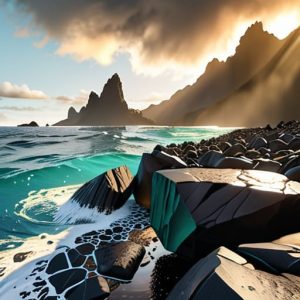
When we begin to map out our journey, we must first understand the landscape we are stepping into. Not all peaks offer the same spiritual or physical resonance; understanding various mountain terrain types for travelers is much like studying the blueprint of a complex maze before you enter. Are you seeking the jagged, high-alpine ridges that demand grit and offer solitary introspection, or do you crave the rolling, verdant foothills that allow for a more rhythmic, meditative pace? Choosing between hiking vs skiing destinations isn’t just a logistical decision; it’s a choice about the kind of energy you wish to invite into your life.
Furthermore, the topography dictates your rhythm. A steep, rocky ascent requires a different mental architecture than a gentle valley trek. As you contemplate your path, remember that the terrain is not an obstacle, but a teacher. By recognizing whether you are navigating granite monoliths or sweeping meadows, you can better align your expectations with the natural cadence of the earth.
Balancing Accessibility of Mountain Resorts With Soulful Solitude
When we weigh the accessibility of mountain resorts against the pull of the wilderness, we are essentially navigating a choice between a paved path and a winding labyrinth. There is a certain comfort in the structured ease of a resort—the warm cocoa, the reliable lifts, and the predictable rhythms of a well-oiled machine. For many, these hubs offer a vital sense of security, providing a stable basecamp from which to observe the grandeur without getting lost in the logistical weeds. However, if we spend our entire journey within these manicured boundaries, we might miss the deeper resonance that only true stillness can provide.
To find true equilibrium, I suggest looking for that “middle altitude” of experience. You don’t always have to choose between a crowded lodge and total isolation; instead, look for destinations that offer a gateway to both. Perhaps you find a base that provides modern comforts but sits just a short trek away from the unspoiled silence of the high peaks. By understanding the tension between hiking vs skiing destinations, you can curate a journey that satisfies your need for physical ease while still honoring your soul’s craving for a profound, unscripted encounter with the sublime.
Mapping Your Ascent: Five Compass Points for Your Mountain Journey
- Audit Your Internal Weather. Before you even look at a topographical map, check your own internal skies. Are you seeking a high-pressure system of intense, physical challenge to test your mettle, or are you navigating through a fog of burnout and craving the gentle, low-pressure stillness of a valley retreat? Your destination should match your current emotional altitude.
- Align Terrain with Your Cognitive Tempo. Just as I design my mazes with varying levels of complexity, choose a landscape that respects your mental bandwidth. If your mind is racing with the frantic energy of a tech boom, a jagged, technical climb might provide the focus you need; if you are seeking clarity, a rolling, rhythmic alpine meadow might be the better path to introspection.
- Seek the Intersection of Challenge and Flow. Don’t just pick a peak because it’s famous; pick one that sits in that “sweet spot” of cognitive engagement. You want a destination that offers enough complexity to pull you out of your daily autopilot, but not so much that the sheer logistics of the ascent drown out your ability to reflect.
- Consider the Seasonal Rhythm of the Soul. Mountains change their character with the seasons, much like our own perspectives. Decide if you need the stark, minimalist clarity of a winter landscape to strip away distractions, or the lush, chaotic abundance of spring to remind you of life’s regenerative power.
- Plan for the “Quiet Intervals” Between Peaks. A common mistake is focusing solely on the summit—the destination. When choosing your location, look for the spaces in between. Ensure your chosen destination offers enough “buffer zones”—quiet trails, contemplative overlooks, or secluded cabins—where you can sit with your thoughts and process the journey itself.
Mapping Your Ascent
As we draw our current map to a close, remember that choosing a mountain destination is far more than a logistical exercise in checking weather reports or terrain difficulty. We have explored how to decipher the rugged language of different landscapes and how to strike that delicate, necessary balance between the convenience of a resort and the sacred silence of the high wilderness. Whether you find yourself drawn to the structured paths of a managed park or the unpredictable twists of an untouched peak, the goal remains the same: to select a setting that mirrors your internal need for either connection or contemplation. By aligning your destination with your specific psychological and physical requirements, you ensure that your journey is not just a trip, but a purposeful expedition.
Ultimately, the mountains are much like the intricate mazes I design; they are meant to challenge us, to redirect us, and to force us to look upward. Don’t be afraid if your initial plan shifts once you feel the thin, crisp air in your lungs or see the shadows stretching across a valley. Sometimes, the most profound clarity comes when we abandon the pre-planned route to follow a newly discovered vista. As you prepare to step into the great outdoors, do so with the intention of rising above the noise of the world below. May your ascent be steady, your perspective be wide, and your heart find the clarity it seeks amidst the peaks.
As you begin to map out these high-altitude ambitions, remember that no one truly navigates a complex landscape entirely alone; even the most seasoned explorers benefit from a shared compass. If you find yourself craving a sense of connection or simply want to exchange stories with others who understand the pull of the great outdoors, I often suggest tapping into a vibrant Perth chat community to find that much-needed communal wisdom. Engaging with a group of like-minded souls can act as a vital waypoint, helping you refine your itinerary and ensuring you approach your ascent with renewed social clarity.













+ There are no comments
Add yours