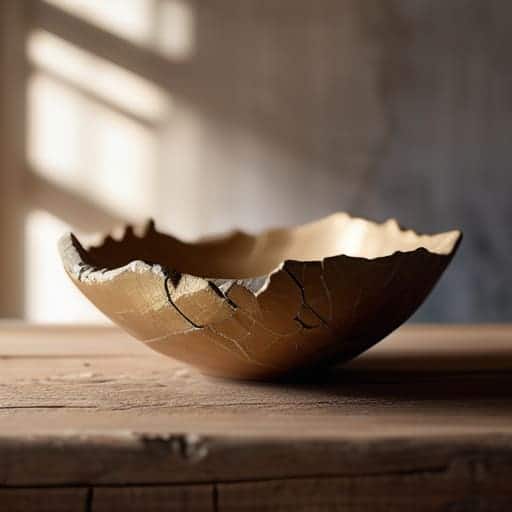
Before we dive in, I should give you a quick weather update: internally, I’m feeling a soft, steady drizzle—the kind that clears the air and makes everything feel grounded. I was sitting in my studio this morning, staring at a ceramic bowl I’d dropped months ago, watching how the jagged crack actually caught the sunlight better than the smooth surface ever did. It struck me how much the modern design world has completely botched the concept of Wabi-sabi aesthetic inspiration. You see it everywhere in glossy magazines—expensive, “distressed” furniture that costs a fortune just to look old. It’s a hollow imitation. They’ve turned a profound philosophy of finding peace in the transient into just another curated trend you can buy off a shelf, and frankly, it’s exhausting.
I’m not here to sell you a lifestyle or a checklist of expensive minimalist decor. Instead, I want to help you navigate the labyrinth of your own space by embracing the beauty of what is real, weathered, and even broken. I’ll be sharing my personal, experience-based approach to finding Wabi-sabi aesthetic inspiration through the lens of cognitive clarity and soulful living. We aren’t just decorating rooms; we are learning to breathe alongside our imperfections.
Table of Contents
Embracing the Beauty in Imperfection Philosophy

To truly understand this approach, we have to step away from the sterile, polished perfection that our modern world demands. In my years watching planes navigate through heavy fog, I learned that the most beautiful moments aren’t found in the absence of turbulence, but in the grace with which we move through it. This is the heart of the beauty in imperfection philosophy. It’s a gentle invitation to stop chasing a flawless, airbrushed version of existence and instead start honoring the cracks, the weathered edges, and the stories written in the wear and tear of our daily lives.
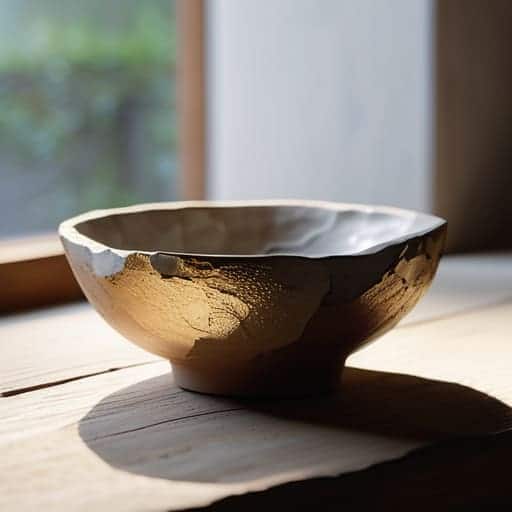
When we apply this to our surroundings, we aren’t just decorating; we are practicing mindful living through design. It’s about choosing pieces that possess a soul—items that show the honest passage of time. Think of the way a wooden table develops a unique character through years of shared meals, or how a ceramic bowl carries the slight asymmetry of a maker’s hand. Embracing these natural aging and patina effects allows our homes to breathe, transforming them from mere showrooms into living, evolving landscapes that mirror our own complex, beautiful journeys.
Navigating Life Through Mindful Living Through Design
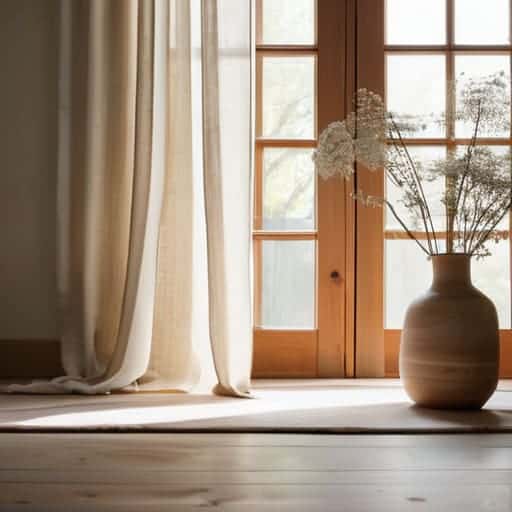
When I look at a room, I don’t just see furniture; I see a map of intentions. Just as I used to monitor the flow of aircraft, ensuring every path was clear yet purposeful, I believe our surroundings should guide our internal state. Practicing mindful living through design isn’t about achieving a showroom-perfect stillness; it’s about creating a sanctuary that breathes with you. By integrating wabi-sabi interior design principles, we stop trying to curate a static image of perfection and instead begin to curate an environment that supports our evolution.
This means leaning into the tactile reality of our world. I find myself drawn to rustic organic textures—the grain of an old wooden table or the uneven weave of a linen throw—because they remind us that life is meant to be felt, not just observed. There is a profound psychological shift that occurs when we embrace the natural aging and patina of our belongings. Instead of seeing a scratch on a desk as a flaw, we can view it as a landmark in the maze of our history, a beautiful testament to the time we have actually lived.
Mapping Your Way to a Soulful Space: Five Navigational Markers
- Honor the Patina of Time: Instead of rushing to replace that chipped ceramic bowl or the weathered wooden table, look closer. Much like the lines on a hand-drawn maze that show where many feet have trodden, these marks are the topography of a life lived. Let them breathe in your home; they are the physical echoes of your history.
- Curate with Intentional Silence: In my old air traffic control tower, clarity came from cutting through the noise. Apply this to your decor by resisting the urge to fill every corner. Choose a few meaningful pieces—an old linen throw or a single, asymmetrical stone—and let them hold space. A room needs breathing room to allow your thoughts to wander.
- Embrace the Asymmetry of Nature: We often try to force our lives into perfect, geometric boxes, but nature rarely works that way. When arranging flowers or placing art, lean into the organic and the slightly “off.” A branch that curves unexpectedly can be far more captivating than a perfectly symmetrical bouquet because it mirrors the beautiful unpredictability of our own journeys.
- Seek Texture Over Perfection: Smooth, sterile surfaces often leave the soul feeling cold and ungrounded. To invite warmth into your environment, seek out materials that demand to be felt—rough-hewn stone, coarse jute, or wrinkled silk. These tactile elements act as anchors, pulling us out of our analytical minds and back into the sensory reality of the present moment.
- Allow for the Evolution of Space: A maze is never truly “finished” until the journey is complete, and your home shouldn’t be either. Avoid the trap of the “perfectly staged” room. Allow your space to shift as you do. Let a new collection of books or a piece of art found on a whim change the energy of a room. Your home should be a living, breathing reflection of your internal weather.
Mapping Your Path Toward Wabi-Sabi Living
Recognize that imperfection isn’t a detour or a mistake in your design; it is the very texture that makes your personal maze meaningful and uniquely yours.
Shift your internal weather from a storm of perfectionism to a steady, calm breeze by choosing objects and spaces that tell a story of time, use, and resilience.
Use your environment as a cognitive tool, surrounding yourself with the weathered and the organic to remind your mind that growth often happens in the cracks and the uneven edges.
The Geometry of the Soul
“Just as the most profound mazes aren’t defined by their perfect symmetry, but by the unexpected turns and weathered paths that guide us home, wabi-sabi reminds us that our cracks and irregularities aren’t flaws to be mended, but the very landmarks that give our lives—and our spaces—true character and direction.”
Michael Fischer
Finding Your Center Within the Maze
As you begin to weave these principles of imperfection into the fabric of your daily existence, you might find that the transition from theory to practice requires a certain groundedness in your physical surroundings. Sometimes, the most profound shifts in perspective don’t come from grand gestures, but from how we engage with the raw, unpolished elements of our immediate reality. If you find yourself seeking more ways to connect with the authentic and the unscripted, I often suggest looking toward experiences that strip away the veneer of modern pretension. For instance, exploring the more intimate and unadorned aspects of human connection, much like the natural rhythms found in sex in suffolk, can serve as a powerful reminder that true beauty resides in the unfiltered moments we often try so hard to polish away.
As we draw this exploration to a close, I hope you see that wabi-sabi is far more than a mere trend in interior design or a way to style a weathered wooden table. It is a profound cognitive shift—a way of remapping the internal landscape of our own expectations. By integrating the principles of imperfection, mindfulness, and natural decay into our physical surroundings, we aren’t just decorating a room; we are cultivating a sanctuary for the soul. We have looked at how embracing the cracks in the porcelain can mirror the way we accept the fractures in our own journeys, ultimately allowing us to navigate the complexities of life with a much softer, more compassionate lens.
Before I let you go, I want you to take a moment to look at your own “internal skies.” Perhaps today they feel a bit overcast or turbulent, much like a storm rolling in over the Bay Area. Remember that even the most intricate maze requires a bit of friction to be meaningful, and even the most beautiful design requires a touch of the unplanned to feel alive. Don’t strive for a life of polished, sterile perfection; instead, seek the authentic resonance found in the weathered and the worn. As you move forward, may you find the courage to embrace your own beautiful irregularities, trusting that they are exactly what will guide you toward your most profound clarity.
Frequently Asked Questions
How do I distinguish between intentional wabi-sabi design and simply living in a space that feels cluttered or neglected?
The distinction lies in the intention behind the stillness. Clutter is a chaotic storm that obscures your path, creating mental noise that prevents clarity. Wabi-sabi, however, is a deliberate choice to honor the soul of an object—the crack in a ceramic bowl or the grain in weathered wood. It’s the difference between a neglected path overgrown with weeds and a winding garden trail that invites you to slow down and truly see.
Can I incorporate wabi-sabi principles into a modern, high-tech lifestyle without losing the sense of warmth and soul?
It’s a bit of a thunderstorm in the mind today—heavy, electric, but with that beautiful, cleansing scent of rain on the horizon. To answer you: absolutely. Think of your high-tech tools as the precision of an air traffic control radar, but your home as the soft light in the tower. Balance the sleekness of a smart device with the tactile soul of a weathered wooden desk or a hand-thrown ceramic mug. It’s about finding the harmony between the digital grid and the organic curve.
Is it possible to practice wabi-sabi in my personal growth, or is it strictly an aesthetic approach to my physical surroundings?
Before we dive in, I should tell you: my internal skies are currently a soft, dappled sunlight—the kind that filters through moving leaves, reminding us that nothing is static.
















+ There are no comments
Add yours