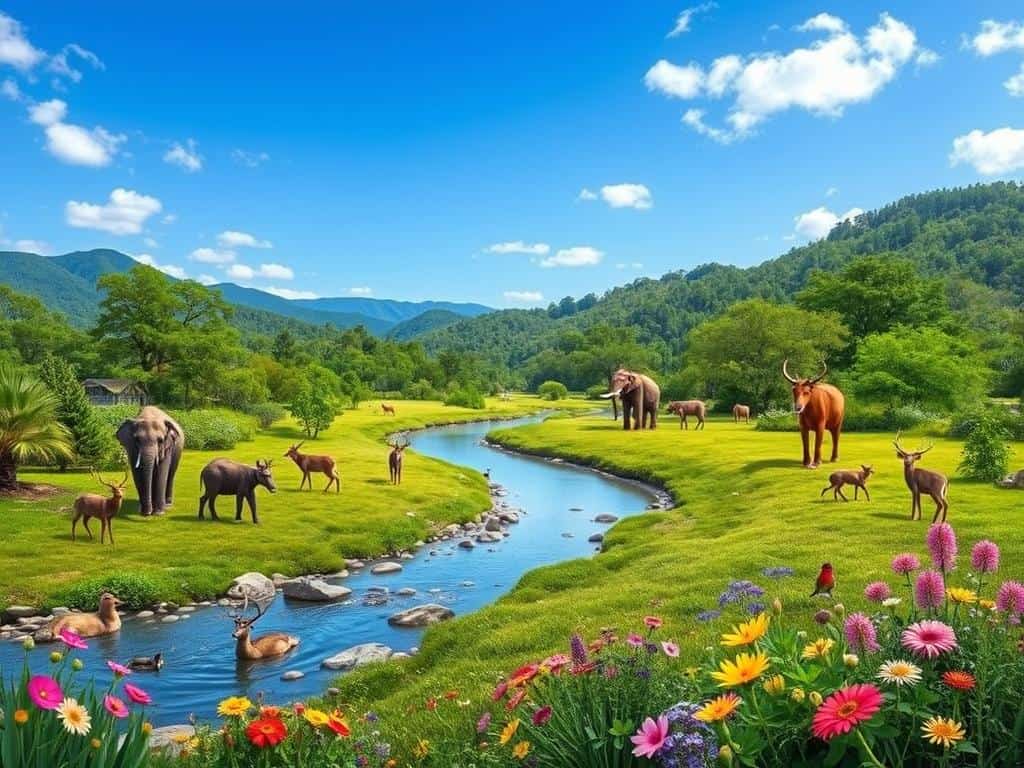
Did you know wildlife sanctuaries get an average rating of 4.3 out of 5 from 23 votes? This shows how much people love and appreciate these places. They are key spots for conservation, giving safe homes to many animals and letting us enjoy their beauty.
Places like Tierra del Fuego National Park are amazing, with 20 mammal species. Eco trips here help us understand and love wildlife more. These sanctuaries are very important for teaching us about nature and helping animals.
Key Takeaways
- Wildlife sanctuaries help protect and rehabilitate various species.
- Connecting with nature through eco trips can enhance awareness of conservation.
- Sanctuaries like Lone Pine Koala Sanctuary and Sloth Sanctuary lead in the rescue and rehabilitation of specific species.
- Each sanctuary offers unique experiences, from observing wildlife in their natural environment to interactive educational programs.
- Visiting these sanctuaries directly supports their conservation efforts and promotes animal welfare.
What Are Wildlife Sanctuaries?
Wildlife sanctuaries are special places where animals get help and care. They are not like zoos. Animals in sanctuaries can move around in areas that feel like their natural homes.
These places focus on caring for animals forever. They show visitors how animals are helped without being used for shows. It’s a chance to see the hard work in animal care.
Learning about wildlife is key in these places. Visitors get to know why we need to protect animals. My visits have taught me how important these safe places are.
Exploring the Best Wildlife Sanctuaries Across the Globe
Wildlife sanctuaries around the world are key in saving biodiversity and protecting endangered animals. Yellowstone National Park and Mosi-oa-Tunya are notable for their unique ecosystems and diverse wildlife. Visiting these places lets us see nature’s beauty and why eco-tourism is vital.
Yellowstone National Park, USA
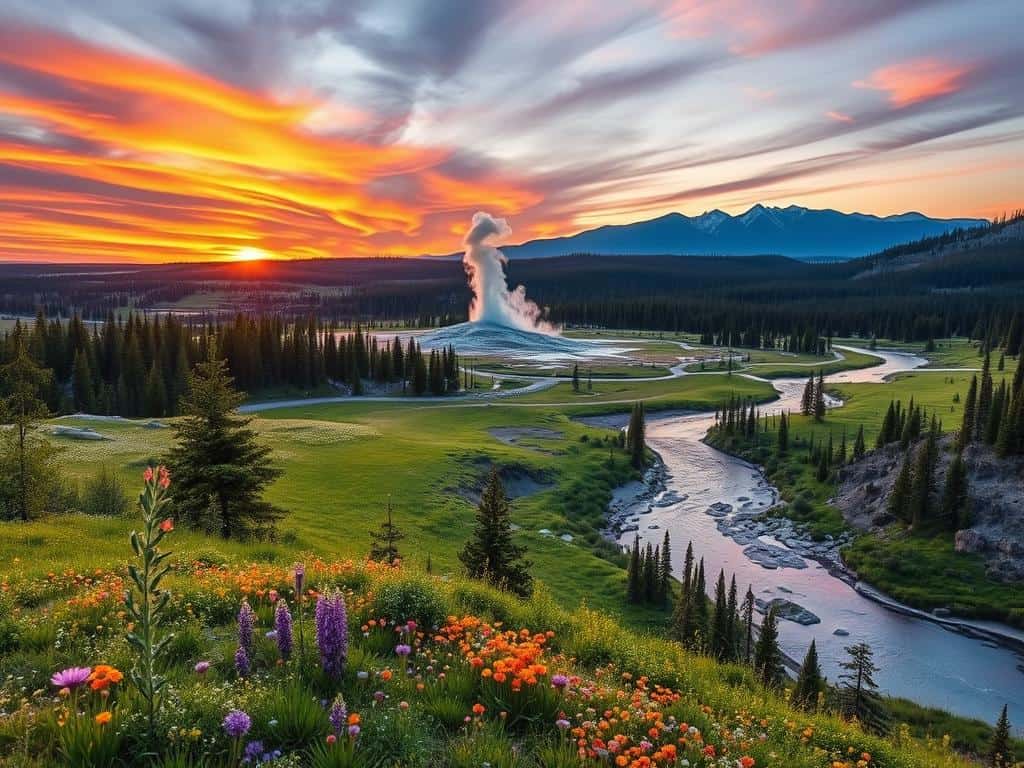
Yellowstone National Park was the world’s first national park, opened in 1872. It covers 3,468 square miles and is home to grizzly bears, wolves, bison, and elk. This park is famous for its wildlife and geothermal wonders, drawing millions of visitors each year.
Mosi-oa-Tunya/Victoria Falls, Zambia/Zimbabwe
Mosi-oa-Tunya, on the Zambia-Zimbabwe border, offers stunning views of Victoria Falls. It’s a vital spot for wildlife conservation, housing elephants, giraffes, and more. Visiting Mosi-oa-Tunya lets us see the rich wildlife and learn why we must protect these areas for the future.
Eco Trips: Connecting with Nature at Animal Reserves
Going on eco trips lets you dive into nature and learn about wildlife conservation. Visiting animal reserves helps you understand special species and supports their protection. Two places stand out for their conservation work and eco-friendly tourism.
Sloth Sanctuary, Costa Rica
The Sloth Sanctuary in Costa Rica is the first place dedicated to sloths. It’s a home for both two-toed and three-toed sloths. During my visit, I learned about their important conservation work.
Walking through the rainforests, I saw the area’s rich biodiversity. The staff shared interesting facts about sloths and their homes. It was a truly enriching experience.
Lone Pine Koala Sanctuary, Australia
In Australia, the Lone Pine Koala Sanctuary is a top spot for wildlife lovers. It’s home to over 100 koalas and also cares for kangaroos and wombats. Visitors can join educational programs and hands-on activities.
These experiences help you appreciate these unique animals more. It shows how important it is to love and protect our environment.
Conclusion
Exploring wildlife sanctuaries has shown me their importance. They protect many species and support global conservation. Places like Kaziranga National Park are key in saving endangered animals, like the one-horned rhinoceros. They also offer unique nature experiences that make us appreciate the variety of life.
Sanctuaries are strict about stopping hunting and poaching. This shows their dedication to animal welfare. It’s why they are vital for the survival of wildlife.
Wildlife sanctuaries do more than just protect animals. They also help the environment by cleaning water and absorbing carbon dioxide. Visiting these places can spark a deep connection with nature and support conservation.
They also help local communities by creating jobs. This makes nature preservation sustainable. It’s a win-win for both the environment and people.
Wildlife sanctuaries are essential in our fight against biodiversity loss. With over 20,000 species at risk, their work is critical. By supporting and visiting these sanctuaries, we can make a difference. We also get to enjoy amazing nature experiences.















+ There are no comments
Add yours