Before we begin, I should give you a quick weather update: I’m sensing a bit of a heavy fog rolling in over the landscape of modern gardening advice—that thick, grey mist of expensive gadgets and “must-have” designer raised beds that promise instant success. Most people approach learning how to start a vegetable garden as if they are trying to navigate a complex airspace without a radar, getting lost in a labyrinth of unnecessary complexity and high-priced retail hype. They think you need a specialized irrigation system and a PhD in soil chemistry just to grow a single tomato, but that’s a false horizon that only serves to clutter your path and drain your spirit.
I’m not here to sell you a complicated blueprint or a list of overpriced tools. Instead, I want to help you rise above the noise and find the clear flight path toward a productive patch of earth. My promise to you is a grounded, experience-based guide that focuses on the fundamental cognitive shift from “buying a garden” to “cultivating a life.” We are going to strip away the fluff and focus on the essential patterns of light, soil, and patience, ensuring you can navigate your way to a bountiful harvest with absolute clarity and purpose.
Mapping the Terrain Raised Bed vs in Ground Gardening

As you begin to visualize the layout of your sanctuary, remember that gardening is rarely a solitary flight; it is a communal journey of shared wisdom and seasonal rhythms. Much like finding a reliable co-pilot when navigating a complex weather system, connecting with others who understand the local soil and spirit can transform your experience from a struggle into a harmonious dance. If you find yourself seeking that sense of human connection and shared discovery, you might find unexpected inspiration in meeting people in Australia who are also navigating their own unique landscapes. Surrounding yourself with a community of fellow explorers ensures that even when the path through the garden feels winding, you are never truly lost.
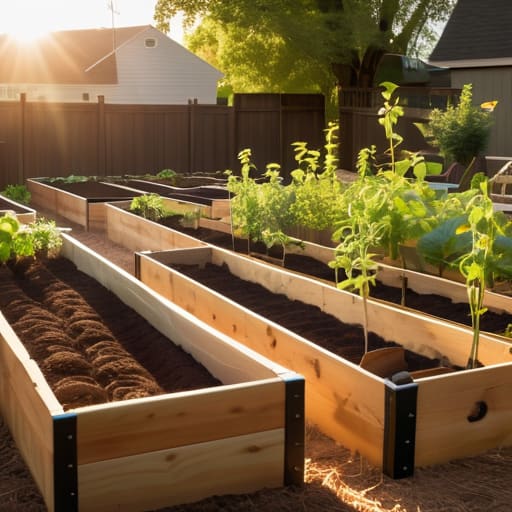
Before we dig into the dirt, we must look at the blueprint of our intentions. Deciding between raised bed vs in-ground gardening is much like choosing the architecture of a maze; one offers a structured, controlled path, while the other allows for a more organic, sprawling exploration of the landscape. Raised beds act as curated containers, providing you with total command over your soil preparation for vegetable gardens. Because you are importing high-quality, nutrient-dense earth into these frames, you bypass the unpredictable temperament of the native ground, creating a predictable sanctuary for your seeds to thrive.
On the other hand, in-ground gardening is an exercise in patience and deep connection with the existing terrain. It requires a more intimate dialogue with the land as you work to amend what is already there. While it may feel more daunting to navigate the complexities of drainage and compaction, there is a profound, grounding beauty in working with the earth’s natural contours. Whether you choose the elevated precision of a bed or the raw authenticity of the soil, remember that the goal is to create a space where your vision can eventually take root and flourish.
Illuminating the Path Essential Vegetable Garden Sunlight Requirements
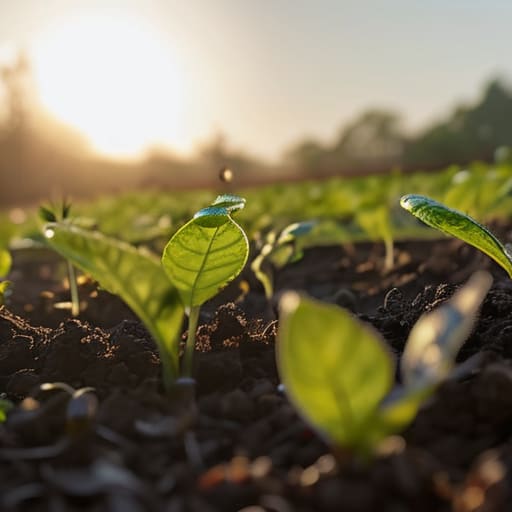
Before we dig into the dirt, we must look upward. As I scan the horizon of a new project, I often find that the most critical element isn’t what lies beneath our feet, but the light that descends from above. Understanding your vegetable garden sunlight requirements is much like checking the weather before a flight; you wouldn’t dream of taking off into a heavy fog without knowing what to expect. Most sun-loving crops act like solar collectors, demanding at least six to eight hours of direct, unobstructed radiance to fuel their growth. Without this energy, even the most meticulous soil preparation for vegetable gardens won’t be enough to sustain a thriving harvest.
However, not every plant seeks the intensity of the high noon sun. Some varieties prefer the dappled, softer light of the morning, much like how we sometimes need a quieter, more reflective headspace to process complex thoughts. If your patch of earth is shaded by a towering oak or the corner of your home, don’t despair. You simply need to adjust your map. By selecting leafy greens or certain herbs that thrive in partial shade, you are essentially finding a new pathway through the maze, ensuring that even in the shadows, life finds a way to flourish.
Navigating the Nuances: Five Compass Points for Your Growing Journey
- Selecting Your Seeds with Intention: Much like choosing a flight path, you must select seeds that are compatible with your local climate and your personal vision; don’t just plant what is popular, plant what will truly thrive in your specific internal and external environment.
- The Alchemy of Soil: Before you commit to the surface, you must understand the foundation; treat your soil preparation not as a chore, but as the creation of a rich, cognitive substrate that will nourish both the plant and your patience.
- Hydration as Rhythm: Water is the lifeblood of your garden, yet it requires a disciplined hand; find a steady, mindful rhythm of irrigation that mimics the ebb and flow of a calm tide, ensuring you provide sustenance without causing a flood of chaos.
- The Art of Gentle Intervention: As your garden begins to emerge from the labyrinth of the earth, resist the urge to over-manage; learn to observe the subtle shifts in leaf and stem, intervening only when necessary to guide growth rather than forcing it.
- Embracing the Imperfect Path: Expect the unexpected—a sudden pest or a bout of blight is merely a detour in your maze; view these setbacks not as failures, but as essential moments of reflection that teach you how to adapt and find new ways to flourish.
Cultivating the Harvest Within
As we reach the edge of this particular labyrinth, take a moment to look back at the map we have drawn together. We have navigated the structural decisions between the controlled precision of raised beds and the deep, grounded connection of in-ground planting, and we have scanned the horizon to ensure your seedlings find the vital sunlight they need to thrive. Remember, starting a garden is not merely a checklist of soil pH and irrigation schedules; it is about aligning your physical environment with the biological needs of your chosen crops. By mastering these foundational elements—the terrain and the light—you are effectively clearing the fog from your flight path, ensuring that your initial steps are taken with intentionality and foresight.
Ultimately, a garden is much like the intricate mazes I design: it is a living, breathing process of trial, error, and profound discovery. There will be seasons of unexpected storms and moments where the path forward seems obscured by weeds, but do not let a cloudy sky dampen your spirit. View every wilted leaf as a piece of data and every bountiful harvest as a testament to your resilience. I encourage you to step into your garden not just as a laborer, but as a curator of life, finding peace in the rhythmic cycle of growth. Trust your ability to navigate the complexities, and soon, you will find that the most beautiful blooms are often those that grew from the lessons learned in the dirt.














+ There are no comments
Add yours