
Did you know a study from the University of Chicago found sleep loss can greatly affect fat loss? Getting only 5.5 hours of sleep each night for two weeks can cut fat loss by 55 percent. This shows how important metabolism is for weight management and health. By boosting our metabolic rate, we can burn more calories, even when we’re not moving, helping with fat loss and keeping weight off.
In this article, I’ll share easy, science-backed ways to boost your metabolism. You’ll learn how to change your diet and add certain workouts to your routine. These tips will help you control your body’s calorie burn and make your metabolism work for you.
Key Takeaways
- Metabolism is essential for burning calories, even at rest.
- High protein intake can significantly improve metabolic rate.
- Incorporating strength training can enhance metabolism for hours after workouts.
- Getting quality sleep is key for effective fat loss.
- Regular high-intensity workouts boost your metabolism effectively.
The Importance of Metabolism
Understanding metabolism is key to keeping energy levels up and managing weight. It’s a series of chemical reactions that turn food into energy for breathing, digestion, and fixing cells. A healthy metabolism keeps my body running well and helps me perform better all day.
Understanding Metabolism and Its Functions
Metabolism is vital for using energy from food. It includes breaking down molecules for energy and building compounds for growth and repair. Having a good metabolic rate keeps my energy steady and helps me do daily tasks well.
Factors Affecting Metabolic Rate
Many things can change how fast my metabolism works. My body’s makeup, like muscle versus fat, is a big factor. Age and sex also matter; men usually have a faster metabolism because of more muscle. As I get older, losing muscle can slow down my metabolism, making it harder to keep a healthy weight.
Other things like how active I am, what I eat, and my hormones also affect my metabolism. For example, exercise can keep my metabolism high even after I stop. But not getting enough sleep can make me eat more, making it harder to control my weight.
Boosting Metabolism: 3 Simple Steps
Boosting my metabolism is easy with a few simple changes. I eat more protein, do high-intensity workouts, and include strength training. These steps help me build muscle and burn fat.
Increase Protein Intake
Boosting my metabolism starts with more protein. I eat lean meats, dairy, legumes, and nuts. This not only builds muscle but also burns more calories during digestion.
By focusing on protein, I keep my metabolism high and help my body retain muscle while losing weight.
Engage in High-Intensity Workouts
High-intensity workouts, like HIIT, really boost my metabolism. HIIT mixes short, intense exercises with rest. It burns calories during and after the workout.
This keeps my metabolism high for hours. It’s a great way to burn fat.
Incorporate Strength Training
Strength training is key for a faster metabolism. It builds muscle, which burns more calories than fat. This means I burn calories even when I’m not working out.
Doing strength training regularly helps me use more glucose and keeps my metabolism up. The Physical Activity Guidelines suggest doing it at least two days a week.
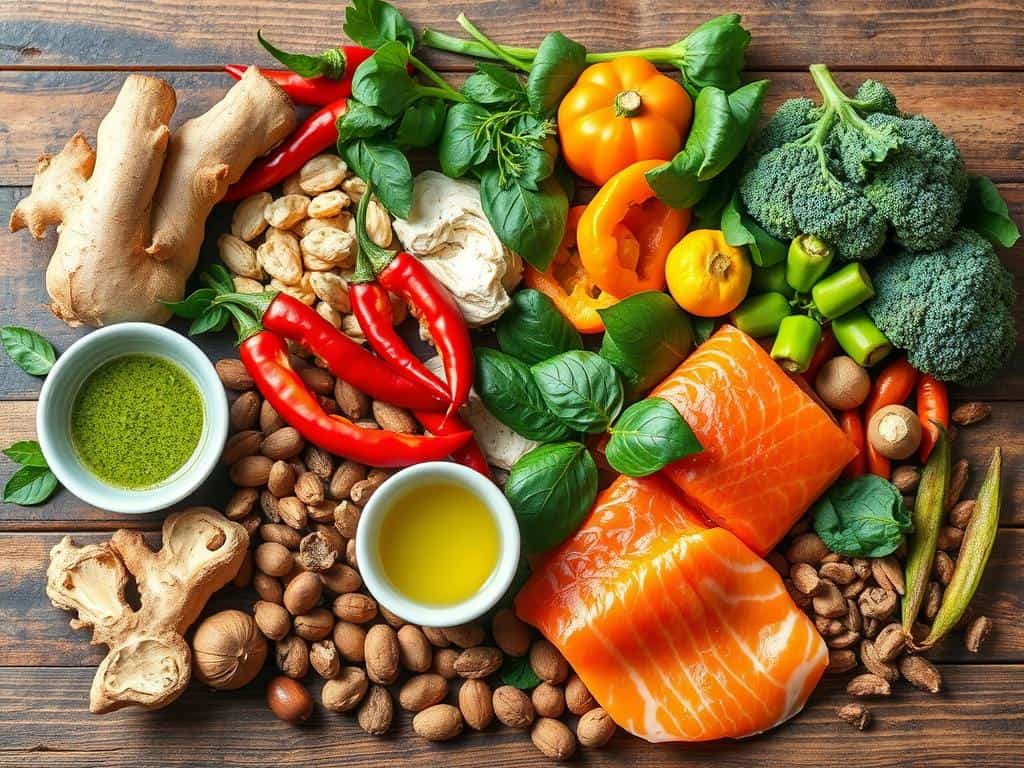
Additional Tips for a Faster Metabolism
Adding simple habits to your daily routine can boost your metabolism and health. Drinking enough water and getting quality sleep are key. These habits help your body work better.
Stay Hydrated
Drinking enough water is vital for a healthy metabolism. It can increase your metabolic rate by about 30% for a short while after drinking. Drinking water before meals helps control hunger and boosts metabolism.
Staying hydrated also gives you more energy. This lets you stay active and burn more calories all day.
Get Quality Sleep
Good sleep is key to keeping your metabolism stable. Not getting enough sleep can mess with your hormones. This can make you hungrier and crave unhealthy foods.
Research shows that not sleeping enough can slow down fat burning. Aim for 7 to 8 hours of sleep each night. This keeps your energy up and helps your metabolism work better.
Conclusion
Boosting metabolism is not a simple task. It needs a careful and varied approach that fits into my daily life. By making smart food choices, like eating more protein and choosing low-carb foods, I can really boost my metabolism. Studies show that these changes can make a big difference.
Exercise is also key. Regular physical activity, like cardio and strength training, helps burn calories and keeps my metabolism going. It’s not just about the food I eat, but also how active I am.
Lastly, getting enough sleep is essential. Lack of sleep can slow down my metabolism, making it harder to lose weight. By aiming for 7-9 hours of sleep each night, I can support my metabolic health.
In conclusion, boosting metabolism is a journey that requires a mix of healthy eating, regular exercise, and good sleep. By following these tips, I can improve my metabolism and achieve my weight loss goals.















+ There are no comments
Add yours