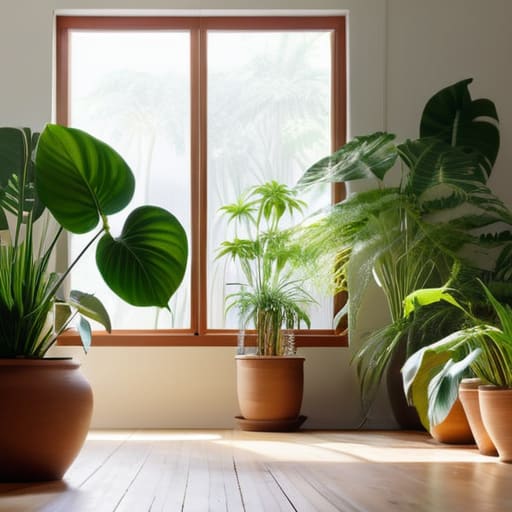
Before we dive in, I should probably give you a quick weather update for your internal skies: I’m sensing a bit of a low-pressure system moving in, likely born from that heavy, humid feeling of frustration when a new leaf turns yellow overnight. Most people will tell you that starting a garden requires an expensive array of specialized sensors, pH testers, and high-tech lighting rigs, but honestly? That’s just noise. They treat nature like a complex piece of software that needs constant debugging, when in reality, a true beginner guide to indoor plant care shouldn’t feel like a technical manual for a spacecraft. It should feel like learning to listen to a quiet, living rhythm.
I’m not here to sell you on a lifestyle of perfection or a cabinet full of unnecessary gadgets. Instead, I want to offer you a way to navigate this green labyrinth by understanding the fundamental cognitive connections between your environment and your plants’ needs. We are going to strip away the hype and focus on the essential patterns of light, water, and patience. My promise is to provide you with an honest, experience-based roadmap that helps you cultivate not just a collection of greenery, but a sense of grounded clarity amidst the chaos of your daily life.
Finding Clarity Through Low Light Indoor Plants
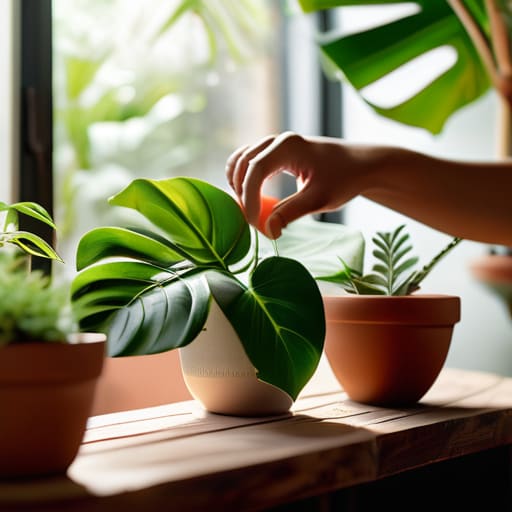
As you begin to harmonize your home with these living companions, you might find that the joy of cultivation extends far beyond the solitary act of pruning a leaf; it is often most profound when shared with a community. Just as I find solace in the intricate patterns of a new maze, there is a unique clarity found in connecting with others who seek to enrich their environments and their social landscapes. If you ever feel the urge to expand your horizons beyond your windowsill and find a sense of belonging through shared experiences, exploring ways of meeting people in Germany can be a wonderful way to nurture your own social ecosystem and find fresh inspiration for your personal journey.
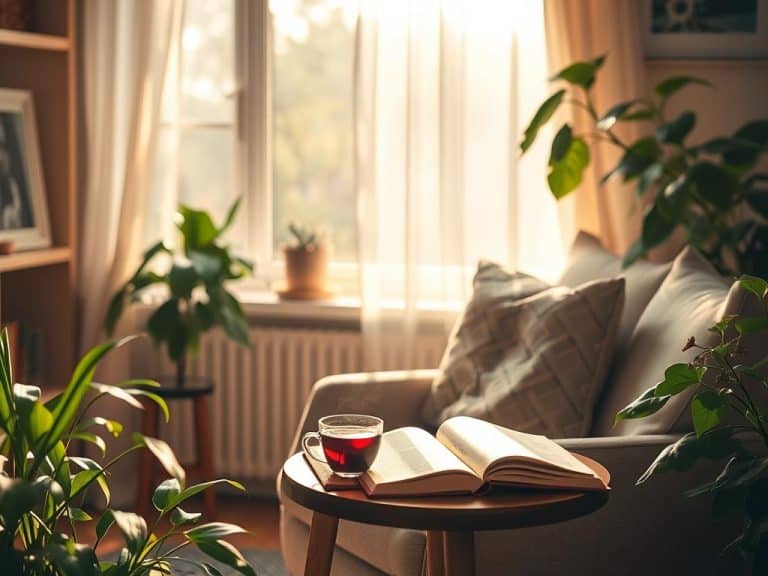
Sometimes, our internal landscapes feel a bit shadowed, much like a room tucked away from the direct glare of the sun. In those moments of quiet or perhaps even stagnation, I find that tending to low light indoor plants can be a profound act of patience. These resilient species, like the Snake Plant or the ZZ Plant, don’t demand the constant, blinding brilliance of a midday sun; instead, they thrive in the soft, diffused corners of our lives. They remind us that growth doesn’t always require a spotlight; sometimes, the most meaningful progress happens in the gentle, overlooked spaces.
When you are navigating these dimmer corners of your home, it is vital to remember that light isn’t the only variable in the equation. Because these plants process energy more slowly, you must be mindful of your houseplant watering schedules to avoid overwhelming them. It’s a delicate dance of observation—learning to read the subtle cues of a drooping leaf or a parched stem. By mastering this rhythm, you aren’t just keeping a plant alive; you are practicing the art of attuned presence, finding a steady pulse of life even when the world feels a little dim.
Mastering the Rhythm of Houseplant Watering Schedules
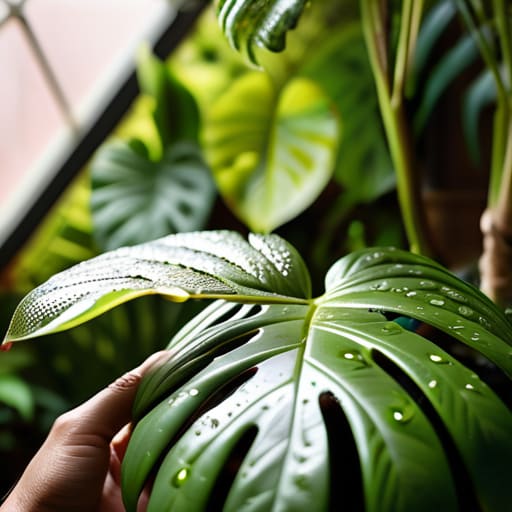
When I spent my years in the air traffic control tower, I learned that timing isn’t just a metric; it’s a lifeline. If you miss a window or misjudge the momentum, the entire system feels the friction. I see houseplant watering schedules in much the same way. It is tempting to treat watering as a rigid, weekly ritual—a checkbox on a to-do list—but nature rarely follows a human calendar. Instead of looking at the date on your phone, I encourage you to look at the plant itself. Is the soil pulling away from the edges of the pot? Does the leaf feel slightly less turgid than it did yesterday?
Learning this rhythm is much like navigating a complex maze; you have to feel your way through the turns rather than rushing toward a perceived exit. You must become an observer of the subtle shifts in indoor plant soil requirements and moisture levels. By tuning into these quiet signals, you move away from the anxiety of “doing it right” and toward a state of intuitive connection. You aren’t just maintaining a decoration; you are participating in a slow, living dialogue.
Decoding the Silent Language of Your Green Companions
- Observe the subtle shifts in leaf posture; much like a change in the wind, a drooping leaf isn’t just a sign of thirst, but a quiet request for you to pause and re-evaluate the environment you’ve built for it.
- Treat soil moisture as a tactile dialogue rather than a rigid rule, dipping your finger into the earth to feel the actual texture, allowing you to connect with the plant’s immediate reality instead of following a sterile, predetermined schedule.
- Mind the drainage as if you were navigating a narrow corridor in one of my mazes; ensuring excess water has a clear exit path prevents the stagnation that can lead to root rot, keeping the foundation of your plant’s life stable and clear.
- Embrace the slow evolution of growth, recognizing that a new bud is a small victory in a much larger journey, teaching you the patience required to watch a complex system unfold in its own time.
- Curate your plant placement as an intentional design of light and shadow, understanding that every leaf is seeking its own unique angle of clarity to fuel its internal engine of growth.
Cultivating Your Living Sanctuary
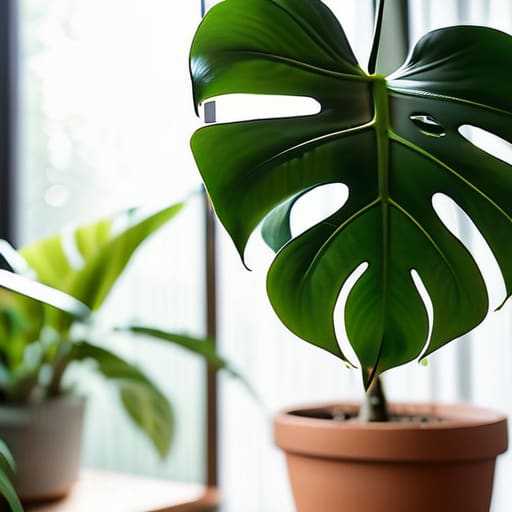
As we draw our gaze back from the intricate details of soil moisture and light requirements, remember that you have done more than just learn a set of instructions; you have begun to understand a living rhythm. By selecting plants that thrive in your specific environment and learning to respect the delicate cadence of their hydration, you are effectively mapping out a new landscape within your home. We have explored how low-light varieties can offer steady companionship in the shadows and how mastering the art of watering is less about a rigid schedule and more about tuning into the subtle signals of life itself. These aren’t just tasks on a checklist; they are the foundational steps in building a symbiotic relationship with the greenery around you.
Ultimately, tending to an indoor garden is a beautiful metaphor for the way we must tend to our own internal ecosystems. Just as a plant requires the right balance of nourishment and space to flourish, we too must navigate the twists and turns of our personal growth with patience and grace. Do not be discouraged if a leaf withers or a stem bends unexpectedly; in the grand labyrinth of life, even a setback is merely a new pathway toward understanding. As you continue to nurture these small lives, I hope you find that you are simultaneously nurturing a sense of grounded peace within your own soul. Keep watching, keep learning, and let your spirit bloom alongside your garden.












+ There are no comments
Add yours