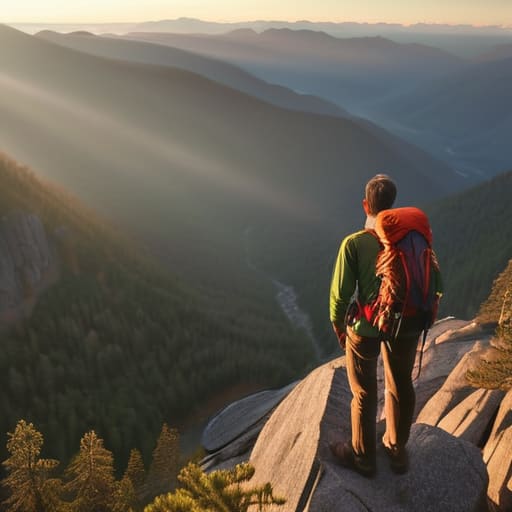
Before we dive in, I should give you a quick weather update: my internal skies are currently a brilliant, high-pressure blue, though there’s a slight, invigorating breeze coming off the coast of memory. I was thinking about this while staring at a topographical map of Zion last night, and it hit me how much we overcomplicate the simple act of being present. Most “experts” will try to sell you a $500 survival kit or a rigid, fear-based checklist, but that’s not what it’s about. Learning how to explore national parks safely isn’t about arming yourself against nature as if it were an enemy; it’s about developing the cognitive awareness to read the terrain before it reads you.
I’m not here to give you a list of generic warnings you could find on a laminated trailhead sign. Instead, I want to share the kind of hard-won, tactical wisdom I used to rely on in the air traffic control tower—the ability to filter out the noise and focus on the essential signals. I promise to guide you through the mental and physical frameworks needed to navigate these vast, natural mazes with true confidence. We are going to strip away the hype and focus on how to move through the wild with a clear mind and a steady hand.
Essential Hiking Gear for National Parks and Cognitive Readiness
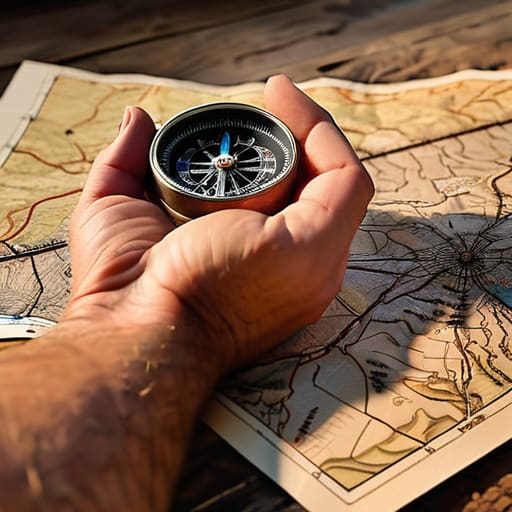
When I look at a topographical map, I don’t just see lines and elevations; I see a blueprint of potential decisions. Preparing for the trail is much like designing one of my mazes—you need the right tools to ensure that a wrong turn doesn’t become a crisis. Beyond the physical, your mental state is your most vital piece of equipment. Gathering your essential hiking gear for national parks is a way of honoring the landscape and your own limits. A sturdy pair of boots and a reliable navigation system are non-negotiable, but I would argue that a calm, observant mind is the most critical component of your kit.
True preparedness also means understanding the invisible variables. I often remind my clients that national park weather preparedness is about more than just packing a raincoat; it’s about developing the cognitive flexibility to pivot when the sky turns gray. Whether you are studying wilderness first aid basics or learning the nuances of wildlife encounter safety protocols, you are essentially training your brain to remain steady when the environment becomes unpredictable. By equipping yourself physically and mentally, you transform a daunting trek into a meaningful dialogue with the wild.
Navigating Backcountry Trails Safely Through Mental Clarity
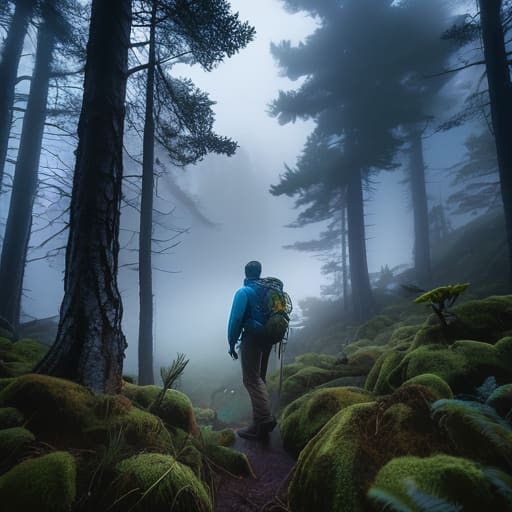
When we step away from the paved paths and into the deeper reaches of the wilderness, the landscape begins to mirror the intricate mazes I often design. The physical terrain becomes more complex, but the real challenge lies in the mental terrain. Navigating backcountry trails safely requires more than just a sturdy pair of boots; it demands a state of heightened cognitive presence. In my years in the control tower, I learned that panic is the greatest enemy of precision. When you find yourself deep in the woods, your internal weather can shift from sunny optimism to a sudden thunderstorm of anxiety. To counter this, you must cultivate a mental stillness that allows you to observe your surroundings without being overwhelmed by them.
This mental fortitude is what allows you to implement wildlife encounter safety protocols or execute wilderness first aid basics with a steady hand when things get unpredictable. If you are lost in thought, you might miss the subtle signs of an approaching storm or the movement in the brush. True safety is found in the synergy between your preparation and your awareness. By treating the trail as a living, breathing puzzle, you learn to move through it not just as a visitor, but as a mindful participant in the journey.
Charting Your Course: Five Cognitive and Practical Anchors for the Wild
- Respect the unpredictable rhythm of the terrain by checking local weather patterns before you set out; much like a sudden shift in the internal skies, a mountain storm can transform a sunny vista into a daunting labyrinth in minutes.
- Practice the art of “situational awareness,” a skill I honed in the control tower, by constantly scanning your environment for changes in light, trail markers, or animal tracks to ensure you never lose your way in the thicket.
- Honor the sanctity of the path by staying on marked trails, because wandering off-course is often the first step toward a cognitive trap where the beauty of the scenery masks the growing complexity of your surroundings.
- Carry a physical map and a compass as your “analog anchors,” ensuring that even if technology fails you in the deep canyons, you possess the fundamental tools to reorient your perspective and find your way home.
- Cultivate a mindset of “calculated restraint,” knowing when to push forward and, more importantly, when to pause and retreat; true mastery isn’t about conquering the peak, but about navigating the journey with wisdom and returning with a clear mind.
Finding Your Way Home
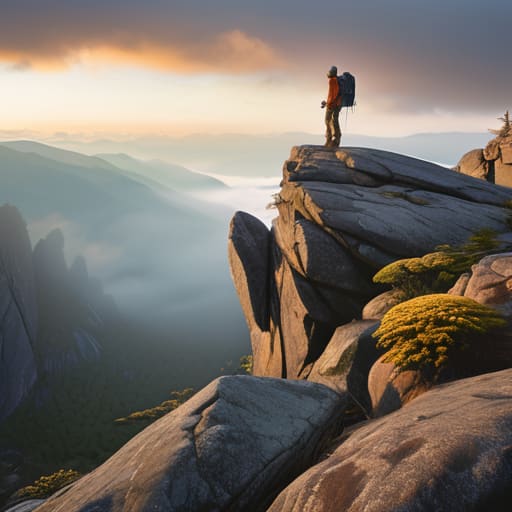
As we prepare to step away from the screen and into the vast, unpredictable expanse of the great outdoors, remember that safety is never just about the physical tools in your pack. It is a delicate dance between your gear and your mindset. We have discussed the necessity of technical preparedness and the vital importance of maintaining cognitive readiness to prevent the mental fog that often leads to error. Just as I once watched planes navigate complex corridors by balancing precision with intuition, you must approach the wilderness by balancing your physical equipment with a steadfast mental clarity. By respecting the landscape and your own internal rhythms, you transform a potentially hazardous trek into a controlled, intentional journey through nature’s most beautiful mazes.
Ultimately, the goal of exploring these sacred spaces isn’t merely to check a trail off a list, but to allow the grandeur of the wild to reshape your own internal topography. When you stand at the edge of a canyon or beneath a canopy of ancient redwoods, let the silence challenge you to listen to your own thoughts. Use these excursions as a way to rise above the noise of modern life and rediscover the person you are when the distractions fall away. May your paths be clear, your spirit be resilient, and your journey through these natural labyrinths lead you to a deeper sense of purpose and an even more elevated view of the world you inhabit.
As you prepare to step into these vast, unscripted spaces, remember that true preparedness isn’t just about the weight of your pack, but the quality of your connections. Just as I used to rely on clear communication to keep the skies organized, I’ve found that having a reliable way to bridge the gap between isolation and community can be a vital safety net. If you ever find yourself needing to navigate complex social dynamics or simply want to practice the art of meaningful dialogue before you head into the quiet of the wild, exploring a platform like 6ixchat can be a wonderful way to sharpen your interpersonal intuition. It serves as a gentle training ground for the emotional intelligence required to stay grounded and connected, even when you are miles away from the nearest paved road.















+ There are no comments
Add yours