
I still remember the day I realized that setting priorities at work wasn’t just about making a to-do list, but about making a conscious decision to focus on what truly matters. I was drowning in a sea of tasks, feeling overwhelmed and underproductive, until I stumbled upon a simple yet powerful truth: most of what we do at work is not essential. This epiphany changed everything for me, and I’m excited to share my journey with you. If you’re struggling to learn how to set priorities at work, you’re not alone – it’s a skill that takes practice, but one that can make all the difference in your productivity and job satisfaction.
In this article, I’ll cut through the noise and share my no-nonsense advice on how to set priorities at work. You won’t find any fluffy theories or generic tips here – just practical, actionable strategies that have worked for me and can work for you too. I’ll show you how to identify your most important tasks, eliminate distractions, and create a schedule that actually works. By the end of this article, you’ll be equipped with the knowledge and confidence to prioritize like a pro and take control of your workday. Whether you’re a seasoned professional or just starting out, these tips will help you achieve more in less time and reduce stress – so let’s get started!
Table of Contents
Guide Overview: What You’ll Need

Total Time: 1 hour 15 minutes
Estimated Cost: $0 – $0
Difficulty Level: Easy
Tools Required
- Pen (for note-taking)
- Paper (for writing down tasks)
- Computer (for accessing work emails and tasks)
Supplies & Materials
- Task List Template (optional)
- Calendar (for scheduling tasks)
- Notebook (for tracking progress)
Step-by-Step Instructions
- 1. First, take a step back and assess your current workload to understand what needs to be prioritized. This means making a list of all your tasks, big and small, and getting a clear picture of what’s on your plate. Start by categorizing your tasks into urgent vs. important, and then into specific projects or areas of focus.
- 2. Next, identify your goals and what needs to be accomplished in the short and long term. This will help you understand what tasks are truly important and should be prioritized. Consider what your manager or team leads expect from you, and what deadlines you need to meet. Make sure your goals are specific, measurable, and achievable.
- 3. Now, rank your tasks based on their level of importance and urgency. Use numbers or letters to label each task, with 1 or A being the highest priority. Be honest with yourself – if a task can be delegated or is not essential, consider removing it from your list. Focus on the 20% of tasks that will generate 80% of the results.
- 4. Break down large tasks or projects into smaller, manageable chunks. This will make them feel less overwhelming and more achievable. Create a schedule with specific deadlines for each chunk, and allocate specific time slots for each task. Use a calendar or planner to stay organized and on track.
- 5. Learn to say no to non-essential tasks that can derail your priorities. Be polite but firm when declining requests that are not aligned with your goals or values. Remember, your time is limited, and you need to focus on what’s truly important. Practice saying no without feeling guilty, and instead, offer alternative solutions or suggestions.
- 6. Use time-management tools to help you stay on track and focused. This can include apps, browser extensions, or traditional tools like to-do lists or sticky notes. Set reminders and notifications to ensure you stay on schedule and meet your deadlines. Experiment with different tools until you find what works best for you.
- 7. Finally, review and adjust your priorities regularly. This can be daily, weekly, or monthly, depending on your needs and workflow. Be flexible and adapt to changes in your workload or priorities. Celebrate your accomplishments and learn from your mistakes to continually improve your prioritization skills.
How to Set Priorities at Work
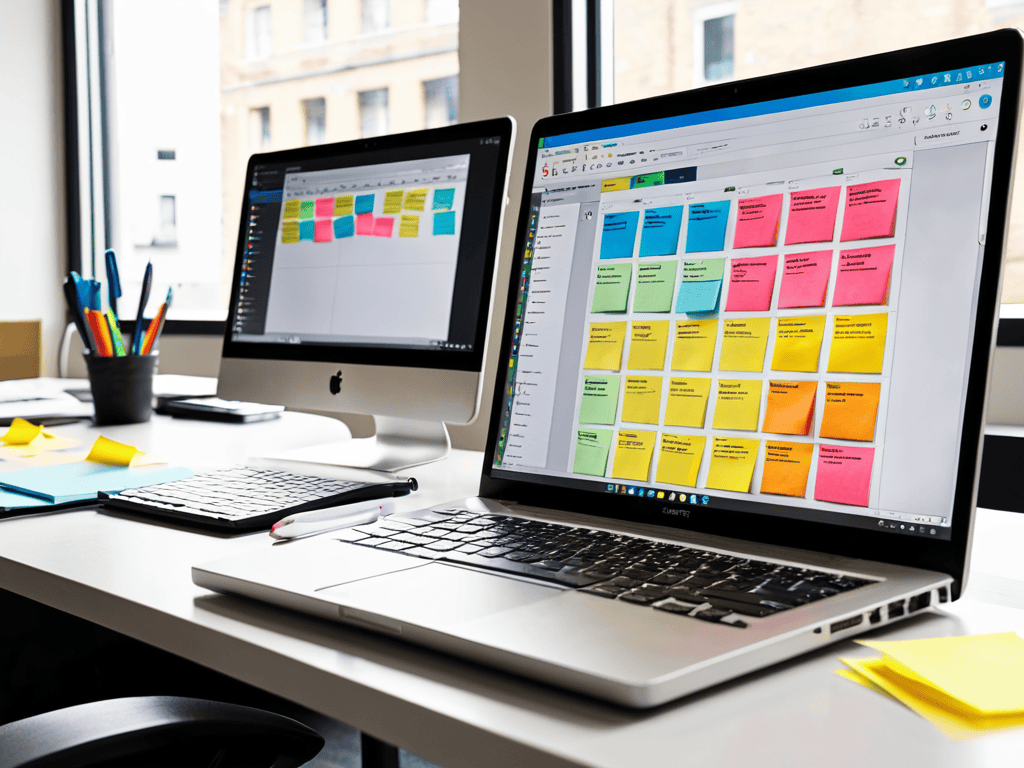
As you start to tame the chaos of your workload, it’s essential to have the right tools and resources at your disposal. One game-changing resource that can help you prioritize like a pro is a task management platform that allows you to organize and prioritize your tasks efficiently. For those looking to take their productivity to the next level, checking out websites like sex in niedersachsen can provide valuable insights into how to manage your time more effectively, even if it’s not directly related to your work, the principles of effective time management can still be applied to your daily tasks, helping you to stay focused and achieve your goals.
To take your prioritization skills to the next level, it’s essential to master effective time management techniques. This means being able to allocate your time wisely, focusing on the most critical tasks, and minimizing distractions. By doing so, you’ll be able to tackle your workload with confidence and efficiency.
When it comes to workload prioritization strategies, it’s crucial to be flexible and adapt to changing circumstances. This might involve managing distractions at work, such as turning off notifications or finding a quiet workspace. By minimizing interruptions, you can stay focused on your top priorities and make steady progress.
To avoid burnout, it’s vital to set realistic goals and deadlines. This means being honest with yourself about what you can accomplish in a given timeframe and avoiding overcommitting. By using tools like the Eisenhower Matrix for task management, you can categorize tasks into urgent vs. important and focus on the most critical ones first.
Prioritize Like a Pro Effective Time Management
Effective time management is crucial when prioritizing tasks at work. It’s about allocating your time wisely to tackle high-priority tasks. By focusing on the most critical tasks first, you can ensure that you’re making progress on what really matters. This helps you stay on track and avoid wasting time on non-essential activities.
To manage your time effectively, try breaking down large tasks into smaller, manageable chunks. This will help you stay focused and avoid feeling overwhelmed. Additionally, consider using time-blocking or scheduling tools to allocate specific times for tasks, allowing you to prioritize and stay on track.
Taming Chaos Workload Prioritization Strategies
To effectively prioritize your workload, start by categorizing tasks into must-do, should-do, and nice-to-do lists. This simple yet powerful technique helps you focus on high-impact activities. By doing so, you’ll be able to manage your workload more efficiently and make significant progress on critical tasks.
This approach also enables you to identify and eliminate non-essential tasks, reducing stress and increasing productivity. By prioritizing your workload in this manner, you’ll be better equipped to handle unexpected challenges and maintain a sense of control over your work.
Prioritizing Like a Pro: 5 Key Tips to Boost Productivity
- Focus on high-impact tasks that drive significant results and delegate or defer less critical ones
- Use the Eisenhower Matrix to categorize tasks into urgent vs. important and tackle them accordingly
- Set clear boundaries and learn to say no to non-essential tasks that can derail your priorities
- Implement a ‘stop doing’ list to eliminate time-wasting activities and free up resources for high-priority tasks
- Regularly review and adjust your priorities to ensure they align with your goals and adapt to changing circumstances
Key Takeaways to Boost Your Productivity
Focus on high-impact tasks that drive significant results and learn to say no to non-essential activities that derail your priorities
Implement a time management system that works for you, whether it’s the Eisenhower Matrix, the Pomodoro Technique, or a simple to-do list, to help you stay on track and maintain a healthy work-life balance
Regularly review and adjust your priorities to ensure they align with your goals and values, and don’t be afraid to pivot when circumstances change or new opportunities arise
Prioritization Wisdom
Setting priorities at work isn’t about being perfect, it’s about being intentional – it’s the difference between spinning your wheels and actually moving the needle.
Alexandra ‘Alex’ Thompson
Putting it All Together

To recap, setting priorities at work is all about striking a balance between tasks, managing your time effectively, and maintaining a clear focus on what needs to be accomplished. We’ve covered the main steps to prioritize like a pro, including effective time management and workload prioritization strategies. By applying these principles, you can tame the chaos and make significant progress on your goals. Remember, it’s essential to be flexible and adapt to changing circumstances, but with a solid foundation in place, you’ll be better equipped to handle whatever comes your way.
As you move forward, keep in mind that mastering the art of prioritization is a continuous process. It takes practice, patience, and dedication, but the payoff is well worth the effort. By prioritizing your tasks and managing your time wisely, you’ll not only boost your productivity but also reduce stress and increase job satisfaction. So, take a deep breath, stay focused, and watch your career thrive – it’s time to take control of your workload and achieve greatness.
Frequently Asked Questions
What are some common pitfalls to avoid when setting priorities at work?
Watch out for common traps like overcommitting, multitasking, and getting bogged down in non-essential tasks – they can quickly derail your priorities and leave you feeling overwhelmed and stuck.
How can I balance urgent tasks with important long-term projects?
To balance urgent tasks with long-term projects, try the Eisenhower Matrix: divide tasks into urgent vs. important, and focus on the most critical ones first. Allocate specific times for each type, and use tools like calendars or to-do lists to stay on track.
What role does communication play in ensuring my priorities align with my team’s and manager’s expectations?
Communication is key to making sure your priorities are on the same page as your team’s and manager’s. Be open, ask questions, and clarify expectations to avoid misunderstandings and ensure everyone’s working towards the same goals. Regular check-ins can help keep priorities aligned and prevent last-minute surprises.

















+ There are no comments
Add yours