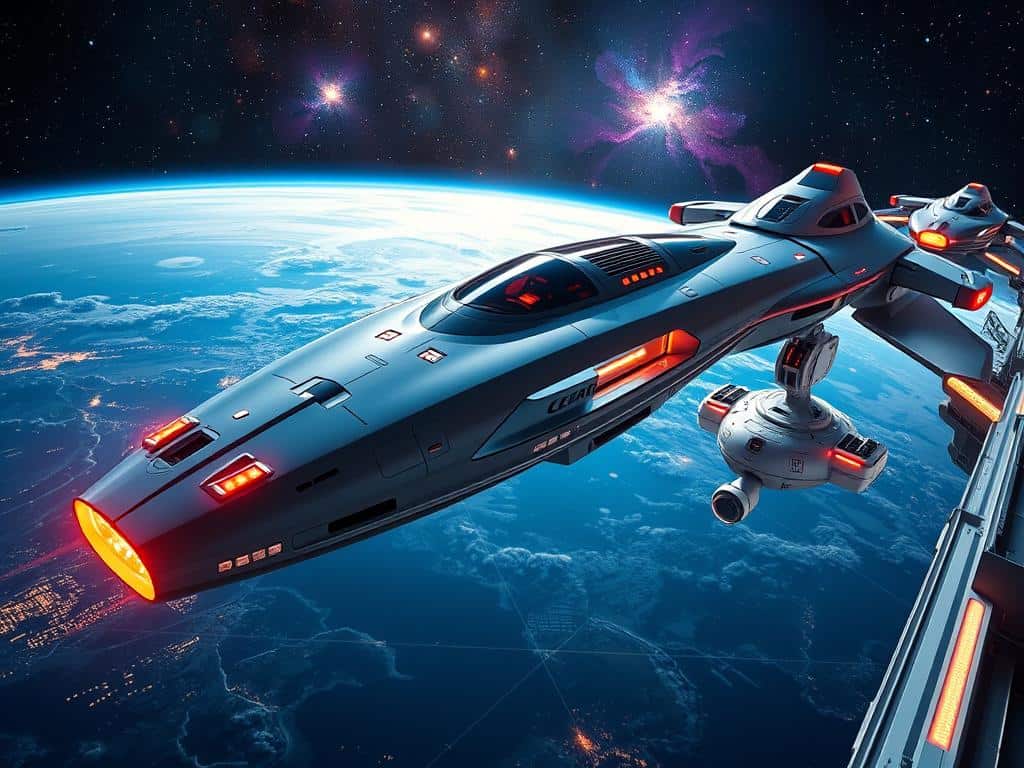
Did you know about 100 million adults go on soft adventure vacations each year? Space tourism is now a thrilling and futuristic travel option. It’s moving from science fiction to reality, thanks to new tech and big investments.
Space trips could change how we see travel and adventure. Companies like SpaceX, Blue Origin, and Virgin Galactic are making it possible for people to go to space. Flights to space cost between $200,000 to $500,000, promising unforgettable experiences.
Exploring space tourism is key to understanding its impact on travel. The dream of going to the stars might soon be a reality. Let’s dive into this exciting new frontier together.
Key Takeaways
- Space tourism is rapidly transitioning from a fantasy to a feasible experience.
- Key players like SpaceX and Virgin Galactic are setting the stage for commercial space travel.
- Suborbital flights are currently priced between $200,000 and $500,000 per ticket.
- There is significant interest in space tourism, supported by the growing adventure tourism market.
- Technological advancements are key to making space trips safe and accessible.
- Potential experiences may extend beyond mere travel, including innovative memorial services.
The Rise of Space Tourism
Space tourism has moved from science fiction to a real industry. It’s valued at about $598 million in 2021. Just a few decades ago, going to space was seen as a dream. Now, many companies are working to make it a reality.
From Sci-Fi to Reality
Thanks to innovation, space tourism is becoming a reality. Companies like SpaceX, Blue Origin, and Virgin Galactic are leading the way. SpaceX aims for orbital tourism, while Blue Origin focuses on suborbital flights. Virgin Galactic offers microgravity experiences.
Key Players in the Industry
In 2021, thirteen commercial spaceflight missions took place. North America made up 38.3% of the market. The U.S. space tourism market was valued at $191.6 million, expected to grow fast.
Overview of Current Offerings
There are many experiences available, from affordable to very expensive. Virgin Galactic offers suborbital flights for $450,000. SpaceX’s orbital flights cost around $50 million. There are also cheaper options, like tours of Spaceport America for under $50.
Technological Advances Driving Space Trips
Technology is changing space tourism fast. Now, we can travel to space more easily and often. Thanks to reusable rockets, space travel is cheaper and more frequent. New ways to move through space and better safety features are making it safer for everyone.
Rocket Reusability and Cost Reduction
SpaceX has changed the game with reusable rockets. The Falcon 9 can launch many times, cutting costs. Now, a trip to the International Space Station costs about $50 million. As reusable rockets become common, space travel will get even cheaper, welcoming more people to space.
New Propulsion Technologies
New ways to move in space are exciting. Companies are working on better engines and fuels. This means space travel could be cleaner and more efficient, meeting our need for sustainability.
Improved Safety Measures
Safety is key in space travel. Modern spaceships have top-notch safety features. Companies also train travelers on what to do in emergencies. This training boosts confidence in space travel, making it safer for everyone.
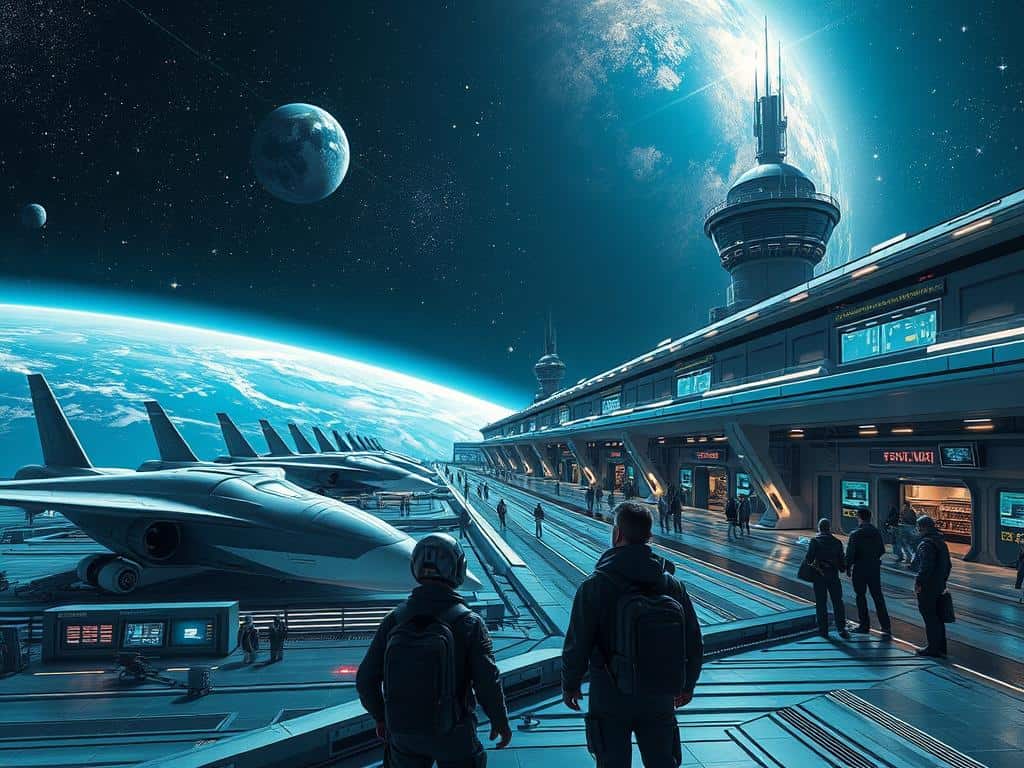
Space Tourism: Is It the Future of Travel?
Space tourism offers a new kind of adventure in space. Companies like Blue Origin and Virgin Galactic provide suborbital flights. These flights give passengers a few minutes of weightlessness and stunning views of Earth from space.
As someone interested in space tourism, it’s fascinating to think about its impact on travel. It might change how we see travel, moving beyond just exploring Earth. Instead, we could explore the universe too.
Space tourism isn’t just for thrill-seekers. It could change travel and tourism in big ways. It might lead to new partnerships and unique travel packages that include space and Earth.
But, making space tourism mainstream is tough. It faces high costs, needs clear rules, and needs strong support systems. As more people want to experience space, solving these problems is key. It’s important to make space travel safe and accessible for everyone.
Conclusion
Space tourism is changing how we see travel, marking a big shift. As tech advances, space tourism will open up new ways to explore. Soon, thousands might travel to space, starting a new era of human adventure.
Looking back, space travel has moved from science fiction to real experiences. Companies like SpaceX and Blue Origin are making it safer and cheaper. With prices dropping, half a million people could explore space each year, changing travel forever.
But, there are hurdles to overcome. We need to think about cost, environmental effects, and safety. Yet, tech, dreams, and our curiosity will keep pushing this journey forward. It invites us all to join in exploring beyond Earth.

















+ There are no comments
Add yours